Cea Weaver NYC: tenant crackdown, landlords under fire
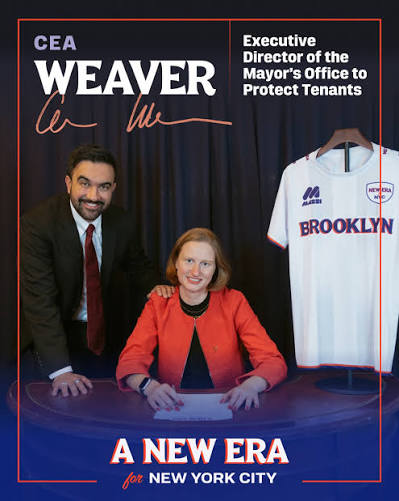
When tenants speak out, landlords threaten eviction. That ends now. Today we have started a city-wide action against fare rigging. Today we will discuss about Cea Weaver NYC: tenant crackdown, landlords under fire
Cea Weaver NYC: tenant crackdown, landlords under fire
New York City’s housing system is entering one of its most aggressive and controversial phases in decades. With the appointment of Cea Weaver as Director of the Mayor’s Office to Protect Tenants, the city has launched a sweeping tenant-first crackdown that is sending shockwaves through the real-estate industry. Landlords are facing heightened scrutiny, renters are being encouraged to speak out, and housing policy has become a defining political battleground in America’s largest city.
This moment marks a turning point for NYC’s rental market—one driven by ideology, enforcement, and a redefinition of housing itself.
Who Is Cea Weaver?

Cea Weaver is a longtime tenant organizer, housing activist, and policy strategist known for her deep involvement in tenant-rights movements across New York State. Before entering city government, she played a central role in grassroots coalitions that pushed for expanded rent regulations and eviction protections. Her advocacy helped influence major tenant-protection legislation, positioning her as one of the most prominent figures in New York’s housing justice movement.
Educated in urban planning and public policy, Weaver has consistently argued that housing should not be treated purely as a commodity. Instead, she frames it as a social necessity that must be protected through strong government intervention. Her background in organizing rather than real-estate finance is a defining feature of her leadership style—and a major reason her appointment has drawn such intense reactions.
Her elevation to a powerful city post represents more than a staffing change. It signals a philosophical shift in how New York City intends to regulate landlords, protect renters, and address affordability.
NYC’s Housing Crisis: Years in the Making
The housing crisis in New York City did not emerge overnight. For years, residents have struggled with:
Rapidly rising rents
Shrinking affordable housing stock
Broker fees and upfront costs
Aging buildings with unresolved safety violations
Evictions tied to redevelopment and speculation
For many renters, wages have failed to keep pace with housing costs, forcing households to double up, relocate far from work, or leave the city altogether. Tenant advocates argue that lax enforcement and loopholes allowed some landlords to prioritize profits over habitability.
On the other side, landlords have warned that increasing regulations, rent stabilization, and compliance costs have strained finances—especially for smaller property owners. This tension has created a deeply polarized housing debate that now defines city politics.
The Tenant Crackdown Begins
One of the earliest actions under the new administration has been the launch of citywide tenant hearings focused on exposing abusive rental practices. These hearings invite renters from all five boroughs to testify publicly about landlord misconduct, unsafe living conditions, hidden charges, and harassment.
Under Cea Weaver’s leadership, multiple city agencies are coordinating enforcement efforts in ways not previously seen. Housing, building safety, consumer protection, and tenant advocacy offices are now aligned around a shared goal: identifying and penalizing bad-actor landlords.
According to city officials, these hearings are not symbolic. They are intended to:
Identify repeat offenders
Speed up enforcement and penalties
Guide future housing legislation
Restore trust between renters and city government
For tenants who have long felt ignored, the message is clear: the city wants to hear them—and act.
Why Landlords Are Under Fire
The administration argues that too many landlords have benefited from weak oversight while tenants endured unsafe or exploitative conditions. Complaints commonly raised include:
Failure to make timely repairs
Mold, leaks, and structural hazards
Illegal rent increases
Retaliation against tenants who report violations
Excessive or misleading fees
Cea Weaver has stated that housing providers who ignore the law should no longer expect leniency. The new approach emphasizes accountability, transparency, and consequences.
City officials insist that responsible landlords have nothing to fear. The focus, they say, is on chronic violators who treat fines as a cost of doing business rather than a deterrent.
Landlord Pushback and Industry Alarm
Landlord associations and real-estate groups have reacted strongly to the crackdown. Many argue that the administration is unfairly painting all property owners as villains while ignoring economic realities.
Key concerns raised by landlords include:
Rising maintenance and labor costs
Difficulty financing building upgrades
Reduced incentives to invest in rental housing
Fear of increased litigation and penalties
Smaller landlords, in particular, warn that aggressive enforcement could force them to sell or exit the market—potentially reducing housing supply and worsening affordability.
Some critics have gone further, accusing the administration of ideological hostility toward private property itself.
Controversy Around Ideology
Cea Weaver’s past statements and affiliations have become a flashpoint in public debate. Critics have resurfaced old social media posts and public remarks that they argue reflect radical views on homeownership, capitalism, and property rights.
Opponents claim her worldview undermines traditional notions of private ownership and could destabilize the housing market. Supporters counter that these attacks are exaggerated, politically motivated, and distract from the real issue: protecting tenants from abuse.
Regardless of interpretation, Weaver’s appointment has turned housing policy into a broader ideological struggle—one that extends far beyond building inspections and rent disputes.
Housing as a Human Right
At the core of Weaver’s philosophy is a belief that housing is a human right, not merely an investment vehicle. This perspective has gained traction globally, particularly in cities grappling with inequality and displacement.
From this viewpoint:
Stable housing is essential to public health
Market forces alone cannot ensure fairness
Government intervention is necessary to protect vulnerable populations
Tenant advocates argue that without strong rules, profit-driven systems inevitably marginalize low- and middle-income renters. Weaver’s supporters see her leadership as a long-overdue correction to decades of imbalance.
Potential Impact on NYC’s Housing Market
The long-term consequences of this tenant-first strategy remain uncertain, but several possible outcomes are emerging.
1. Stronger Compliance
Landlords may become more proactive in addressing violations, knowing enforcement is accelerating and coordination between agencies has improved.
2. Market Adjustment
Some property owners may exit the rental market or shift strategies, potentially affecting supply and pricing.
3. Policy Expansion
Tenant testimony may lead to new legislation addressing fees, evictions, habitability standards, and landlord transparency.
4. National Attention
New York City’s approach could influence housing debates in other major U.S. cities facing similar affordability crises.
A City at a Crossroads
The clash between tenant protections and landlord rights is not new—but the stakes have never been higher. With Cea Weaver at the helm of tenant enforcement, New York City is testing how far government can go in reshaping the rental market.
For renters, this moment represents hope, visibility, and empowerment. For landlords, it represents uncertainty, scrutiny, and fear of overreach. For policymakers nationwide, it is a case study unfolding in real time.
Conclusion
Cea Weaver’s rise to a powerful housing role has ignited one of the most intense housing debates in modern New York City history. Her tenant-focused crackdown reflects a bold attempt to redefine the balance of power in a city long plagued by inequality and affordability challenges.
Whether this approach leads to safer housing, fairer rents, and long-term stability—or unintended economic consequences—remains to be seen. What is certain is that New York City’s housing future is being reshaped, and Cea Weaver stands at the center of that transformation.
How useful was this post?
Click on a star to rate it!
Average rating 0 / 5. Vote count: 0
No votes so far! Be the first to rate this post.
About the Author

usa5911.com
Administrator
Hi, I’m Gurdeep Singh, a professional content writer from India with over 3 years of experience in the field. I specialize in covering U.S. politics, delivering timely and engaging content tailored specifically for an American audience. Along with my dedicated team, we track and report on all the latest political trends, news, and in-depth analysis shaping the United States today. Our goal is to provide clear, factual, and compelling content that keeps readers informed and engaged with the ever-changing political landscape.