Capitol Shock: Congress stalls key vote, pressure rising
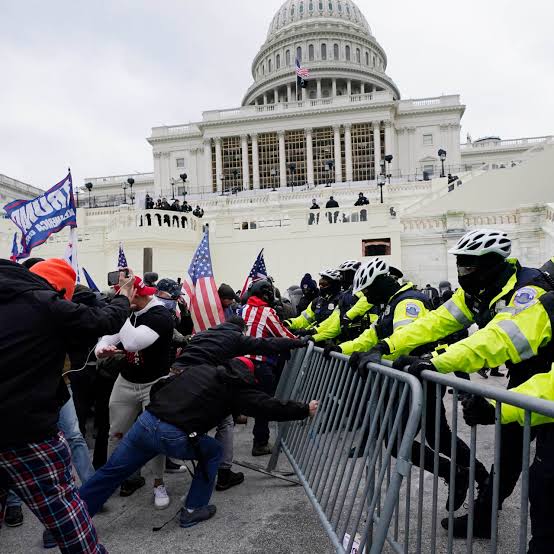
President Trump suggests marching to the Capitol, assuring his audience that he will join them to demand Congress. Today we will discuss about Capitol Shock: Congress stalls key vote, pressure rising
Capitol Shock: Congress stalls key vote, pressure rising
In the final weeks of 2025, the U.S. Capitol became the epicenter of a political confrontation that exposed deep divisions in federal governance. A crucial vote on extending enhanced health care subsidies stalled, sparking nationwide concern and intense political pressure. What seemed like a routine legislative process quickly escalated into a high-stakes struggle with consequences for millions of Americans.
At the center of the crisis is the fight over the future of Affordable Care Act (ACA) premium tax credits, which currently help about 24 million Americans afford their health insurance. These enhanced subsidies are set to expire on December 31, 2025, and Congress remains gridlocked, unable to move forward on legislation needed to protect people from steep increases in health care costs.
What Is Stalled in Congress?
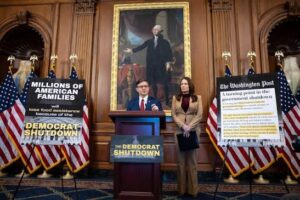
The stalled key vote concerns whether Congress should extend the enhanced ACA subsidies created during the pandemic to reduce insurance premiums for low- and middle-income families. Two competing bills have emerged:
A Democratic plan to extend the subsidies for three more years without restricting eligibility.
A Republican proposal to allow current subsidies to expire and shift support toward health savings accounts, with new limits and income caps.
Neither bill has the sixty votes required to break a Senate filibuster, leaving the issue frozen as the deadline approaches. The House faces similar divisions, with leadership struggling to unite its members around a single approach.
The Stakes: Millions Could Face Higher Costs
If Congress fails to act by the deadline, enhanced subsidies will lapse, instantly increasing premiums for millions of families. Analysts estimate that without the subsidies:
Premiums could double for many ACA enrollees.
More than two million people could become uninsured in 2026.
Middle-income families would face significantly higher health care expenses.
State budgets may be strained as safety-net programs absorb pressure from newly uninsured residents.
The looming expiration has triggered widespread anxiety, especially in states that rely heavily on ACA coverage. Families, advocacy groups, and health care providers have flooded congressional offices with pleas for action.
A Crisis on Top of a Crisis: The Shutdown Aftermath
This legislative paralysis follows the long federal government shutdown of 2025, which lasted 43 days—one of the longest in modern U.S. history. The shutdown itself stemmed from disputes over health care funding and ACA subsidies. Even though the government eventually reopened, the underlying disagreement was left unresolved.
Now, Congress is facing the consequences of postponing hard decisions. With time running out, the political atmosphere resembles a pressure cooker, with both parties accusing each other of creating the current crisis.
Political Positions: Who Is Pushing What?
Republican Strategy
Republican leaders argue that simply extending the subsidies is unsustainable and too costly. They insist on redesigning the system rather than continuing temporary federal support. Some Republicans support creating health savings accounts as a replacement, while others oppose any federal subsidy expansion on ideological grounds.
However, cracks are visible within the party. Several moderate Republicans have publicly urged for at least a temporary extension, warning that allowing subsidies to expire could hurt constituents and create political backlash.
Democratic Approach
Democrats, on the other hand, maintain that the enhanced subsidies are essential to keeping health care affordable. They argue that removing them would harm millions of working families. Democrats also reject provisions in the Republican plan that would restrict how subsidies or health savings funds can be used.
Some Democrats have also attempted procedural maneuvers, such as discharge petitions, to force a vote when House leadership delays action.
Bipartisan Voices Seeking Compromise
Several lawmakers from both parties are exploring middle-ground solutions. These include:
A two-year extension paired with modest reforms.
Temporary measures to protect low-income enrollees.
Fiscal guardrails to appeal to deficit-conscious lawmakers.
However, this centrist bloc remains too small to overcome entrenched ideological divisions—at least for now.
Why This Deadlock Matters
This gridlock has far-reaching impacts beyond partisan politics.
Economic Consequences
Uncertainty in insurance markets could cause insurers to raise premiums preemptively.
Higher medical debt among households already struggling with rising living costs.
Reduced competition in health exchanges, especially in rural regions.
Increased state spending, as Medicaid programs may face more enrollment pressure.
Public Frustration and Voter Sentiment
Polls show that a large majority of Americans—across party lines—support extending subsidies at least for the short term. As families brace for higher premiums, lawmakers are hearing from constituents who fear they may lose coverage or face bills they cannot afford.
This issue threatens to reshape campaign strategies for the 2026 midterm elections, especially in swing districts where ACA enrollment is high.
Institutional and Constitutional Concerns
The stalemate has revived debates about the structure of U.S. governance. Critics argue that the need for supermajority votes in the Senate allows a small group of lawmakers to block policies supported by most Americans. Others defend the procedure as a safeguard against rushed or partisan legislation.
Regardless of viewpoint, the inability of Congress to act on essential policy matters raises questions about legislative functionality and public trust in government.
Possible Paths Forward
1. Last-Minute Bipartisan Deal
A compromise could emerge in the final days of the year, possibly involving:
Short-term extensions of subsidies
Limited reforms to satisfy both sides
Temporary protections for specific populations
Fiscal offsets to address cost concerns
However, such deals typically require sustained negotiations, and the clock is ticking.
2. Temporary Extensions
A short-term extension could buy time for broader health care reform discussions in 2026. This path may attract moderates but faces resistance from ideological members of both parties.
3. Total Expiration of Subsidies
If Congress does nothing, subsidies will expire. The resulting premium increases and loss of coverage could provoke political backlash, potentially affecting elections and prompting emergency action in early 2026.
4. Executive or Judicial Actions
Although limited in scope, the executive branch may explore administrative adjustments to soften the impact. Legal challenges or emergency rulemaking could also emerge, though these actions cannot fully replace Congressional action.
Why Americans Are Watching Closely
For millions of families, this is not an abstract policy debate—it’s a matter of financial survival. Rising premiums, reduced access to care, and greater economic strain could push many into debt or force them to go uninsured.
Small business owners who rely on ACA exchanges for employee coverage are also watching carefully. Many worry that sudden premium hikes could make it difficult to maintain workforce benefits.
The political implications are equally significant. Lawmakers who fail to address rising health care costs risk facing voter anger at the ballot box.
Conclusion
The Capitol Shock gripping Congress near the end of 2025 is a stark reminder of how fragile legislative progress can be. As the health care subsidy deadline looms, partisan divisions have frozen essential decision-making, leaving millions of Americans uncertain about their financial and medical futures.
The next days will determine whether Congress can overcome entrenched political lines to pass meaningful action—or whether the deadlock will carry into 2026, shaping elections, household budgets, and the national debate over health care.
One thing is clear: the pressure on lawmakers is rising, and the nation is watching. The outcome of this standoff will influence not just health policy but also public trust in the government’s ability to address urgent national needs.
How useful was this post?
Click on a star to rate it!
Average rating 0 / 5. Vote count: 0
No votes so far! Be the first to rate this post.
About the Author

usa5911.com
Administrator
Hi, I’m Gurdeep Singh, a professional content writer from India with over 3 years of experience in the field. I specialize in covering U.S. politics, delivering timely and engaging content tailored specifically for an American audience. Along with my dedicated team, we track and report on all the latest political trends, news, and in-depth analysis shaping the United States today. Our goal is to provide clear, factual, and compelling content that keeps readers informed and engaged with the ever-changing political landscape.