Boris Johnson Ukraine Push : Deploy Troops Now, Putin Pressure, Policy Split
Introduction
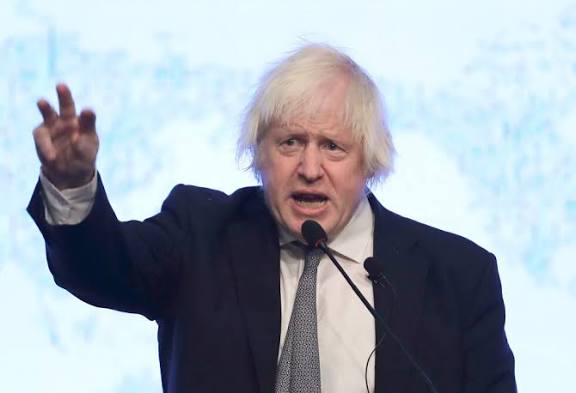
As the war in Ukraine enters its fifth year, former UK Prime Minister Boris Johnson has reignited a fierce debate over Western involvement by calling for the immediate deployment of non-combat troops to Ukraine — a proposal that sharply deviates from existing allied plans and has drawn both praise and intense criticism.
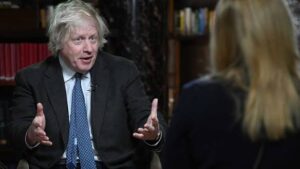
In a recent interview with the BBC, Johnson argued that sending **British and allied forces now — even to peaceful areas — could “flip a switch” in Russian President Vladimir Putin’s thinking, demonstrating unequivocal Western solidarity with Kyiv and raising the strategic cost for Moscow.
This article explores Johnson’s proposal, the political and strategic pressure from Putin, the emerging policy split in the West, and the global repercussions of a potential troop deployment.
1. Boris Johnson’s Proposal: A Shift in Strategy
Background of the Call
Johnson’s argument rests on a simple premise: if Western nations are prepared to send troops after a ceasefire, then they should be willing to do so before one, especially in non-combat roles. By placing troops in peaceful regions, the former prime minister insists this would send a strong message of support for Ukraine’s sovereignty and put psychological pressure on Putin.
He questioned the logic of delaying until a Russia-dictated ceasefire, saying that would effectively place Russia in control of when and how foreign troops enter the country.
A Political, Not Military Argument
Importantly, Johnson stressed that his call was not about combat deployment, but rather a political signal aimed at demonstrating earnest Western commitment to Ukraine’s independence and territorial integrity.
This suggestion would require Western leaders to rethink longstanding assumptions about troop deployment only after agreed peace terms.
2. Why Johnson Says Now — Not After a Ceasefire
Perceived Weakness Emboldening Putin
Johnson has repeatedly blamed Western hesitancy during past crises — including the annexation of Crimea in 2014 and the Syrian conflict — for emboldening Putin. He argues that too much caution diminishes strategic credibility and allows Russia to interpret Western support as lukewarm or contingent.
During the BBC interview, he drew parallels between past Western responses and the escalation of the Ukraine conflict, suggesting that a bolder strategy now could deter further Russian aggression.
3. Policy Split Among Western Leaders
Current Allied Plan vs. Johnson’s Position
At present, the UK and its allies are developing plans for a “coalition of the willing” that could deploy peacekeeping troops only after a negotiated ceasefire. This multilateral force is intended to help stabilize Ukraine once hostilities end.
In contrast, Johnson’s remarks break from this cautious approach by advocating immediate deployment — albeit in non-combat roles — to bolster political support and deter Putin.
Defence Ministry Response
In response to Johnson’s comments, the UK Ministry of Defence reiterated that its plans remain focused on post-ceasefire deployment, emphasizing that British and allied troops would participate in a multinational peacekeeping force under clear security guarantees.
4. Putin’s Pressure and International Reaction
Putin’s Stance on Foreign Troops
Russian officials have been unequivocal: any foreign troops in Ukraine are considered a provocation and would be legitimate targets, according to President Putin’s remarks on peacekeeping troop offers last September.
This position illustrates the risk calculation Western governments must make if considering Johnson’s proposal — deployment could escalate tensions and provoke a retaliatory response.
Global Reaction
Johnson’s call has generated mixed international reactions. Supporters argue that a visible Western presence could strengthen Ukraine’s morale and strategic position. Critics, however, warn that moving troops into a conflict zone without a ceasefire could unnecessarily escalate the situation or undermine diplomatic efforts.
5. Implications for NATO and European Security
A Test for NATO Unity
If adopted, Johnson’s proposal could test the unity and strategic consensus within NATO. While all member states broadly support Ukraine, differences remain over the extent and timing of military involvement. A proactive deployment might strain relations among allies with more cautious approaches.
European Defence Dynamics
Johnson’s interview also underscores broader tensions in European defense policy — between those advocating for assertive deterrence measures and others urging restraint to avoid triggering wider conflict.
6. What This Means for Ukraine
Support for Kyiv
Johnson’s position aligns with Ukraine’s desire for concrete action rather than rhetorical support. Ukrainian leaders have repeatedly called for stronger and more timely assistance from Western allies.
Risk Assessment
However, the presence of foreign troops — even in non-combat roles — could be exploited by opponents of Ukraine both domestically and internationally. Putin may leverage such deployments to justify further military operations or to consolidate domestic support for his war.
7. Historical Context of Western Policy
Understanding the current debate requires a look at how Western policy has evolved since 2014, when Russia annexed Crimea. Many analysts argue that early hesitance and inconsistent messaging emboldened Putin’s strategic ambitions. Johnson’s remarks reflect this narrative, emphasizing the importance of decisive action.
FAQs
Q1: What exactly is Boris Johnson proposing for Ukraine?
A1: Johnson is calling for the UK and allied Western nations to immediately deploy non-combat troops to Ukraine in peaceful areas to demonstrate stronger political support for Kyiv and signal to Putin that the West stands united behind Ukraine.
Q2: How is this idea different from current Western policy?
A2: Existing plans among Western governments envision deploying peacekeeping or support troops only after a ceasefire agreement has been reached, not before. Johnson’s idea would accelerate that timeline.
Q3: Why might Russia see this as a provocation?
A3: Russian President Vladimir Putin has stated that any foreign troops in Ukraine would be considered legitimate military targets, making such a deployment highly provocative from Moscow’s perspective.
Q4: Are the troops Johnson talks about combat forces?
A4: No. Johnson specifically suggests that troops would serve in non-combat roles in peaceful regions, aiming to support stability and deter aggression without engaging in frontline fighting.
Q5: What are potential risks of deploying troops now?
A5: Major risks include heightened tensions with Russia, undermining of diplomatic efforts for ceasefire negotiations, and potential escalation into broader conflict. These factors contribute to the cautious stance many Western leaders currently maintain.
Conclusion
Former UK Prime Minister Boris Johnson’s call to deploy British and allied troops to Ukraine now — even in non-combat roles — represents a bold challenge to current Western strategy. Advocates see it as a clear sign of resolve that could reshape Putin’s calculations, while critics warn against escalation and the dangers of deviating from established diplomatic pathways.
Whether this proposal gains traction in Western capitals remains uncertain. What is clear is that the war in Ukraine continues to test the unity and strategic resolve of NATO, Europe, and their partners — with high stakes for global security.
I
How useful was this post?
Click on a star to rate it!
Average rating 0 / 5. Vote count: 0
No votes so far! Be the first to rate this post.
About the Author

usa5911.com
Administrator
Hi, I’m Gurdeep Singh, a professional content writer from India with over 3 years of experience in the field. I specialize in covering U.S. politics, delivering timely and engaging content tailored specifically for an American audience. Along with my dedicated team, we track and report on all the latest political trends, news, and in-depth analysis shaping the United States today. Our goal is to provide clear, factual, and compelling content that keeps readers informed and engaged with the ever-changing political landscape.