Bill Clinton: Legacy debate, Democrat strategy, political flashback storm
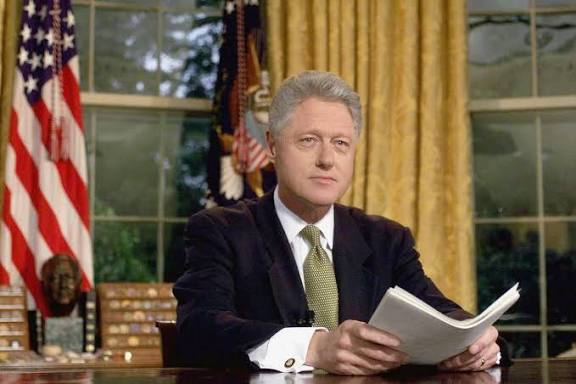
The presidency of Bill Clinton, the 42nd leader of the United States, remains a subject of intense analysis, debate, and reinterpretation more than two decades after he left office. From dramatic economic growth and historic budget surpluses to constitutional crises and globalisation controversies, Clinton’s legacy resists easy summarization. In contemporary politics, his tenure is often invoked — sometimes reverently, sometimes critically — by Democrats and Republicans alike as both a blueprint and cautionary tale for future political strategy.
At the heart of this debate are questions about what Democratic leadership should stand for in the 21st century, how to balance pragmatic governance with progressive values, and how a president’s personal controversies intersect with public achievements. This article explores those themes in depth — from the economic boom of the 1990s and globalisation debates to impeachment, welfare reform, crime policy, and fresh controversies linked to Jeffrey Epstein that have reignited public scrutiny in 2026.
1. Political and Historical Background

Bill Clinton took office in January 1993, following a period of economic uncertainty and political dissatisfaction in the United States. Clinton’s election signalled a desire among many voters for a fresh approach to governance, fusing economic pragmatism with expanded global engagement. Clinton, a self-described “New Democrat,” aimed to position his party toward the centre, seeking a blend of fiscal responsibility and social progressivism.
Over eight years in the White House, Clinton presided over one of the longest periods of peacetime economic expansion in United States history. Significant legislative accomplishments defined his two terms, even as political opposition and personal scandal contributed to enduring controversy.
2. Economic Legacy: Surplus, Jobs, and Globalisation
Arguably Clinton’s most widely recognised accomplishments centre on the economy. Under his leadership:
The federal budget deficit was transformed into a surplus.
The U.S. experienced substantial job creation — over 20 million jobs during his presidency.
Unemployment dropped to historically low levels by the end of his tenure.
Clinton championed economic policies that included fiscal discipline, targeted investments in education and technology, and expanded access to international markets. A cornerstone of this strategy was signing the North American Free Trade Agreement (NAFTA) in 1993, which aimed to deepen economic ties with Canada and Mexico. Supporters credit NAFTA with boosting trade and economic integration; critics argue it contributed to manufacturing job losses and consumer discontent, especially in the U.S. Midwest.
Decades later, debates over globalisation’s impact remain central to political discourse, with Clinton’s advocacy for trade liberalisation often cited — by allies and detractors — as a defining pivot in Democratic strategy and broader political realignment.
3. Social Policies: Welfare Reform, Crime, and Racial Initiatives
Clinton’s presidency was marked by ambitious policy changes in welfare, crime, and race relations — areas that have shaped public perceptions of his legacy.
Welfare Reform
The Personal Responsibility and Work Opportunity Reconciliation Act of 1996 famously overhauled the U.S. welfare system, imposing work requirements and time limits on benefits. This policy was seen as a break from traditional Democratic welfare philosophy, emphasising personal responsibility and decentralised control. Supporters claimed it encouraged greater self-sufficiency among recipients; critics argued it undermined essential social safety nets.
Crime Control Legislation
Clinton signed the Violent Crime Control and Law Enforcement Act of 1994, commonly called the 1994 Crime Bill. The bill sought to reduce crime via expanded funding for community policing, increased prison sentences for certain offenses, and the introduction of new safety provisions. While it coincided with a long period of declining crime rates, historians and activists later criticised elements of the legislation for contributing to mass incarceration, especially among communities of colour.
Race Relations Initiative
In 1997, Clinton launched the One America Initiative — an effort to foster national dialogue on race relations and community engagement. The initiative aimed to promote understanding and address racial and ethnic divisions through shared values and dialogue rather than polarization.
4. Foreign Policy and Peace Efforts
On the international stage, Clinton’s presidency intersected with shifting global dynamics after the end of the Cold War. Some key foreign policy contributions included:
Helping to broker peace agreements, such as the Good Friday Agreement in Northern Ireland.
Intervening in Kosovo and Bosnia to stop ethnic cleansing and end brutal conflicts.
Supporting strategic post-Cold War diplomacy and arms reduction.
While celebrated by many at the time, these achievements have seen renewed debate in light of recent events. In early 2026, revelations concerning former financier Jeffrey Epstein and previously undisclosed files have cast a shadow over historical reputations connected to Clinton and others. As of late February 2026, Clinton was called to testify before a House Oversight Committee inquiry into his past association with Epstein’s networks — marking the first time a former U.S. president testified under such circumstances. Clinton maintained he had no knowledge of Epstein’s criminal conduct and would have acted had he known; Democrats criticised the investigation as partisan.
This episode illustrates how political flashbacks can influence current views on past leadership, prompting renewed scrutiny of previously settled historical narratives.
5. Controversies and Scandals
No discussion of Clinton’s legacy would be complete without acknowledging the controversies that followed his presidency.
Impeachment and Personal Conduct
Clinton was impeached by the House of Representatives in 1998 over charges related to his conduct with White House intern Monica Lewinsky, though he was subsequently acquitted by the Senate. This episode contributed to a polarised public perception and fuelled narratives about character and presidential accountability.
Whitewater and Travel Office Investigations
Earlier controversies, including the Whitewater land deal and the White House travel office controversy (dubbed “Travelgate”), raised questions about ethics and transparency in the administration. While many investigations did not lead to criminal charges, they contributed to a climate of mistrust and partisan division.
Pardon Controversies
Clinton’s use of presidential pardon powers in his final hours in office was heavily criticised, especially high-profile cases such as the pardon of financier Marc Rich. Though investigations found no illegality, public perception of “Pardongate” lingered as a stain on his record.
6. Democratic Strategy and Long-Term Political Impact
One of Clinton’s most enduring influences has been the reshaping of the Democratic Party’s strategic approach. His brand of centrist pragmatism, often called the “Third Way,” prioritised coalition-building across ideological divides and emphasised market-friendly policies.
Clinton’s successes in the 1990s — notably economic growth and bipartisan legislative wins — became a model embraced by many Democratic strategists eager to appeal to moderate voters. However, this centrist approach also sparked internal debate within the party about priorities, with progressives sometimes arguing it ceded too much ground to conservative forces on issues such as trade, regulation, and social justice.
The tensions between centrist governance and progressive reform have continued into the 21st century, informing electoral strategy and shaping candidates’ platforms from presidential primaries to congressional races.
7. Legacy in Retrospect: Balancing Triumphs and Challenges
Bill Clinton’s presidency exemplifies the complexity of political leadership in a dynamic era. His tenure oversaw significant economic achievement, legislative innovation, and meaningful diplomatic efforts. However, it was not without its faults, and the controversies that accompanied — and occasionally overshadowed — his terms have become key parts of his historic profile.
Today’s political climate continues to wrestle with the echoes of Clinton’s policies and strategy. Whether viewed as a masterful pragmatist or a polarising figure, Clinton’s legacy remains central to discussions about Democratic identity, governance philosophy, and how historical narratives are continually reconstructed in light of new political flashpoints.
FAQs — Bill Clinton Legacy Debate, Democrat Strategy
Q1. What is Bill Clinton’s most significant presidential legacy?
A: Many historians credit Clinton with transforming a large federal deficit into a surplus and presiding over strong economic growth, although debates persist about the long-term effects of policies like trade agreements.
Q2. Why is Clinton’s presidency controversial?
A: Controversies include his impeachment, ethics investigations (e.g., Whitewater), pardon decisions, and recent scrutiny related to his association with Jeffrey Epstein.
Q3. How did Clinton reshape Democratic political strategy?
A: Clinton’s centrist “Third Way” strategy emphasised bipartisan cooperation and economic pragmatism, influencing Democratic campaigns and policy platforms well beyond the 1990s.
Q4. What were Clinton’s major policy achievements?
A: Key achievements include economic growth with a budget surplus, welfare reform, the 1994 crime bill, and foreign policy efforts like the Good Friday Agreement.
Q5. How is Clinton viewed in modern political debates?
A: Clinton’s legacy is often invoked in discussions about the Democratic Party’s direction, the benefits and drawbacks of globalisation, and the lessons to draw from past political leadership.
How useful was this post?
Click on a star to rate it!
Average rating 0 / 5. Vote count: 0
No votes so far! Be the first to rate this post.
About the Author

usa5911.com
Administrator
Hi, I’m Gurdeep Singh, a professional content writer from India with over 3 years of experience in the field. I specialize in covering U.S. politics, delivering timely and engaging content tailored specifically for an American audience. Along with my dedicated team, we track and report on all the latest political trends, news, and in-depth analysis shaping the United States today. Our goal is to provide clear, factual, and compelling content that keeps readers informed and engaged with the ever-changing political landscape.