Asylum Seeker:Deportations Surge,UK-Rwanda Row,US Teens Shock
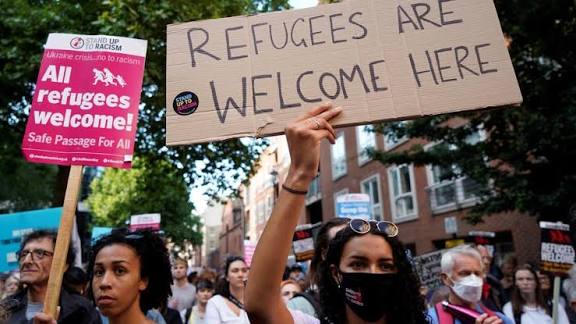
A plan by Britain to send some asylum seekers to Rwanda was passed by Parliament, but still faces legal challenges. no flight will take place. Today we will discuss about Asylum Seeker:Deportations Surge,UK-Rwanda Row,US Teens Shock
Asylum Seeker:Deportations Surge,UK-Rwanda Row,US Teens Shock
In an era of complex global migration, asylum seekers—people fleeing war, persecution, or life-threatening danger—face unprecedented challenges. The international asylum landscape is under intense strain, with governments tightening borders, courts intervening, and humanitarian groups sounding alarms about rising deportations and human rights setbacks. Recent developments in the United Kingdom and the United States underscore this crisis, igniting legal battles, political rows, and deeply emotional public reactions.
This comprehensive article explores the latest trends and controversies involving asylum seekers, including the surge in deportation efforts, the diplomatic storm over the UK-Rwanda asylum agreement, and shock-provoking cases of US teenagers caught up in immigration enforcement.
1. What Is an Asylum Seeker? (Context and Definitions)

An asylum seeker is someone who flees their home country and petitions another country for protection. According to international standards, asylum seekers must demonstrate a well-founded fear of persecution due to race, religion, nationality, political opinion, or membership in a particular social group. These protections are largely grounded in the 1951 Refugee Convention and its 1967 Protocol, the cornerstone of global asylum law.
Despite these protections, the global asylum system has shown weaknesses. Over the last decade, conflicts in places like Syria, Afghanistan, Sudan, and other regions have created millions of displaced people whose asylum applications far outstrip the world’s processing capacities.
2. The World at a Crossroads: Asylum Applications and Pressures
Global Increase in Forced Displacement
Conflicts, economic collapse, climate breakdown, and repression continue to drive people to seek safety across borders. Current trends show record numbers of people applying for asylum in many countries, quietly reshaping international migration patterns.
In the United Kingdom, official data indicates that asylum claims hit record highs, with more than 108,000 applications in 2024—the highest since records began.
Many asylum seekers in the UK come from countries experiencing prolonged instability, including Bangladesh, Pakistan, Syria, Sudan, and Vietnam, reflecting broader global turmoil.
This trend is mirrored worldwide. Humanitarian funding shortfalls, especially in critical regions like Sudan with over 15 million displaced internally due to war, have compounded pressures on the global asylum system.
3. Deportation Surge: A New Normal?
Governments in Europe and North America are increasingly shifting toward enforcement-first policies, reducing protections and increasing deportations.
In recent months, the United States under the current presidential administration has intensified its deportation efforts, including controversial moves to strip legal aid from migrant children and deport unaccompanied minors—a move condemned by UN human rights experts as a violation of international law and children’s rights.
These actions have coincided with an environment in which federal agencies are actively pursuing deportations of migrants with or without pending asylum claims, including families and children who crossed the border seeking safety.
In another sign of enforcement escalation, US Immigration and Customs Enforcement (ICE) detained at least four children — including a five-year-old — from a Minnesota school district in January, sparking accusations the government was using minors in immigration enforcement actions and raising profound ethical questions.
A high-profile case, the detention of five-year-old Liam Conejo Ramos and his father, has become symbolic of the broader policy shift. Liam, who had an active asylum claim, was detained by federal agents—which triggered public protests and a federal judge’s temporary block on their deportation.
These developments reflect a broader retreat from the humanitarian intentions of asylum protections and underscore how deeply political immigration policy has become.
4. The UK’s Rwanda Debate: Diplomacy, Law, and Human Rights Clash
One of the most contentious asylum policy debates in recent years involves the United Kingdom’s attempt to outsource asylum processing to Rwanda. Under the Migration and Economic Development Partnership (MEDP), Britain agreed to pay Rwanda to host, process, and resettle people arriving in the UK in an effort to deter dangerous Channel crossings.
A Deal Under Fire
The UK-Rwanda plan has been embroiled in controversy since its inception:
The UK Supreme Court ruled the original deal unlawful, finding that sending asylum seekers to Rwanda risked breaching human rights law.
Rwanda has since taken arbitration action against the UK at The Hague for canceling the deal and withholding future payments, arguing Britain owes millions under the agreement.
International bodies like the United Nations refugee agency (UNHCR) have criticized the policy, arguing that shifting responsibility undermines asylum protections and may expose people to refoulement — the forced return to danger.
Political Backlash and Migration Numbers
In the UK, asylum numbers continue climbing. Since the start of the “one in, one out” migrant returns deal with France, more people have arrived than have been returned—a statistic that critics use to argue existing approaches are ineffective.
Labour MPs have even urged a return to Rwanda-style deportation schemes after scrapping the previous government’s plan when assuming power, amid record asylum applications.
Legal and Human Rights Concerns
Beyond policy disputes, legal challenges persist over how asylum seekers are treated and where their claims should be processed. Courts have highlighted that promises from Rwanda over treatment and safety of relocated asylum seekers were described as “aspirational,” raising doubts about enforceable protections.
These debates touch on deep questions: Are third-country arrangements lawful? Do they align with refugee conventions? Who bears responsibility for protection when borders close?
5. Personal Stories That Shock: US Teens and Children in the System
While policy debates rage, real human stories grab headlines and public empathy. In the US, several cases involving teenagers and children have shocked the public and highlighted the emotional human cost of stringent enforcement.
Shocking Teen Detentions and Deportation Encounters
In early 2026, multiple minors were detained by ICE in Minnesota schools, including teenagers and a five-year-old, raising alarm about tactics used by federal agents.
The high-profile Liam Conejo Ramos case, became emblematic of how immigration enforcement can intersect with ordinary daily life — in this case, a child walking home from school.
In other recent developments, the US government attempted to target unaccompanied migrant children and deport hundreds of thousands of minors—a move sharply criticized by UN experts for violating international protections for vulnerable groups.
These stories have become flashpoints in debates over due process, children’s rights, and the ethical limits of immigration enforcement.
6. The Human Costs and Legal Landscape
Asylum seekers often endure perilous journeys, prolonged uncertainty, and legal barriers that significantly affect their lives:
Many wait years for asylum decisions, with a backlog of nearly 79,000 cases awaiting initial decisions in the UK alone.
Legal aid cuts and restrictions exacerbate the challenge, especially for minors who may struggle to represent themselves in complex immigration proceedings.
Critics argue that enforcement measures, such as family separation or deterrence-oriented policies, undermine the spirit of asylum law and the principle of non-refoulement, which protects people from being returned to danger.
International Law vs. Domestic Policy Pressures
While international legal frameworks like the 1951 Refugee Convention set baseline protections, domestic political pressures increasingly shape asylum policy. Governments cite border control, national security, and irregular arrivals as justifications for tougher policies, while advocacy groups argue that this approach violates both law and human dignity.
This tension is clear in both the UK’s legal battles over third-country processing and the US’s interior enforcement strategies.
7. Looking Ahead: What the Future Holds
The asylum seeker crisis is far from over. Rising global instability, ongoing conflict, climate pressures, and economic disparity are likely to sustain forced displacement trends. Governments will continue to grapple with balancing border control and humanitarian obligations, but the recent surge in enforcement measures signals a broader shift in the global asylum landscape.
Key areas to watch include:
Legal outcomes for asylum challenges in courts around the world
Diplomatic negotiations over third-country processing like the UK-Rwanda model
Human rights advocacy efforts to protect vulnerable groups, especially children
Policy shifts driven by elections, public opinion, and migration flows
Ultimately, while asylum policy is shaped by states, the human stories of asylum seekers—of families fleeing violence, children searching for safety, and individuals seeking a chance to live without fear—remain central to this unfolding global narrative.
Conclusion
The asylum seeker crisis reveals the fault lines in global migration governance, where rising enforcement, political disputes, and human rights concerns collide. From record asylum applications in the UK and the fraught UK-Rwanda agreement to controversial deportation practices and shockingly vulnerable minors in the US, the challenges are vast and deeply human.
Understanding these dynamics is essential, not just for policymakers and advocates, but for anyone seeking a more just, humane, and effective response to forced displacement in the 21st century.
How useful was this post?
Click on a star to rate it!
Average rating 0 / 5. Vote count: 0
No votes so far! Be the first to rate this post.
About the Author

usa5911.com
Administrator
Hi, I’m Gurdeep Singh, a professional content writer from India with over 3 years of experience in the field. I specialize in covering U.S. politics, delivering timely and engaging content tailored specifically for an American audience. Along with my dedicated team, we track and report on all the latest political trends, news, and in-depth analysis shaping the United States today. Our goal is to provide clear, factual, and compelling content that keeps readers informed and engaged with the ever-changing political landscape.