Army Enlistment Age Surge: US Raises Limit 42, War Demand Spike, Recruitment Crisis
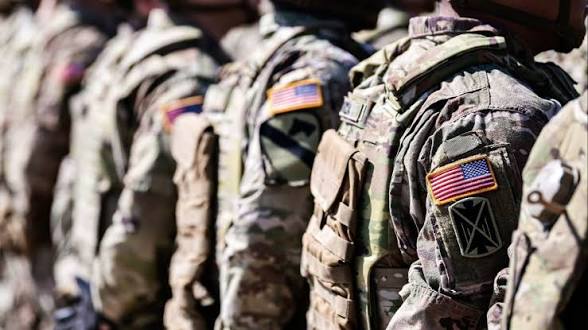
The Army enlistment age surge has become one of the most talked-about military policy shifts in 2026. The United States Army has officially raised its maximum enlistment age from 35 to 42, a dramatic move reflecting deeper structural challenges within military recruitment and global security pressures.
This decision is not happening in isolation. It is tied to a combination of factors—rising geopolitical tensions, evolving warfare technologies, and a growing recruitment crisis that has plagued the U.S. military for years.
As war demands spike and fewer young Americans qualify or show interest in service, the Army is being forced to rethink its traditional recruitment model. But what does this change really mean? And why now?
Let’s explore everything in detail.
What Is the New Army Enlistment Age Policy?
The U.S. Army has increased its maximum enlistment age to 42 years, effective April 2026. This applies to:
- Regular Army
- Army National Guard
- Army Reserve
Previously, the upper age limit stood at 35, making this a 7-year increase.
The minimum age remains unchanged:
- 17 years (with parental consent)
- 18 years (without consent)
This policy aligns the Army with other branches:
- Navy: 41
- Air Force & Space Force: 42
- Marine Corps: 28
Why Did the US Raise the Enlistment Age?
1. Recruitment Crisis
The primary driver is a persistent recruitment shortfall. In recent years, the Army has struggled to meet its targets, missing goals by as much as 25% in some periods.
Several issues contribute to this crisis:
- Only about 23% of young Americans meet eligibility standards
- Rising obesity, medical, and educational disqualifications
- Declining interest in military service
This shrinking pool has forced the Army to expand eligibility criteria.
2. Rising Global Tensions and War Demand
The enlistment age increase comes amid escalating geopolitical tensions, particularly involving U.S. military operations in the Middle East.
Recent troop deployments and funding requests highlight growing operational demands, pushing the military to urgently expand its manpower base.
Historically, similar changes occurred during:
- Iraq War
- Afghanistan War
The age limit was also raised to 42 during those conflicts, indicating a clear pattern:
Higher demand for troops = broader recruitment policies.
3. Changing Nature of Warfare
Modern warfare is no longer just about physical strength—it increasingly depends on:
- Cybersecurity
- Artificial intelligence
- Technical expertise
Older recruits often bring:
- Professional experience
- Specialized skills
- Higher maturity levels
Military analysts note that older recruits tend to be:
- More focused
- Faster to train
- More motivated
4. Demographic Shifts
The U.S. is experiencing demographic changes that affect recruitment:
- Smaller youth population
- Increased college enrollment
- Competitive civilian job markets
As a result, the Army is targeting a “more mature audience” with technical capabilities.
Additional Policy Changes Alongside Age Increase
The enlistment age surge is part of a broader recruitment overhaul.
Relaxed Drug Policy
The Army has eased restrictions on:
- Single marijuana possession convictions
Previously, such cases required:
- Special waivers
- Waiting periods
- Drug testing
Now, many applicants can enlist without those barriers.
Expanded Waivers and Training Programs
Other changes include:
- Pre-training fitness programs
- Academic preparation courses
- Expanded waiver eligibility
These measures aim to make enlistment more accessible without lowering core standards.
Pros of Raising the Enlistment Age
1. Larger Recruitment Pool
Expanding the age range significantly increases the number of eligible applicants.
2. Higher Skill Levels
Older recruits often bring:
- Technical knowledge
- Work experience
- Leadership skills
3. Improved Retention
Studies suggest older recruits are:
- More likely to complete training
- More likely to stay in service longer
4. Faster Deployment Readiness
Mature recruits may adapt quicker to military discipline and structure.
Challenges and Concerns
1. Physical Demands
Military training is intense, and older recruits may face:
- Higher injury risks
- Greater physical strain
2. Shorter Career Span
A recruit joining at 42 has less time before retirement eligibility.
3. Training Dropout Rates
Some reports suggest older recruits may:
- Struggle with physical standards
- Drop out at higher rates in certain cases
4. Public Perception
Critics argue the move signals desperation rather than strategic evolution.
Is This a Sign of a Military Draft?
Despite speculation, the U.S. military remains an all-volunteer force.
Important points:
- No active draft currently exists
- A draft would require Congressional approval
- Age increase does NOT automatically mean conscription
However, the policy does indicate growing pressure on recruitment systems.
Historical Context: Not the First Time
The Army has raised enlistment age limits before:
- 2006: Increased to 42 during Iraq & Afghanistan wars
- 2016: Reduced back to 35
- 2026: Raised again to 42
This cyclical pattern reflects how military policies adapt to:
- War demands
- Recruitment challenges
- Strategic needs
Impact on Future Military Strategy
The enlistment age surge could reshape the military in several ways:
1. More Skilled Workforce
Expect increased emphasis on:
- Cyber warfare
- Engineering roles
- Technical operations
2. Hybrid Soldier Profiles
Future soldiers may combine:
- Physical capability
- Professional expertise
3. Flexible Recruitment Models
The military may continue:
- Expanding eligibility
- Adjusting standards
- Introducing targeted recruitment campaigns
What It Means for Potential Recruits
If you’re considering enlistment, this change opens new opportunities:
You may qualify if:
- You are under 42
- Meet fitness and medical standards
- Pass background checks
Advantages for older recruits:
- Career change opportunity
- Skill-based roles
- Leadership pathways
Global Comparison
The U.S. is not alone in raising enlistment age limits.
Other countries have also:
- Increased age caps
- Expanded eligibility
- Focused on skilled recruits
This reflects a global trend:
Modern militaries need expertise as much as manpower.
Conclusion
The Army enlistment age surge is more than just a policy tweak—it’s a signal of deeper transformations within the military landscape.
Faced with recruitment shortages, rising global tensions, and evolving warfare, the U.S. Army is adapting by broadening its recruitment base and embracing a more diverse, experienced pool of candidates.
While the move raises valid concerns, it also highlights a critical shift:
The future soldier is not just younger and stronger—but smarter, skilled, and adaptable.
FAQs
1. What is the new maximum enlistment age for the US Army?
The maximum enlistment age is now 42 years.
2. Why did the Army raise the enlistment age?
To address recruitment shortages, expand the talent pool, and meet rising military demands.
3. Does this mean the US is preparing for a draft?
No, the U.S. military is still an all-volunteer force.
4. Can people over 40 join the Army now?
Yes, individuals up to age 42 can enlist if they meet all requirements.
5. Are standards being lowered?
Officials say standards remain intact, but eligibility has been expanded.
6. Is this change permanent?
Not necessarily. Historically, enlistment age limits change based on military needs.
How useful was this post?
Click on a star to rate it!
Average rating 0 / 5. Vote count: 0
No votes so far! Be the first to rate this post.
About the Author

usa5911.com
Administrator
Hi, I’m Gurdeep Singh, a professional content writer from India with over 3 years of experience in the field. I specialize in covering U.S. politics, delivering timely and engaging content tailored specifically for an American audience. Along with my dedicated team, we track and report on all the latest political trends, news, and in-depth analysis shaping the United States today. Our goal is to provide clear, factual, and compelling content that keeps readers informed and engaged with the ever-changing political landscape.