Anas Sarwar Revolt: Starmer exit call, Labour meltdown
Introduction: A Political Earthquake in British Politics

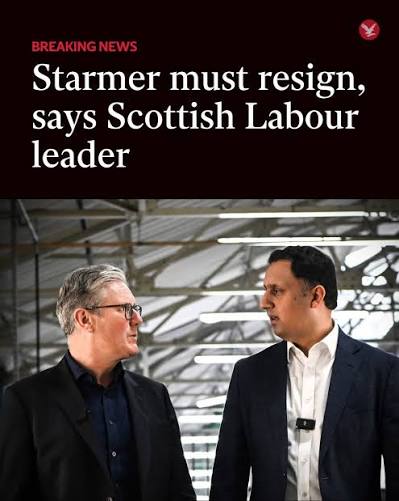
British politics is in turmoil as Anas Sarwar, leader of the Scottish Labour Party, has become the most senior figure within the ruling party to publicly **call for Prime Minister Keir Starmer’s resignation — a move that has triggered widespread internal dissent, resignations of key aides, and mounting pressure on the Labour leadership.
The controversy erupted from fallout tied to the Peter Mandelson appointment as UK ambassador to Washington, whose past connections to the Jeffrey Epstein scandal have haunted the government. The appointment, widely criticised, has now become the focal point of Labour’s internal revolt.
What once looked like stable governance under Starmer is now fraught with divisions and pointedly labelled a “Labour meltdown” in political circles — with Scottish political strategy, national elections, and party unity all thrust into uncertainty.
Who Is Anas Sarwar and Why His Call Matters
Anas Sarwar is the Leader of the Labour Party in Scotland and a Member of the Scottish Parliament. He has been a prominent face in Scottish politics and a significant figure within Labour’s broader strategy in the United Kingdom. In February 2026, Sarwar publicly called on Sir Keir Starmer to resign as Prime Minister and Labour leader, citing a string of policy “mistakes” and political misjudgments that he argues have damaged the party’s credibility and electoral prospects.
In a Glasgow press conference, Sarwar made clear that this step was not taken lightly: he described his “first loyalty” as Scotland, asserting that the internal turmoil emanating from Westminster was undermining Labour’s campaign in Scotland for upcoming elections.
The Catalyst: Mandelson Appointment and Epstein Fallout
The immediate spark for this unprecedented challenge within Labour came from the backlash over Lord Peter Mandelson’s appointment as British Ambassador to the United States — despite his controversial historical links to Jeffrey Epstein. The appointment angered many and resulted in multiple high-level resignations from Downing Street, including Starmer’s chief of staff Morgan McSweeney and director of communications Tim Allan.
Anas Sarwar Revolt: Starmer exit call, Labour meltdown
Critics argue that Starmer’s judgement in endorsing Mandelson was deeply flawed and eroded public confidence, further deepening factional divides within the party. This scandal now sits at the heart of Sarwar’s critique and has provided him the platform to demand Starmer’s exit.
Starmer’s Defiant Response and Meltdown Narrative
Rather than acquiesce to calls for leadership change, Prime Minister Keir Starmer has taken a defiant stance. In a meeting with Labour MPs, he vowed not to “walk away” from his mandate and stressed his commitment to governing, claiming he has “won every fight” he has faced in his political career.
Starmer’s response to the revolt has been firm:
He reaffirmed his belief in Labour’s mission and priorities.
He expressed regret over the Mandelson appointment without conceding that it requires his resignation.
He urged unity against opposition parties and positioned the fight against Reform UK as a defining challenge.
Despite his defiant stance, the party’s image has been shaken — with commentators describing the crisis as one of Starmer’s toughest leadership tests.
Internal Party Reactions: Support and Opposition
The internal reaction within Labour has been sharply divided:
Support for Starmer
Deputy Prime Minister David Lammy and senior ministers like Steve Reed publicly backed Starmer, calling for party unity and urging members not to allow internal divisions to derail Labour’s reforms.
Criticism and Demand for Change
Sarwar’s call was supported by some Scottish Labour figures who believe leadership change is essential for electoral success.
Critics argued that continued association with mistakes like the Mandelson appointment undermines momentum and public trust.
- Anas Sarwar Revolt: Starmer exit call, Labour meltdown
However, other members warned that a leadership challenge could be destabilising and premature. Some factions within Labour — especially the soft left Tribune group — urged against hastening a leadership contest, opting instead for tactical cabinet reshuffles.
Political Strategy: Sarwar’s Calculated Gamble
Observers note that Sarwar’s decision was influenced not just by principle but by strategic calculations ahead of the 2026 Scottish Parliament election. Sarwar has argued that the Westminster crisis is damaging Labour’s chances of unseating the Scottish National Party (SNP) — particularly in a campaign where unity and focus are considered crucial.
Critics, however, see risks in his move: it may alienate Scottish voters who prefer stable leadership or create perceptions of internal division within Labour at a critical electoral moment.
Broader Political Impact: Labour’s Position and Public Perception
The revolt and subsequent cabinet resignations have spilled into the public sphere, impacting broader political perception:
Polling following the controversies suggests that support for the government may have weakened, with party disapproval rising amid concerns about judgment and leadership stability.
Opposing parties, including the Conservatives and Reform UK, have seized on the turmoil, framing it as evidence of Labour’s internal chaos and inability to govern effectively.
Public discourse now blends leadership questions with policy criticism, hitting Labour’s strategic narratives just months before major elections.
Is Labour Facing a Meltdown or Just a Reset?
The debate now revolves not only around Starmer’s leadership but the future direction of the Labour Party:
Meltdown Arguments
Fragmentation among senior figures and public discussions of leadership change.
Cabinet resignations reinforcing perceptions of internal instability.
Poll shifts suggesting dissatisfaction among voters.
Reset Arguments
Unity efforts by senior ministers and frontbenchers supporting Starmer.
Calls for tactical restructuring rather than leadership overthrow.
Starmer’s continued defiance and electoral mandate.
Political analysts warn that Labour’s ability to manage this crisis could define the party’s fortunes in the next general election and shape its long-term cohesion.
FAQs: Understanding the Anas Sarwar Revolt
1. Who is Anas Sarwar and why is his call significant?
Anas Sarwar is the Leader of the Labour Party in Scotland and has become the most senior Labour figure to publicly call on Prime Minister Keir Starmer to resign due to leadership concerns and scandal fallout.
2. What triggered the revolt against Keir Starmer?
The immediate trigger was the backlash over Peter Mandelson’s appointment as UK ambassador to the U.S. — despite his controversial links — which resulted in key aides resigning and undermined confidence in Starmer’s judgment.
3. How has Starmer responded to calls for his resignation?
Starmer has rejected resignation calls, insisting he will remain in office and continue his mandate, emphasising stability and unity within Labour.
4. Is the Labour Party truly divided?
There are clear divisions: senior cabinet ministers back Starmer, while Sarwar and some Scottish Labour members have pushed for change, reflecting differing strategic priorities and political pressures.
5. What could happen next in UK politics?
Possible outcomes include a leadership challenge, a strategic reshuffle within Labour, or efforts to stabilise the party’s image ahead of local and national elections — all with major implications for political power in the UK.
About the Author