Amy Klobuchar : Minnesota governor race, Walz exit, 2026 shakeup
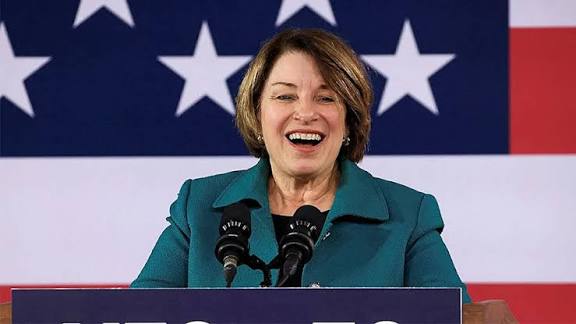
The senator is currently serving her fourth term and is a former local prosecutor who once ran for president in 2020. Today we will discuss about Amy Klobuchar : Minnesota governor race, Walz exit, 2026 shakeup
Amy Klobuchar : Minnesota governor race, Walz exit, 2026 shakeup
The political landscape of Minnesota has been dramatically reshaped by a single announcement: Senator Amy Klobuchar’s entry into the 2026 gubernatorial race. Her decision follows Governor Tim Walz’s unexpected choice to step aside rather than seek a third term, opening the door to one of the most competitive and consequential elections in the state’s modern history. With Klobuchar’s national stature, deep-rooted popularity in Minnesota, and reputation for bipartisan effectiveness, the contest is no longer a routine open-seat race. It has become a political earthquake with implications far beyond state borders.
Amy Klobuchar: From Senator to Governor Contender
Amy Klobuchar is among the most recognizable political figures in the Midwest. Serving multiple terms in the U.S. Senate, she built her career on a reputation for pragmatic leadership, strong constituent service, and an ability to win over independents and moderate Republicans. Her overwhelming re-election margins over the years have demonstrated a rare political durability in an era of extreme polarization.
Klobuchar’s background as a former county attorney gave her a law-and-order image balanced by progressive stances on healthcare, labor rights, and infrastructure. Her 2020 presidential run elevated her profile nationally and introduced her to millions of voters as a steady, solutions-oriented Democrat from the heartland. Though she did not secure the nomination, the campaign positioned her as a respected voice within the party and strengthened her brand as a consensus builder.
By shifting her focus from Washington to St. Paul, Klobuchar is signaling that she sees Minnesota entering a moment of transition that demands experienced leadership at the executive level.
The Shock of Tim Walz’s Departure
Governor Tim Walz’s announcement that he would not seek re-election sent shockwaves through Minnesota politics. Walz, a former teacher, National Guard veteran, and congressman, had governed through extraordinary times: the COVID-19 pandemic, civil unrest following the murder of George Floyd, economic disruption, and contentious federal-state policy battles.
While widely expected to run again, Walz cited the toll of prolonged crisis management and the desire to step aside for a new chapter in leadership. His exit immediately transformed the political environment. An incumbent advantage vanished, party strategies had to be rewritten, and potential candidates on both sides of the aisle recalculated their ambitions.
For Democrats, the central question became how to defend the governor’s mansion in a volatile national climate. For Republicans, the open seat represented their best opportunity in years to reclaim statewide executive power. Into this uncertainty stepped Amy Klobuchar.
Why Klobuchar Entered the Race
Klobuchar’s decision was not impulsive. It reflected a convergence of political timing, personal legacy, and strategic calculation. As a senator, she had achieved seniority and influence, but the closely divided U.S. Senate often limited legislative breakthroughs. The governorship, by contrast, offers direct executive authority: the ability to shape budgets, appoint agency leaders, negotiate with legislatures, and set the tone of state governance.
In her announcement, Klobuchar emphasized stability, accountability, and unity. She framed Minnesota as a state that has weathered intense division and requires leadership that can restore trust in institutions while addressing economic inequality, public safety, and education reform.
Her campaign narrative positions her as a bridge between urban and rural communities, progressives and moderates, labor unions and business leaders. This centrist appeal has been the cornerstone of her electoral success and could prove decisive in a statewide contest.
The Democratic Field and Party Dynamics
Although Klobuchar quickly emerged as the frontrunner, her candidacy also reshaped internal Democratic dynamics. Several rising leaders within the Democratic-Farmer-Labor Party had been quietly preparing for a post-Walz race. Some represented a younger, more progressive wing eager to push bold reforms on climate policy, housing, and policing.
Klobuchar’s entry may consolidate establishment support, but it could also trigger debates about the party’s ideological direction. Balancing grassroots energy with broad electability will be a critical challenge. How the party navigates its primary process will determine whether it enters the general election unified or fractured.
Republican Strategy and Opportunity
For Republicans, the 2026 race is a rare opening. Minnesota has leaned Democratic in recent statewide elections, but margins have tightened, especially in suburban and exurban areas. GOP contenders are likely to focus on economic concerns, public safety, taxation, and skepticism toward federal influence.
They will attempt to tie Democratic leadership to controversies, bureaucratic inefficiencies, and perceived overreach during emergency governance. Klobuchar’s long tenure in Washington may be portrayed as insider politics, even as her popularity complicates such attacks.
The Republican challenge will be to nominate a candidate who can appeal beyond the party base and compete in the Twin Cities suburbs, where statewide elections are often decided.
National Implications of a Senate Vacancy
Klobuchar’s gubernatorial run carries consequences for national politics. If she wins, her departure from the U.S. Senate would create a vacancy filled temporarily by appointment and later by a special election. In a closely divided chamber, even a single seat shift can affect committee control, judicial confirmations, and legislative priorities.
National party leaders are watching the Minnesota race not only for its gubernatorial outcome but also for its potential ripple effects in Congress. The strategic importance of holding the seat adds another layer of intensity to the campaign.
Key Issues Likely to Define the Campaign
Several major policy themes are expected to dominate the race:
Economic Security: Inflation, job growth, and affordability will be central. Klobuchar is likely to highlight infrastructure investment, support for small businesses, and workforce development.
Public Safety and Justice: Minnesota’s experience with high-profile cases and police reform debates ensures that law enforcement policy and community safety will be under intense scrutiny.
Healthcare and Education: Access, cost control, and rural service delivery remain critical, particularly as demographic shifts strain existing systems.
Federal-State Relations: Immigration enforcement, environmental regulation, and disaster response will test the next governor’s ability to navigate tensions with Washington.
Voter Turnout and Demographic Shifts
Minnesota consistently ranks among the highest in voter participation, and 2026 is expected to be no exception. Urban growth, suburban diversification, and rural population decline are reshaping the electorate. Klobuchar’s strength across demographic groups gives her a broad base, but mobilizing younger voters and first-time participants will be essential for both parties.
The Broader Meaning of the 2026 Shakeup
This race symbolizes a generational and institutional transition. Walz’s exit marks the end of an era defined by crisis governance. Klobuchar’s bid represents continuity in experience but also a pivot toward executive leadership rooted in legislative accomplishment.
Whether voters choose stability or change, moderation or ideological contrast, the outcome will signal how Minnesotans view the direction of their state in a polarized nation.
Conclusion: A Defining Contest for Minnesota’s Future
The 2026 Minnesota governor’s race is no ordinary election. It is a convergence of personal legacy, party strategy, and national consequence. Amy Klobuchar’s entry elevates the contest to a high-stakes political showdown, one that will test her enduring popularity and the state’s appetite for experienced leadership after years of turbulence.
With Tim Walz stepping aside, a political vacuum has opened. How it is filled will shape Minnesota’s policy trajectory, its role in national politics, and its identity in a rapidly changing America. The campaign ahead promises not only fierce competition but also a defining conversation about governance, unity, and the future of one of the nation’s most politically engaged states.
How useful was this post?
Click on a star to rate it!
Average rating 0 / 5. Vote count: 0
No votes so far! Be the first to rate this post.
About the Author

usa5911.com
Administrator
Hi, I’m Gurdeep Singh, a professional content writer from India with over 3 years of experience in the field. I specialize in covering U.S. politics, delivering timely and engaging content tailored specifically for an American audience. Along with my dedicated team, we track and report on all the latest political trends, news, and in-depth analysis shaping the United States today. Our goal is to provide clear, factual, and compelling content that keeps readers informed and engaged with the ever-changing political landscape.