America culture war explodes again: schools, media, or free speech
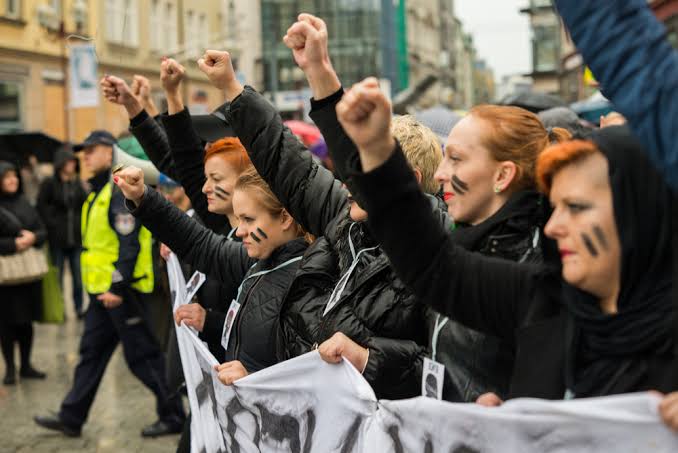
America’s culture war is raging again, primarily focused on schools (curriculum battles over race, gender, history), Today we will discuss about America culture war explodes again: schools, media, or free speech
America culture war explodes again: schools, media, or free speech
In 2025, the United States finds itself in yet another cycle of culture war controversies — a charged moment where schools, media, and free speech have become the epicenter of fierce national debate. Rather than a singular flashpoint, the culture war has evolved into multilayered clashes that span legislative actions, academic environments, corporate media decisions, and social norms. From major free speech confrontations to debates over curriculum and political advocacy in schools, these battles are reshaping the way Americans think about rights, expression, and identity.
What’s unfolding isn’t just political disagreement — it is a deep societal rupture over values and power, one that affects students, educators, journalists, corporate leaders, and everyday citizens alike.
1. How Schools Became a Central Battlefield
Public education has long been a focal point in American cultural politics, but recent developments have intensified that role dramatically.
Curriculum Conflicts and Legislative Interference
Across numerous states, lawmakers have enacted and proposed a range of laws targeting what can — and cannot — be taught in public schools. These laws often focus on subjects like race, gender identity, LGBTQ+ issues, and American history. Though not new, the scale of legislative involvement is unprecedented.
A majority of high school leaders nationwide report political conflict as deeply affecting school life. Heated debates at school board meetings and political activism by community groups have led teachers and principals to avoid or drastically scale back instruction on civics, race, and even basic democratic principles — all to avoid backlash. Parents and activists frequently request removals of books and curriculum, sometimes leading to the banning of historically significant literature like To Kill a Mockingbird or other works dealing with racial and social justice.
Academic Freedom Under Pressure
College campuses, traditionally seen as bastions of free expression and rigorous debate, are also wrestling with intense cultural conflicts. In several high-profile instances, professors have faced sanctions or termination for statements made outside the classroom that are viewed as political advocacy.
Texas State University garnered national attention when it fired a tenured professor after his public remarks at a political event were deemed to violate conduct standards — a move criticized by free-speech advocates as an attack on academic freedom.
In California, UC Berkeley’s suspension of a lecturer for integrating politically charged advocacy into his course time similarly ignited debates over whether universities are suppressing controversial points of view rather than encouraging open discourse.
Campus Protests and Students’ Role
Student activism — especially around international conflicts like the Israel-Gaza war — has further stoked tensions. In some states, laws have placed explicit limits on classroom discussion of certain “controversial beliefs,” triggering protests from students and faculty who view such laws as chilling free speech and educational inquiry.
Data also highlights troubling trends among students themselves: in recent surveys, a notable share of college students report that violence is, in some circumstances, “acceptable” to stop speech they oppose. This trend suggests a growing disconnect between theoretical support for free expression and tactical preferences for suppressing opposing ideas.
These intersecting campus dynamics — protests, legal shifts, and social norms — show how deeply the culture war has permeated higher education.
2. Free Speech: Revered, Weaponized, and Contested
At the heart of the culture war is the First Amendment — the constitutional guarantee of free speech — which has become both a rallying cry and a contested concept.
Federal Policy and Political Shifts
One of the most consequential developments in 2025 was the signing of an executive order by the federal administration titled “Restoring Freedom of Speech and Ending Federal Censorship.” This order aims to curtail what the administration views as government interference with free expression, particularly online. However, critics argue that it could instead fuel misinformation and undermine content moderation efforts without clear safeguards.
Public and Political Free Speech Debates
The assassination of a conservative activist became a flashpoint in the debate over speech and censorship, with both Republicans and Democrats accusing each other of hypocrisy over cancel culture and the limits of acceptable expression. Multiple pundits and lawmakers weighed in on whether reactions to the killing — including public firings based on online comments — crossed lines into censorship.
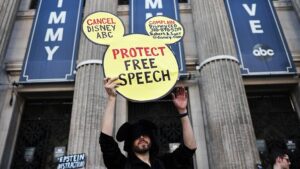
Additionally, media organizations and entertainers have become embroiled in these disputes. Notably, a major late-night show was briefly suspended after the host’s post-assassination commentary drew conservative criticism and political pressure — sparking widespread backlash about corporate media autonomy and political influence.
These conflicts underscore that free speech in America is not universally defined. For some, “free speech” means protection from governmental suppression; for others, it demands a more expansive cultural tolerance that includes resisting social backlash or economic consequences for controversial views.
Legal and Judicial Dimensions
Legal battles over speech are also playing out in the courts. Decisions on free speech have implications for how states can regulate access to content, with broader interpretation for related speech issues. These rulings continue to shape the boundaries of expression in educational, online, and public spaces.
3. The Media’s Role: Echo Chambers, Polarization, and Public Perception
The culture war is amplified through the media landscape, which has become deeply fragmented along ideological lines. Cable news shows, social media platforms, and opinion journalism play decisive roles in shaping how the public perceives these conflicts.
Partisan Media and Polarization
Research indicates that prime-time cable shows often lack genuine debate, creating environments where partisan viewpoints dominate with little substantive disagreement. This dynamic reinforces echo chambers and deepens political polarization, making compromise more difficult and inflaming cultural clashes.
Public perception of the media’s role is similarly fractured. Some Americans accuse major outlets of bias or censorship, while others claim conservative media and political actors weaponize free speech rhetoric to justify otherwise exclusionary or offensive content. These competing narratives contribute to distrust in institutions and reinforce culture war fault lines.
Book Bans and Censorship Activism
Efforts to ban books and control educational content extend beyond school curriculum politics and into broader cultural debates. Thousands of titles have been challenged or removed from public schools across the country. Critics charge that such actions distort educational opportunity and suppress diverse voices, while proponents argue they protect children from “inappropriate” material.
Online Platforms and Moderation
Social media companies remain at the center of cultural disputes, balancing platform policies against political pressures from both left and right. Debates over bans on platforms, claims of systemic bias in moderation, and concerns about online radicalization underscore the complexity of digital speech regulation in an era of global platforms and instantaneous communication.
4. Broader Social Implications: Identity, Democracy, and the American Experiment
Beyond specific controversies, the culture war reflects deeper questions about American identity and democratic values.
Generational Divides
Studies suggest differing attitudes toward free speech among age groups, with younger Americans sometimes placing more emphasis on preventing harm than on unrestricted expression. This has fueled debate about how best to balance tolerance, respect, and open discourse in schools and society.
Impact on Civic Life
The infusion of political polarization into educational settings has real consequences. When teachers avoid contentious subjects out of fear of conflict, students risk missing key lessons in critical thinking, democratic engagement, and civic literacy. This erosion of common ground undermines the capacity of future generations to navigate a diverse and pluralistic society effectively.
The Future of American Culture Wars
The current moment shows no signs of abating. Rather than isolated skirmishes, culture war battles have become enduring features of American public life — embedded in legal systems, educational institutions, media ecosystems, and everyday social interaction.
What remains uncertain is whether society will find pathways to reconcile these conflicts or if polarization will continue to harden into permanent factional divides.
Conclusion
America’s culture war in 2025 isn’t a mere echo of past disputes — it has re-energized key national pillars: schools struggling with curriculum and classroom speech, media landscapes shaping public perception, and free speech debates challenging constitutional norms. These battles, often amplified by political incentives and media polarization, raise fundamental questions about rights, power, and identity in contemporary America.
Understanding these issues requires more than partisan framing. It calls for deep reflection on how a diverse democracy can uphold free expression, protect vulnerable communities, and foster inclusive civic life — all while grappling with profound disagreements over values and history.
How useful was this post?
Click on a star to rate it!
Average rating 0 / 5. Vote count: 0
No votes so far! Be the first to rate this post.
About the Author

usa5911.com
Administrator
Hi, I’m Gurdeep Singh, a professional content writer from India with over 3 years of experience in the field. I specialize in covering U.S. politics, delivering timely and engaging content tailored specifically for an American audience. Along with my dedicated team, we track and report on all the latest political trends, news, and in-depth analysis shaping the United States today. Our goal is to provide clear, factual, and compelling content that keeps readers informed and engaged with the ever-changing political landscape.