Ali Khamenei : Iran Power Center, Israel Clash, Sanctions Pressure, Regional Escalation
You sai
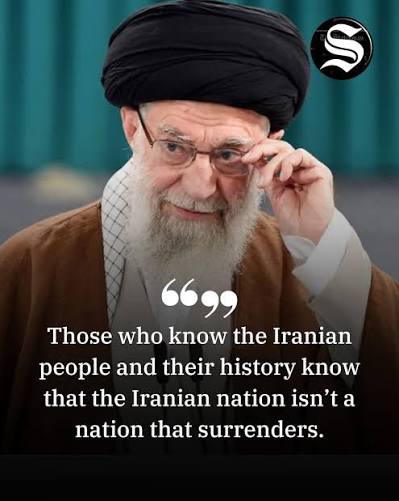
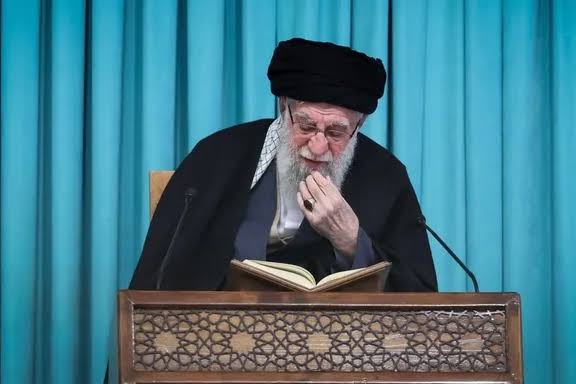
At the core of Iran’s political, military, and strategic decision-making stands Ayatollah Ali Khamenei, the Supreme Leader since 1989 and the unrivaled power center of the Islamic Republic. To understand Iran’s tensions with Israel, its resilience under sanctions, and his role in the broader Middle East geopolitical escalation, one must first grasp how Khamenei’s authority defines state policy and international posture.
For decades, Khamenei has shaped Iran’s internal governance and foreign strategy, navigating crises from nuclear diplomacy to proxy wars and now direct military confrontations. His leadership combines ideological conviction, institutional control, and strategic calculations that influence not only Tehran’s policies but also the dynamics of the Middle East.
Who Is Ayatollah Ali Khamenei? Iran’s Supreme Leader
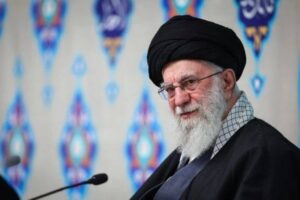
Ali Khamenei is Iran’s Supreme Leader, a position established under the Islamic Republic that places him above presidents, parliament, military commanders, and judiciary leaders. This role gives him ultimate authority over all branches of government, armed forces, and foreign policy.
Early Life and Rise to Power
Born in 1939, Khamenei rose through clerical ranks and emerged as a key figure during the 1979 Islamic Revolution. When Ayatollah Ruhollah Khomeini, the founder of the republic, died, Khamenei was appointed Supreme Leader — a post he has held for decades, shaping Iran’s political trajectory.
Institutional Authority
Unlike presidents who serve limited terms, the Supreme Leader has indefinite tenure and command over Iran’s strategic decisions — from nuclear negotiations to military strategy and foreign alliances. This authority makes him the central figure in understanding Iran’s domestic and international actions.
Khamenei and Iran’s Strategic Vision
Under Khamenei’s leadership, Iran’s foreign policy has been defined by resistance against Western pressure and the defense of strategic interests. The Supreme Leader frames Tehran’s stance as one of resistance, survival, and defiance.
Axis of Resistance
Khamenei champions what Tehran describes as the “Axis of Resistance” — alliances with groups such as Hezbollah in Lebanon, Shia militias in Iraq, and Hamas along the Gaza Strip. This geopolitical network challenges Israel’s security and confronts Western influence in the region.
His approach views confrontation with adversaries as an extension of revolutionary principles, emphasizing resilience against external pressures.
Iran–Israel Clash: From Proxy Battles to Direct Confrontation
Relations between Iran and Israel have long been adversarial, shaped by ideological opposition and regional competition. Under Khamenei, this animosity has evolved into intermittent conflicts, both indirect and direct.
Proxy Wars and Regional Support
Iran’s support for militant groups like Hezbollah and Hamas has fueled proxy engagements, with Tehran providing training, arms, and strategic encouragement. These groups have often acted as proxies in conflicts targeting Israeli interests.
Direct Attacks and Escalations
In April 2024, Iran launched its first direct missile and drone attack against Israel, signalling a shift in tactical posture and highlighting Tehran’s willingness to escalate beyond proxy engagement. Supreme Leader Khamenei framed this as a demonstration of power and resolve.
The 2026 Escalation
In early 2026, tensions reached a historic peak as Israel and the United States launched coordinated military strikes on Iranian territory, including locations near Khamenei’s compound — part of a broader joint campaign targeting military infrastructure and leadership sites. This unprecedented offensive triggered extensive retaliatory missile strikes by Iran across regional theaters.
These developments have marked a major escalation, drawing international attention and risking broader conflict.
Sanctions and the Economy: Iran’s Resistance Strategy
Western sanctions, especially from the United States and European Union, have been among the most persistent pressures on Iran for decades. These measures target Iran’s financial system, oil exports, and industrial sectors — aiming to curb Tehran’s nuclear ambitions and reduce its regional influence.
The “Resistance Economy”
Responding to prolonged sanctions, Khamenei has promoted a policy known as the “Resistance Economy” — an approach designed to insulate Iran’s economy by promoting self-reliance, reducing dependency on imports, and leveraging domestic capacities.
This strategy seeks to mitigate sanction impact, encourage diversification, and sustain growth despite global economic isolation.
Sanctions and Public Sentiment
While sanctions have strained the economy — affecting inflation, employment, and currency stability — Khamenei and state narratives often frame these challenges as part of a broader struggle against foreign coercion. Domestic messaging tends to minimize the blame placed on sanctions alone, instead emphasizing resilience and ideological commitments.
Regional Escalation: Geopolitics at a Boiling Point
Beyond Iran’s bilateral antagonism with Israel, the Middle East has witnessed a broader geopolitical escalation.
U.S.–Iran Relations and Diplomatic Standoffs
The United States and Iran have engaged in intermittent diplomatic talks, often focusing on Iran’s nuclear program and regional influence. However, disagreements around ballistic missiles and strategic priorities have repeatedly stalled negotiations.
When diplomacy falters, military posturing intensifies — as seen in the latest tensions following coordinated strikes and retaliatory attacks.
Regional Security Concerns
Iran’s actions reverberate across neighboring states, affecting security strategies in countries like Iraq, Syria, Saudi Arabia, and the Gulf emirates. Tehran’s proxy networks, missile capabilities, and strategic alliances have complicated peacemaking efforts and heightened anxiety among regional capitals.
International Impact
The broader international community — including the United Nations Security Council, European powers, Russia, and China — has called for restraint, diplomatic resolution, and respect for sovereignty as hostilities escalate.
The Internal Political Landscape and Leadership Stability
Khamenei’s leadership tenure continues amid domestic unrest and economic pressures. Large-scale protests in recent years — driven by economic hardship, political grievances, and social tensions — have revealed challenges to his rule.
While the regime maintains strict control over security institutions, persistent unrest underscores the complex domestic backdrop against which Iran’s foreign policy unfolds.
What Lies Ahead: Scenarios and Strategic Calculations
The trajectory of Iran’s regional role, its relationship with Israel, and global sanctions regime depends on several factors:
Diplomatic breakthroughs — renewed talks could ease tensions but hinge on nuclear diplomacy and missile negotiations.
Continued military escalation, potentially drawing in wider regional players.
Domestic shifts — sustained protests and economic conditions may alter political priorities.
Sanctions evolution, including potential easing linked to strategic concessions.
Each scenario hinges on leadership decisions, strategic calculus, and the interplay of global powers.
Frequently Asked Questions (FAQs)
1. Who is Ayatollah Ali Khamenei?
Ayatollah Ali Khamenei is the Supreme Leader of Iran, the nation’s highest authority with control over all major branches of government, military, and foreign policy. His role defines Iran’s domestic and international strategies.
2. Why has Iran clashed with Israel?
Tensions stem from ideological opposition, proxy engagements, and strategic rivalries. Iran supports anti-Israel militias, and recent direct attacks have escalated confrontations between Tehran and Jerusalem.
3. How have sanctions affected Iran?
Sanctions target Iran’s economy, limiting oil exports, financial access, and trade. In response, Iran promotes a “Resistance Economy” focused on self-reliance and domestic production.
4. What is the “Resistance Economy”?
A set of policies championed by Khamenei to counter sanctions by boosting internal capacity, reducing imports, and building economic resilience.
5. Is the region likely to see wider war?
While hostilities have escalated, diplomatic efforts continue. Regional dynamics remain volatile, with international pressure for restraint and negotiation.
Conclusion: Khamenei and the Future of Iranian Influence
Ayatollah Ali Khamenei’s leadership remains central to Iran’s national strategy, shaping the country’s responses to external pressures and internal challenges. His stewardship has steered Tehran through sanctions, proxy battles, and confrontations with Israel and the United States — reflecting a fusion of ideological conviction and geopolitical calculation.
As tensions rise and the Middle East’s geopolitical landscape shifts, Khamenei’s decisions will continue to resonate far beyond Iran’s borders — influencing the region’s security, global diplomatic efforts, and the balance of power in an era defined by uncertainty.
How useful was this post?
Click on a star to rate it!
Average rating 0 / 5. Vote count: 0
No votes so far! Be the first to rate this post.
About the Author

usa5911.com
Administrator
Hi, I’m Gurdeep Singh, a professional content writer from India with over 3 years of experience in the field. I specialize in covering U.S. politics, delivering timely and engaging content tailored specifically for an American audience. Along with my dedicated team, we track and report on all the latest political trends, news, and in-depth analysis shaping the United States today. Our goal is to provide clear, factual, and compelling content that keeps readers informed and engaged with the ever-changing political landscape.