Ali Khamenei : Iran Control, Israel Heat, Sanctions Pressure, Middle East Alert
You said:
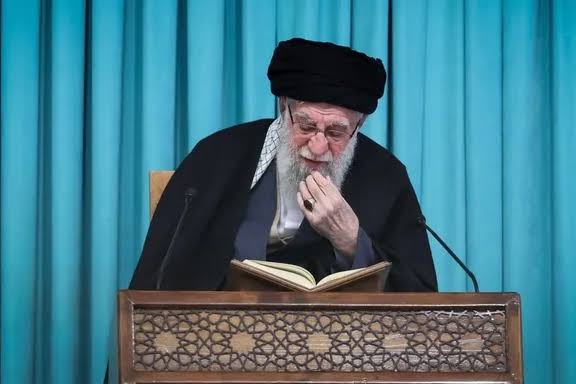
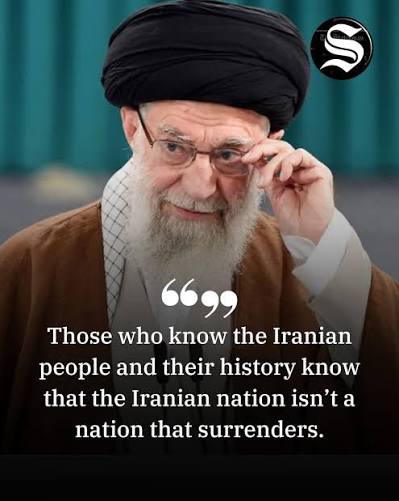
Ayatollah Ali Khamenei, Iran’s Supreme Leader since 1989, is one of the most consequential and controversial figures in modern geopolitics. His leadership has shaped Iran’s domestic structure, foreign policy, and role in regional conflicts — especially with Israel and the United States. In recent years, Iran has endured sanctions, growing internal dissent, and the threat of military escalation in the Middle East, making Khamenei a central figure in global security conversations.
This comprehensive article delves into how Khamenei maintains power in Iran, the tense relations with Israel, the impact of sanctions, and the implications for Middle East stability.
Who Is Ali Khamenei? A Portrait of Power
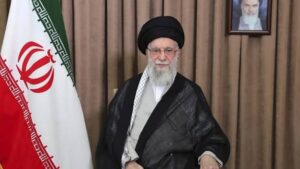
Ayatollah Ali Khamenei serves as Iran’s Supreme Leader, a role he assumed after the death of Ruhollah Khomeini. As the highest authority in the Islamic Republic, Khamenei has final say over political, military, judicial, and media institutions. His control extends well beyond symbolic leadership — he appoints key officials, including heads of the judiciary, military, intelligence services, and state media, centralizing power in his office.
The Structure of Power
Under the constitution, the Supreme Leader:
Oversees all government branches
Commands the nation’s armed forces
Appoints top military and security leaders
Influences Iran’s foreign policy and nuclear strategy
This consolidation of authority makes Khamenei the most powerful leader in Iran, with a direct impact on national and regional affairs.
Iran Under Khamenei: Domestic Control and Security
One of Khamenei’s signature strategies has been to strengthen internal control. This happened through:
Political Suppression and the Revolutionary Guard
The Islamic Revolutionary Guard Corps (IRGC) serves as both a military executor and political enforcer. Khamenei’s leadership has expanded its influence, ensuring loyalty among security forces and reducing political pluralism.
The IRGC and its affiliated groups have immense sway over domestic politics, economic enterprises, and even social movements. This network ensures that any substantial political challenge — whether reformist or anti-government protest — faces swift suppression.
Resistance Economy: Coping With Sanctions
Facing years of global sanctions, Khamenei introduced the concept of a “resistance economy”, a policy designed to build self-sufficiency and circumvent sanctions pressure by developing domestic industries and reducing dependency on imports.
This strategy has had mixed results. While it has helped maintain basic economic functions, it has also contributed to inefficiencies, limited foreign investment, and long-term economic hardship for ordinary Iranians.
Despite these constraints, Khamenei insists that economic resilience is essential to Iran’s sovereignty and survival against external pressure.
Iran’s Foreign Policy and Regional Strategy
Khamenei’s worldview is rooted in Shia Islamism, opposition to Western influence, and strong support for allied movements across the Middle East. His policy emphasizes exporting Iran’s revolutionary ideology and building coalitions against shared adversaries.
Support for Proxy Forces
Under his direction, Iran has supported a network of proxy groups, including:
Hezbollah in Lebanon
Houthi fighters in Yemen
Iraqi militia groups
These alliances help Iran extend its influence without direct military confrontation, though they also contribute to regional instability and draw Iran into wider conflicts.
Rising Tensions With Israel
One of the most pressing geopolitical flashpoints involving Khamenei’s Iran is its strained relations with Israel.
Historical Context
Iran does not recognize Israel and has long spoken against Zionism. Khamenei’s rhetoric has included threats and strong criticism, and Iran has directed political and material support toward groups opposed to Israel.
Proxy Warfare and Direct Conflict
Though much of Iran’s involvement has historically been through proxy forces, tensions escalated in 2025 and beyond. For instance:
Direct conflicts with Israel over nuclear and strategic targets have increased.
Iran’s ballistic missile program serves as a form of deterrence and regional leverage.
Current Escalation: A New Brink
In early 2026, Iran faced coordinated strikes by U.S. and Israeli forces — a significant escalation in long-running tensions and the first major direct military engagement. These attacks were justified by claims of countering Iran’s nuclear ambitions and strategic threats. In retaliation, Iran launched missile strikes on Israeli and U.S. bases in the region, marking a sharp deterioration in regional peace and heightening the risk of broader conflict.
This escalation underscores not only geopolitical competition but also Khamenei’s role as a driver of Iranian foreign policy — prepared to push back against perceived threats, even at great cost.
Global Sanctions and Economic Pressure
Iran has faced a series of sanctions from the United States, European Union, and other actors over nuclear concerns, human rights issues, and support for militant groups. These sanctions have:
Reduced oil export revenues
Restricted access to global banking
Inflated domestic prices
Contributed to rising poverty
The sanctions regime has become a central pillar of pressure on Tehran. In response, Iran has attempted diplomatic engagements and resisted concessions that compromise Khamenei’s core strategic goals.
Despite economic hardship and popular protests, the Supreme Leader continues to reject foreign mandates that limit Iran’s autonomy.
Domestic Dissent and Protests
Throughout Khamenei’s tenure, Iran has witnessed waves of domestic protests over political repression, economic conditions, and social freedoms. Major movements have emerged in:
2009 — Post-election unrest
2017–2018 — Economic protests
2022 — Mahsa Amini protests
2025–2026 — Economic and political unrest under sanctions
These protests reflect deep frustration among Iranians over both government policies and persistent economic stagnation. While tough repression has kept the regime intact, these movements have tested the limits of internal control and challenged Khamenei’s long-standing narrative of stability and national resilience.
Middle East Alert: Implications for Regional Stability
The Middle East is at a critical juncture. Conflicts and shifting alliances make the region more volatile than at any time in recent memory.
Regional Power Realignments
Iran’s role as a key regional player — allied with groups in Iraq, Syria, Yemen, and Lebanon — gives it influence but also invites counter-coalitions. Tensions with Israel, Saudi Arabia, and Gulf states, combined with global powers such as the U.S. and Russia, heighten the risk of broader conflict.
Global Repercussions
If Iran and Israel, backed by U.S. interests, continue to escalate military actions, fallout could include:
Increased refugee flows
Spikes in global oil prices
Disrupted trade routes in the Persian Gulf and Strait of Hormuz
Heightened risk for wider proxy engagements
National and international leaders are closely watching the situation, as any misstep could plunge the region into widespread conflict beyond current boundaries.
FAQs
1. Who is Ali Khamenei?
Ali Khamenei is Iran’s Supreme Leader, holding ultimate authority over the country’s political, military, and religious institutions since 1989.
2. Why is Iran in conflict with Israel?
Iran refuses to recognize Israel and opposes its policies in the region. Under Khamenei, Tehran has supported groups opposed to Israel and engaged in proxy conflicts, which have recently escalated into more direct tensions.
3. How do sanctions affect Iran?
International sanctions have strained Iran’s economy, restricting oil exports, limiting access to global markets, and contributing to inflation and public discontent. Khamenei’s resistance policies aim to counter this through economic self-reliance.
4. What is a resistance economy?
A resistance economy is a strategy championed by Khamenei to make Iran economically resilient against sanctions by boosting local production and reducing import reliance.
5. Could Iran and Israel go to full-scale war?
While recent military engagements raise the risk, experts say a full-scale war would have catastrophic consequences and remains a worst-case scenario. Continued diplomatic efforts aim to prevent total conflict.
Conclusion
Ali Khamenei’s leadership remains a central force shaping Iran’s internal and external policies. From consolidating domestic power to navigating sanctions, sustaining proxy networks, and confronting Israel, Khamenei is both influential and polarizing. The recent escalation with Israel and the United States amplifies concerns about Middle East stability and global economic impacts, making understanding his role critical for anyone tracking international affairs.
As tensions continue, the world watches closely — analyzing whether diplomatic avenues, internal reform, or heightened conflict will define the future of Iran and the region.
How useful was this post?
Click on a star to rate it!
Average rating 0 / 5. Vote count: 0
No votes so far! Be the first to rate this post.
About the Author

usa5911.com
Administrator
Hi, I’m Gurdeep Singh, a professional content writer from India with over 3 years of experience in the field. I specialize in covering U.S. politics, delivering timely and engaging content tailored specifically for an American audience. Along with my dedicated team, we track and report on all the latest political trends, news, and in-depth analysis shaping the United States today. Our goal is to provide clear, factual, and compelling content that keeps readers informed and engaged with the ever-changing political landscape.