Asylum Seeker Crisis: Border Surge, Policy Clash, Global Tension
The asylum seeker crisis has become one of the defining global challenges of the 21st century. From the Americas to Europe and Asia, countries are grappling with rising border crossings, shifting immigration policies, and mounting humanitarian pressures. Governments are balancing national security concerns with humanitarian responsibilities, while millions of displaced individuals continue searching for safety.
Recent global data shows the scale of the crisis. By the end of 2024, more than 123 million people were forcibly displaced worldwide, marking the highest recorded number in modern history.
At the same time, ongoing conflicts, economic instability, and climate-related disasters continue to push vulnerable populations across borders. The result is a growing clash between humanitarian needs and political priorities—creating a situation many experts describe as a “global tension zone.”
This article explores the causes, policies, global reactions, and possible solutions shaping the modern asylum seeker crisis.
The Scale of the Asylum Seeker Crisis
The magnitude of the asylum crisis cannot be overstated. Global displacement figures have steadily increased for more than a decade, driven largely by war, instability, and persecution.
According to international refugee data:
- Over 117 million people were forcibly displaced globally by mid-2025.
- More than 30 million refugees were recorded worldwide by the end of 2025.
- Nearly 6.8 million people were officially classified as asylum seekers, waiting for protection decisions.
These figures highlight the growing backlog of asylum cases in many nations. In some countries, applicants wait years for final decisions, creating uncertainty and long-term instability for families.
The humanitarian implications extend beyond borders. Families often live in temporary shelters, camps, or detention facilities while awaiting legal outcomes. Children, in particular, are disproportionately affected, with the number of displaced children nearly tripling between 2010 and 2024.
Border Surge: Why More People Are Crossing Borders
Border surges are among the most visible signs of the asylum crisis. Several interconnected factors drive these increases.
Conflict and War
Armed conflicts remain the leading cause of displacement. Countries affected by war produce large numbers of refugees seeking safety in neighboring regions.
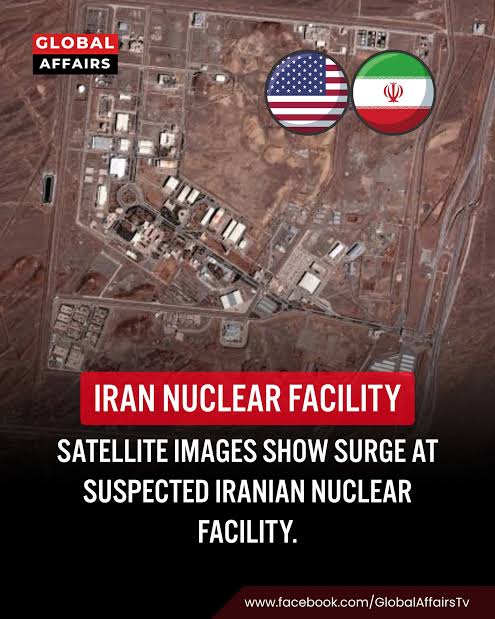
Recent global tensions highlight this trend. For example, regional conflicts involving Iran have raised fears of large-scale refugee movements toward neighboring states and Europe.
Similarly, ongoing instability in regions such as the Sahel and Sudan continues to push people toward safer territories.
Economic Instability
Economic hardship also contributes to migration pressures. When inflation, unemployment, or food insecurity increases, families often leave in search of survival opportunities.
Food crises are especially impactful. Reports show that more than 85 million displaced individuals were living in regions facing severe hunger conditions in 2025.
Climate Change and Natural Disasters
Environmental disasters—floods, droughts, and storms—are emerging drivers of displacement. Although climate refugees are not always legally recognized under asylum laws, their numbers continue to grow.
These factors collectively explain why border crossings surge during periods of global instability.
Policy Clash: Governments Struggle to Respond
Government responses to asylum seekers vary widely. Some nations have tightened border security, while others have emphasized humanitarian protections.
Legal Battles Over Asylum Rights
Recent court decisions demonstrate how immigration policies are often contested in courtrooms.
A major U.S. appeals court recently ruled that suspending asylum access at the southern border violated federal law, reinforcing the legal right to seek asylum.
The ruling triggered strong political reactions, highlighting the ongoing policy clash between border enforcement and humanitarian law.
Stricter Deportation Measures
In Europe and the United Kingdom, governments are exploring stricter deportation policies. Discussions about returning rejected asylum seekers to high-risk regions have raised humanitarian concerns.
For example, officials in the United Kingdom have considered returning some Afghan applicants despite warnings about safety conditions.
These debates underscore how immigration policy has become a central political issue worldwide.
Global Tension: International Impact of Migration
The asylum crisis does not occur in isolation. It affects diplomacy, international relations, and regional stability.
Strain on Border Regions
Countries located near conflict zones often face the greatest pressure. Neighboring states must absorb large numbers of displaced individuals within short periods.
Germany, for instance, temporarily reintroduced border controls in response to continued irregular migration and pressure on asylum systems.
Migration Routes Become Dangerous
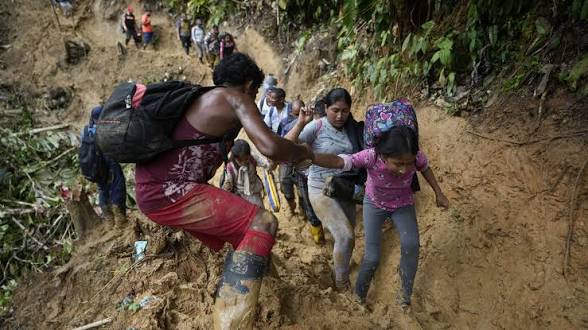
Many asylum seekers travel long distances under dangerous conditions.
Recent data shows that nearly 8,000 migrants died or disappeared while attempting migration journeys in 2025 alone.
This figure highlights the human cost of restrictive policies and unsafe migration routes.
Humanitarian Challenges Facing Asylum Seekers
Beyond politics, the crisis is fundamentally humanitarian. Millions of people face daily survival challenges.
Living Conditions in Camps
Temporary camps are often overcrowded, with limited access to:
- Clean water
- Healthcare
- Education
- Sanitation
Health risks increase significantly under these conditions, especially for children and elderly individuals.
Psychological Impact
Trauma is common among displaced populations. Many refugees experience:
- Violence
- Loss of family members
- Forced displacement
- Uncertainty about the future
Mental health support remains insufficient in many regions.
Regional Hotspots of the Asylum Crisis
Different parts of the world face unique migration challenges.
Europe
Europe remains one of the largest destinations for asylum seekers. More than 20 million displaced individuals were hosted across European regions by the end of 2025.
The European Union continues working on shared migration policies to manage cross-border movement.
Americas
Migration pressures remain intense along North and Central American routes. Thousands of migrants remain stranded in transit zones while waiting for legal decisions or transport opportunities.
Middle East and Africa
These regions host some of the world’s largest refugee populations. Conflicts and economic instability continue to generate new waves of displacement.
Economic Impact of the Asylum Crisis
Hosting asylum seekers carries both costs and opportunities.
Government Spending
Countries invest heavily in:
- Border security
- Housing programs
- Healthcare services
- Legal processing systems
These expenses often spark domestic political debates.
Workforce Contributions
Over time, many refugees contribute positively to host economies. They fill labor shortages, start businesses, and contribute taxes.
Economic research suggests that long-term integration improves national productivity and reduces dependency costs.
The Role of International Organizations
Global institutions play a critical role in managing asylum challenges.
Resettlement Programs
International agencies estimate that 2.5 million refugees will require resettlement support in 2026.
Resettlement programs provide pathways for refugees to move legally to safer countries.
Humanitarian Aid Efforts
Organizations deliver:
- Emergency shelter
- Medical supplies
- Food assistance
- Legal support
Without international cooperation, many regions would struggle to handle displacement crises.
Future Outlook: What Lies Ahead
The asylum seeker crisis is unlikely to disappear soon. Experts predict continued migration pressures due to several ongoing trends.
Rising Global Conflicts
Several geopolitical flashpoints remain active, increasing the risk of further displacement.
Climate Migration Growth
Climate-related disasters are expected to produce new waves of displacement in coming decades.
Policy Reform Efforts
Countries continue exploring:
- Regional cooperation agreements
- Digital asylum systems
- Faster case processing
Reforms may improve efficiency but remain politically contentious.
Solutions: Finding a Sustainable Path Forward
Addressing the asylum crisis requires long-term solutions rather than short-term reactions.
Strengthening Legal Pathways
Legal migration programs reduce reliance on dangerous routes.
Investing in Conflict Prevention
Diplomatic solutions to conflicts reduce the root causes of displacement.
Supporting Host Communities
Financial aid to host countries helps maintain stability and reduces local tensions.
Conclusion: A Defining Global Challenge
The asylum seeker crisis represents more than a migration issue—it reflects deeper global tensions involving conflict, inequality, and governance.
As border surges continue and policies evolve, the world faces difficult decisions about responsibility, compassion, and national security.
Ultimately, the future of asylum policy will shape not only migration patterns but also global stability itself.
FAQs: Asylum Seeker Crisis
What is an asylum seeker?
An asylum seeker is a person who has left their home country and is requesting protection in another country due to persecution, war, or violence.
Why are asylum seekers increasing globally?
Key reasons include armed conflict, economic instability, climate disasters, and political persecution.
Which countries receive the most asylum seekers?
Countries in Europe and North America are major destinations, though neighboring countries to conflict zones host the largest numbers overall.
How many asylum seekers exist worldwide?
By mid-2025, there were nearly 6.8 million asylum seekers globally awaiting legal decisions.
Are asylum seekers the same as refugees?
Not exactly. Asylum seekers are individuals awaiting legal decisions, while refugees have already received official protection status.
What are the biggest challenges facing asylum seekers?
Major challenges include dangerous travel routes, long waiting periods, limited housing, and legal uncertainties.
What solutions can reduce the asylum crisis?
Experts recommend improving legal migration systems, supporting conflict resolution, and increasing international cooperation.
How useful was this post?
Click on a star to rate it!
Average rating 0 / 5. Vote count: 0
No votes so far! Be the first to rate this post.
About the Author

usa5911.com
Administrator
Hi, I’m Gurdeep Singh, a professional content writer from India with over 3 years of experience in the field. I specialize in covering U.S. politics, delivering timely and engaging content tailored specifically for an American audience. Along with my dedicated team, we track and report on all the latest political trends, news, and in-depth analysis shaping the United States today. Our goal is to provide clear, factual, and compelling content that keeps readers informed and engaged with the ever-changing political landscape.