Alito Retirement Buzz: SCOTUS Shakeup, GOP Ready, Power Shift
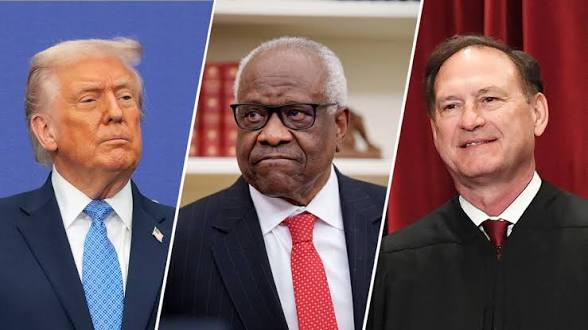
Speculation surrounding the possible retirement of Samuel Alito has become one of the most talked-about political topics in Washington. As a long-serving justice on the Supreme Court of the United States, any decision by Alito to step down could reshape the ideological direction of the court for decades.
The retirement buzz is not just about one individual—it represents a larger political and judicial moment. With Donald Trump expressing readiness to nominate new justices if vacancies arise, political strategists across parties are closely watching developments.
For many observers, the question is not only whether Alito will retire, but how his departure—if it occurs—could shift legal power across the United States.
Understanding Justice Samuel Alito’s Role in SCOTUS
 Alito Retirement Buzz: SCOTUS Shakeup, GOP Ready, Power Shift
Justice Samuel Alito has been a central figure in American jurisprudence since joining the Supreme Court in 2006. Nominated by George W. Bush, Alito replaced Sandra Day O’Connor and became a reliable member of the court’s conservative wing.
Over the years, Alito has authored major opinions on controversial legal topics including gun rights, labor law, and abortion-related decisions. His legal philosophy is often described as “originalist,” meaning he interprets the Constitution based on its original meaning.
His influence extends beyond individual rulings. Analysts frequently credit him with shaping the broader direction of conservative legal thinking in the United States.
Why His Retirement Would Matter
If Alito retires, the consequences would ripple through:
- Constitutional law
- Federal policy interpretation
- Judicial ideology
- Political campaigns
Even a single vacancy on the Supreme Court can define national legal outcomes for decades.
The Origins of the Alito Retirement Buzz
Rumors about Justice Alito stepping down intensified in 2026 after reports circulated about his health and workload. A brief hospital visit for dehydration sparked speculation about his future on the bench, fueling media attention and political commentary.
Additionally, political timing has played a major role in the buzz. Supreme Court retirements are often carefully timed to align with favorable political conditions, ensuring a like-minded successor.
Political Timing and Strategy
Political observers have long noted that justices may retire when:
- Their preferred party controls the presidency
- The Senate majority supports confirmation
- Electoral risks are minimal
Such timing ensures ideological continuity on the court.
GOP Preparedness and Strategic Planning
Republican leaders have openly discussed readiness to confirm a new Supreme Court nominee if a vacancy emerges. This preparedness highlights how seriously political leaders view the possibility of an Alito retirement.
President Donald Trump has indicated he is ready with potential nominees should a seat open, even suggesting he could make multiple Supreme Court picks if vacancies occur.
Why GOP Leaders Are Watching Closely
Several factors explain Republican interest:
- Maintaining conservative judicial dominance
- Securing long-term policy influence
- Avoiding confirmation delays
- Preparing before future elections shift Senate control
Some Senate Democrats, meanwhile, have already vowed to challenge any new nomination, signaling that confirmation battles could be intense.
Current Status: Is Alito Actually Retiring?
Despite intense speculation, recent reports suggest that Justice Alito is not planning to retire this year. Sources close to the court confirmed he has hired law clerks for the upcoming term—often a sign of continued service.
This development has cooled immediate expectations of a vacancy.
However, analysts emphasize that retirement rumors may resurface frequently, especially given Alito’s age and long tenure.
What Experts Are Saying
Political analysts point to the following:
- Retirement speculation is common for senior justices
- Final decisions are rarely announced far in advance
- Political pressure may influence timing
Still, as of now, there is no official confirmation of retirement plans.
The Possible SCOTUS Shakeup Scenario
If Alito were to retire, the impact could be immediate and far-reaching. The president would nominate a replacement, triggering Senate hearings and a high-profile confirmation process.
Such proceedings often dominate national headlines and political debate.
What Could Change on the Court
Potential shifts include:
- Legal interpretation trends
- Voting patterns on controversial issues
- Influence of conservative vs liberal blocs
- Stability of landmark rulings
The Supreme Court currently holds a conservative majority, making each justice’s role highly consequential.
Reports indicate that a vacancy could allow Trump to nominate his fourth Supreme Court justice, further strengthening ideological alignment.
Historical Context: Retirement Timing Matters
The history of Supreme Court retirements reveals patterns shaped by politics and strategy. Past retirements have significantly influenced the court’s balance.
For example:
- Strategic retirements often occur during favorable administrations
- Unexpected deaths or resignations have triggered rapid nominations
- Political backlash sometimes follows controversial appointments
Understanding this historical pattern helps explain why the Alito retirement buzz is taken seriously by policymakers.
Power Shift Concerns Across Washington
One of the biggest fears surrounding the Alito retirement buzz is the possibility of a major power shift within the federal judiciary.
A new justice could:
- Expand conservative legal influence
- Reinforce existing precedents
- Influence major constitutional rulings
This potential power shift explains why both parties are preparing for the possibility—even without confirmation of retirement.
Some Republican strategists have expressed frustration that senior justices are not stepping down quickly, fearing political opportunities could be lost if Senate control changes after elections.
The Role of Senate Confirmation Battles
No Supreme Court nomination occurs without Senate approval. This stage often becomes the most politically intense part of the process.
Confirmation hearings involve:
- Background investigations
- Public testimony
- Legal scrutiny
- Media coverage
Senators may vote strictly along party lines, especially in politically polarized environments.
If Alito retires, confirmation battles are expected to dominate political discourse.
Public Reaction and Media Attention
Public interest in the Alito retirement buzz has grown dramatically across news platforms and social media.
Several factors explain the surge in attention:
- Increased political polarization
- Landmark Supreme Court decisions
- Growing interest in judicial transparency
Media coverage often fuels speculation, even without official confirmation.
At the same time, some analysts warn against assuming retirement decisions prematurely.
Possible Successors: Who Could Replace Alito?
Although no official nominee exists, political insiders frequently discuss potential candidates.
Likely criteria include:
- Conservative judicial philosophy
- Prior federal court experience
- Strong Senate support
- Minimal confirmation controversy
Speculation around successor names often becomes a political topic itself, shaping campaign narratives.
How the Alito Retirement Buzz Affects Elections
Supreme Court vacancies frequently become major election issues.
Candidates may campaign on:
- Judicial philosophy
- Constitutional rights
- Court reform proposals
This dynamic ensures that retirement speculation influences not only legal discussions but also electoral strategies.
Political analysts believe that court vacancies can energize voter turnout on both sides.
Impact on Major Legal Issues
If Alito retires and a new justice joins the court, several legal areas could be affected:
Key Areas to Watch
- Abortion rights
- Gun regulations
- Federal authority
- Immigration law
- Religious freedom
These areas often produce closely divided decisions, making every justice’s vote crucial.
The Broader Debate: Should Justices Have Term Limits?
The Alito retirement buzz has revived discussions about judicial term limits.
Some policymakers argue that lifetime appointments:
- Encourage strategic retirements
- Increase political tension
- Limit generational diversity
Others believe lifetime service protects judicial independence.
Term-limit proposals have gained attention but would require constitutional changes to implement.
The Future of the Supreme Court
Whether or not Alito retires soon, the debate surrounding his future highlights deeper concerns about the structure of the judiciary.
Legal experts predict:
- Continued retirement speculation
- Ongoing political preparation
- Intensified public interest
The future direction of the Supreme Court remains closely tied to these developments.
What Happens Next?
Several outcomes remain possible:
- Alito continues serving without retirement
- Retirement occurs later in a politically strategic year
- Unexpected events trigger vacancy
Each scenario carries different implications for American law and politics.
For now, the situation remains fluid and closely watched.
FAQs
1. Is Justice Samuel Alito retiring in 2026?
No confirmed plans currently indicate retirement. Sources report he is expected to continue serving and has hired law clerks for the upcoming term.
2. Why is there so much speculation about Alito retiring?
Speculation increased due to health reports, political timing, and ongoing discussions about Supreme Court vacancies.
3. Who would replace Alito if he retires?
The U.S. president would nominate a replacement, and the Senate would vote to confirm the nominee.
4. How would Alito’s retirement affect the Supreme Court?
It could shift the ideological balance of the court and influence major legal decisions.
5. Could Trump appoint another Supreme Court justice?
Yes—if a vacancy occurs, he has stated readiness to nominate replacements.
6. Why does Supreme Court retirement timing matter?
Timing affects political strategy and ensures alignment with supportive leadership.
7. Are lifetime Supreme Court appointments permanent?
Justices serve for life unless they retire, resign, or are impeached.
8. Has Alito publicly announced retirement plans?
No official announcement has been made.
Conclusion
The Alito retirement buzz reflects more than speculation about one justice—it signals a potential turning point in American legal and political history. Whether or not Justice Samuel Alito retires soon, the conversations surrounding his future demonstrate the immense influence of Supreme Court appointments on national policy, elections, and governance.
As political leaders prepare for possible vacancies, the Supreme Court remains at the center of America’s most significant constitutional debates.
How useful was this post?
Click on a star to rate it!
Average rating 0 / 5. Vote count: 0
No votes so far! Be the first to rate this post.
About the Author

usa5911.com
Administrator
Hi, I’m Gurdeep Singh, a professional content writer from India with over 3 years of experience in the field. I specialize in covering U.S. politics, delivering timely and engaging content tailored specifically for an American audience. Along with my dedicated team, we track and report on all the latest political trends, news, and in-depth analysis shaping the United States today. Our goal is to provide clear, factual, and compelling content that keeps readers informed and engaged with the ever-changing political landscape.