Strait of Hormuz Crisis: US Blockade, Oil Shock, Global Tension
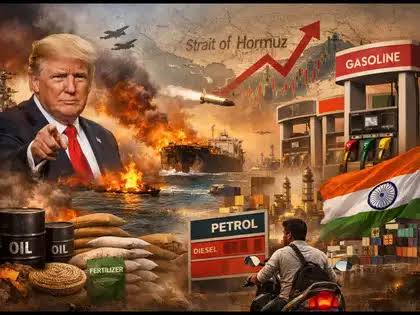
The Strait of Hormuz crisis has rapidly escalated into one of the most dangerous global flashpoints of 2026. A U.S. naval blockade targeting Iranian shipping has shaken energy markets, triggered an oil shock, and raised fears of wider conflict. Governments, investors, and citizens across the world are watching closely as the situation unfolds.
This narrow waterway, responsible for transporting a large portion of global oil supply, has become the center of military tension and economic uncertainty. With oil prices rising and shipping routes disrupted, the consequences of the Strait of Hormuz crisis are being felt far beyond the Middle East.
This article explores the background, escalation, global impact, and future risks surrounding the Strait of Hormuz crisis.
What Is the Strait of Hormuz and Why It Matters
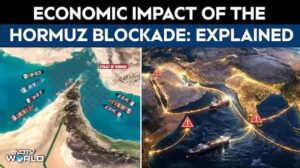
The Strait of Hormuz is one of the most critical maritime chokepoints in the world. It connects the Persian Gulf to the Arabian Sea and serves as a major route for global energy exports.
Around 20% of the world’s oil and liquefied natural gas passes through the Strait of Hormuz each day, making it essential to global trade and energy security.
Disruptions in this region can quickly affect global oil prices, transportation costs, and even food supplies. Higher energy prices often lead to higher fertilizer and shipping costs, which eventually impact household budgets worldwide.
Because of its strategic importance, even small military tensions in the Strait of Hormuz can trigger massive market reactions.
How the Strait of Hormuz Crisis Began
The current crisis traces back to rising military tensions between the United States and Iran earlier in 2026. The conflict intensified after airstrikes and retaliatory actions led Iran to restrict maritime traffic.
In response to escalating threats, Iran effectively shut down or restricted shipping through the strait. The disruption quickly led to panic in global markets as shipping companies halted operations.
Following failed peace negotiations, the United States launched military operations aimed at reopening the waterway and securing maritime access.
When talks collapsed, the United States imposed a naval blockade beginning April 13, 2026, targeting vessels entering Iranian ports.
This move marked a major turning point in the crisis and significantly increased global tensions.
The US Blockade: What It Means
The U.S. blockade focuses primarily on Iranian shipping routes rather than fully closing the international waterway.
Military officials stated that the operation is designed to limit Iran’s ability to export oil and conduct maritime operations. The blockade allows most international vessels to pass while restricting ships associated with Iran.
However, Iran has warned that military presence near its waters could be considered hostile action, increasing the risk of escalation.
Recent developments show that U.S. forces have expanded enforcement operations, including monitoring vessels worldwide suspected of transporting Iranian oil.
Meanwhile, some sanctioned tankers have still entered the Gulf, testing the strength of enforcement measures.
These developments highlight how volatile and unpredictable the situation remains.
Oil Shock: Why Prices Are Rising
The Strait of Hormuz crisis has already triggered one of the most significant oil price surges in recent years.
Oil markets reacted immediately to disruptions, pushing crude prices sharply higher. In some cases, physical oil cargo prices surged close to $149 per barrel, reflecting panic buying and supply shortages.
Brent crude and West Texas Intermediate oil benchmarks have also risen due to uncertainty over shipping routes and reduced supply availability.
The global oil market is particularly vulnerable because many countries depend heavily on Middle Eastern exports.
Even temporary disruptions can lead to long-term economic consequences.
Global Economic Impact of the Crisis
The Strait of Hormuz crisis is not just a military issue—it is also a major economic challenge.
Higher oil prices affect multiple sectors simultaneously, including:
- Transportation
- Manufacturing
- Agriculture
- Aviation
- Shipping
When fuel costs rise, airlines often increase ticket prices. Shipping companies pass increased costs onto businesses, which then raise prices for consumers.
Experts warn that the crisis could lead to inflation and economic slowdown if disruptions continue.
Some analysts have compared the situation to the oil shocks of the 1970s, which triggered global recessions and widespread economic instability.
This comparison highlights the seriousness of the current situation.
Impact on Global Trade and Supply Chains
Supply chains rely heavily on predictable shipping routes. When a key route like the Strait of Hormuz becomes unstable, the entire system is affected.
Shipping companies may:
- Delay cargo shipments
- Cancel deliveries
- Seek alternative routes
- Increase insurance costs
These disruptions lead to delays in goods reaching markets.
Countries that rely heavily on imported energy are particularly vulnerable.
Developing economies face the greatest risks because they have fewer financial resources to absorb sudden price increases. Rising transportation costs may also push food prices higher in vulnerable regions.
This ripple effect shows how a regional conflict can trigger global consequences.
Rising Military Tensions and Risk of Escalation
Military activity in the Strait of Hormuz continues to increase.
Iran has reportedly used drones, mines, and missile systems to threaten shipping routes. In response, the United States has increased naval presence in the region.
Officials warned that failure to comply with U.S. demands could lead to strikes on Iranian infrastructure, signaling a potential escalation in military operations.
At the same time, regional allies and international powers are closely monitoring developments.
Some countries fear that direct military confrontation could spark a broader regional war involving multiple nations.
Such an outcome would significantly worsen global instability.
Diplomatic Efforts and Failed Peace Talks
Diplomatic negotiations have been ongoing but remain fragile.
Recent peace talks attempted to reduce tensions and restore safe passage through the Strait of Hormuz. However, disagreements between key parties prevented a lasting agreement.
Negotiations are now focusing on temporary arrangements designed to prevent further escalation rather than full peace settlements.
Some analysts believe diplomatic pressure from global powers may eventually force compromise.
Others fear that continued military actions could derail negotiations entirely.
Impact on Energy Security Worldwide
Energy security has become a major concern as the Strait of Hormuz crisis unfolds.
Countries that rely heavily on Middle Eastern oil imports face immediate risks. Some governments have begun increasing strategic reserves to prepare for prolonged disruption.
Energy shortages can affect electricity generation, transportation, and industrial production.
In extreme scenarios, governments may impose fuel rationing to conserve supplies.
Fuel shortages can also lead to social unrest in regions where energy costs rise rapidly.
The crisis highlights the importance of diversifying energy sources and investing in renewable technologies.
Impact on India and Asia
Asian economies are among the most exposed to the Strait of Hormuz crisis.
Many countries in Asia import significant amounts of crude oil from the Middle East. Disruptions in shipping routes could increase fuel costs across the region.
India, China, Japan, and South Korea rely heavily on oil transported through the strait.
Higher fuel prices in India could affect:
- Transportation costs
- Electricity generation
- Food prices
- Manufacturing expenses
These economic pressures could reduce growth and increase inflation.
The crisis serves as a reminder of how geopolitical tensions can directly impact everyday life.
Possible Future Scenarios
Several outcomes are possible as the Strait of Hormuz crisis continues.
1. Diplomatic Resolution
A negotiated agreement could reopen shipping routes and reduce tensions.
This outcome would stabilize oil markets and restore confidence.
2. Prolonged Standoff
The blockade could continue for months without major military escalation.
In this scenario, oil prices would likely remain volatile.
3. Military Escalation
Direct conflict between major forces could dramatically worsen the situation.
This outcome would likely trigger severe global economic disruption.
Each scenario carries different risks and consequences.
Why the Strait of Hormuz Crisis Matters Globally
The Strait of Hormuz crisis is not just a regional conflict—it is a global concern.
Because the world economy relies heavily on stable energy supplies, disruptions in this region can affect nearly every country.
From rising fuel prices to geopolitical instability, the ripple effects of this crisis are far-reaching.
Governments, businesses, and citizens must prepare for potential changes in the global economy.
The situation remains fluid, and developments could change rapidly.
Key Takeaways From the Strait of Hormuz Crisis
- The U.S. imposed a naval blockade beginning April 13, 2026.
- Oil prices surged sharply due to supply fears.
- Global trade routes face major disruptions.
- Diplomatic talks have yet to produce lasting peace.
- The risk of military escalation remains high.
These factors make the Strait of Hormuz crisis one of the most significant geopolitical events of the decade.
Frequently Asked Questions (FAQs)
What is the Strait of Hormuz crisis?
The Strait of Hormuz crisis refers to escalating military tensions and shipping disruptions in the strategic waterway connecting the Persian Gulf to global trade routes.
Why did the US impose a blockade?
The United States imposed a blockade to restrict Iranian maritime activity after failed peace negotiations and rising regional threats.
How does the crisis affect oil prices?
Oil prices rise because supply routes are disrupted, reducing available global supply and increasing demand pressure.
Why is the Strait of Hormuz important?
The strait handles about 20% of global oil shipments, making it one of the most important energy routes in the world.
Could the crisis lead to war?
Yes. Continued escalation between major powers could result in broader military conflict if diplomacy fails.
How does the crisis affect everyday people?
Higher fuel prices increase transportation and food costs, affecting household budgets worldwide.
Will oil prices keep rising?
Oil prices may continue rising if disruptions persist, but diplomatic progress could stabilize markets.
Final Thoughts
The Strait of Hormuz crisis has rapidly become a defining geopolitical event of 2026. With global energy supplies under pressure and military tensions rising, the world faces a period of heightened uncertainty.
Whether the situation stabilizes or escalates will depend largely on diplomatic efforts and military restraint. For now, governments, markets, and citizens remain on high alert as one of the world’s most vital waterways stands at the center of global tension.
How useful was this post?
Click on a star to rate it!
Average rating 0 / 5. Vote count: 0
No votes so far! Be the first to rate this post.
About the Author

usa5911.com
Administrator
Hi, I’m Gurdeep Singh, a professional content writer from India with over 3 years of experience in the field. I specialize in covering U.S. politics, delivering timely and engaging content tailored specifically for an American audience. Along with my dedicated team, we track and report on all the latest political trends, news, and in-depth analysis shaping the United States today. Our goal is to provide clear, factual, and compelling content that keeps readers informed and engaged with the ever-changing political landscape.