Estados Unidos: Policy Shift, War Tension, Economy Pressure, Global Power Surge
The role of Estados Unidos (United States) in global politics is undergoing a profound transformation. From foreign policy realignments to rising military conflicts and economic challenges, the nation stands at a crossroads that could redefine its global leadership.
In 2026, the United States is facing mounting pressure on several fronts. War tensions in the Middle East, escalating trade disputes, global economic uncertainty, and shifting alliances are reshaping the international order. Financial markets are reacting nervously, governments are adjusting strategies, and geopolitical rivals are seizing opportunities.
Recent developments suggest that American policy decisions are no longer just domestic matters—they are shaping global markets, security alliances, and the balance of power among nations.
Understanding the Policy Shift in Estados Unidos
From Global Leadership to Strategic Realignment
For decades, the United States has been a dominant force in global diplomacy and security. However, recent policy decisions reflect a shift toward more aggressive and transactional strategies.
New military deployments and geopolitical maneuvers demonstrate a willingness to act decisively in areas considered strategic risks. In early 2026, the United States carried out one of its largest military buildups in the Middle East in years, deploying air, naval, and missile defense forces amid rising tensions with Iran.
This shift reflects a broader approach prioritizing national security, supply chain independence, and strategic deterrence.
Rise of Strategic Competition
Global competition—especially with China—has intensified significantly. Trade conflicts, technological rivalry, and energy competition are now central elements of U.S. foreign policy.
Recent reports show that China has increased its global influence through renewable energy technology exports, especially as war-related disruptions pushed nations to accelerate clean energy transitions.
This competition is redefining alliances and forcing many countries to reconsider their strategic partnerships.
War Tension and Military Expansion
The Middle East Crisis
One of the biggest factors influencing U.S. policy is rising military conflict in the Middle East.
In early 2026, escalating tensions between the United States and Iran led to large-scale military actions. These operations followed a period of diplomatic breakdown and rising threats related to nuclear development and regional instability.
Recent threats targeting critical infrastructure, including power plants and bridges, further intensified regional tensions and raised fears of a wider war.
Global Security Risks
The impact of these conflicts extends far beyond the Middle East.
Security experts warn that continued escalation could destabilize global trade routes and threaten oil supplies. The Strait of Hormuz, a critical shipping route for global energy, remains a key strategic chokepoint affecting world markets.
Military movements have also raised concerns among U.S. allies, particularly in Asia, where fears of reduced American presence have grown due to Middle East commitments.
Economic Pressure on Estados Unidos
Inflation and Interest Rate Risks
War and geopolitical tensions have direct economic consequences.
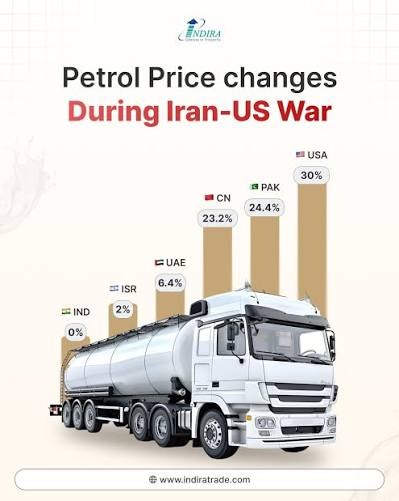
Financial leaders warn that continued conflict could increase inflation due to rising oil and commodity prices. These increases would likely push interest rates higher, affecting borrowing costs for businesses and consumers.
The U.S. Federal Reserve faces a difficult balancing act between controlling inflation and maintaining employment stability. Economic policymakers are adopting a cautious stance as global uncertainty grows.
Growth Forecast Challenges
Despite strong consumer spending and business investment, economic forecasts suggest slower growth ahead.
Analysts predict that geopolitical conflicts and energy disruptions will reduce global growth rates and increase fiscal pressure on governments. Global GDP growth is expected to decline to around 2.6% in 2026, reflecting war-related economic shocks.
Meanwhile, U.S. GDP growth is projected at approximately 2.2% in 2026, showing resilience but also signs of slowing momentum.
Trade Wars and Supply Chain Disruptions
North American Trade Tensions
Trade policies have become another major source of pressure.
In 2025, the United States imposed widespread tariffs on imports from Canada and Mexico, triggering retaliatory measures and disrupting supply chains. Economists warned that these actions would increase consumer prices and create instability across North American markets.
Such trade disputes demonstrate how economic policies can quickly become geopolitical issues.
Global Supply Chain Realignment
Modern supply chains depend on international cooperation. However, geopolitical tensions are forcing businesses to rethink sourcing strategies.
Research indicates that U.S.–China trade conflicts have reshaped global supply networks, pushing companies to diversify production across multiple countries.
These shifts may lead to long-term changes in manufacturing and global trade patterns.
Global Power Competition Intensifies
Rivalry with China
The United States is facing increasing competition from China in multiple sectors, including technology, manufacturing, and energy.
China’s growing dominance in renewable energy markets has positioned it as a key beneficiary of global energy transitions. Many countries now rely on Chinese technology for solar panels, batteries, and electric vehicles.
This shift highlights the growing complexity of global power dynamics.
Alliance Challenges
Traditional alliances are also under pressure.
European nations have expressed concerns about unpredictable U.S. policies, prompting calls for stronger regional cooperation and reduced reliance on American leadership.
Such developments suggest a gradual move toward a more multipolar world.
Domestic Policy and Fiscal Pressure
Rising Government Spending
Military operations, infrastructure investments, and economic support programs have significantly increased government spending.
High deficits pose long-term challenges, particularly if economic growth slows. Experts warn that persistent deficits could reduce financial flexibility during future crises.
Labor Market and Employment Impact
Trade conflicts and economic uncertainty also affect employment.
Studies suggest that tariff increases can lead to job losses and reduced export opportunities, especially for industries dependent on international trade.
This highlights the delicate balance between protectionism and economic stability.
Technology, Innovation, and Strategic Advantage
The Race for Technological Leadership
Technology remains a central pillar of U.S. global power.
Investments in artificial intelligence, cybersecurity, and defense systems aim to maintain technological superiority. These sectors are considered critical for national security and economic competitiveness.
However, geopolitical tensions have disrupted international collaboration in research and development, affecting funding and innovation cycles.
Energy Strategy Transformation
Energy policy is another major focus area.
Rising geopolitical tensions have increased demand for alternative energy solutions, creating new economic opportunities and technological challenges. Countries investing heavily in renewable energy are gaining competitive advantages in global markets.
Impact on Global Markets
Stock Market Volatility
Financial markets are highly sensitive to geopolitical developments.
Investors closely monitor war developments and policy changes, as uncertainty increases risk levels across markets. Rising tensions in key regions have already caused fluctuations in global stock indices.
Energy Market Instability
Energy markets are particularly vulnerable to conflict.
Disruptions in major shipping routes can quickly drive oil prices higher, affecting transportation, manufacturing, and consumer costs worldwide.
Experts believe that continued instability in energy supply chains could reshape global economic priorities.
Global Reactions to U.S. Policy Changes
European Response
European leaders are adjusting strategies to manage uncertainty.
Many countries are strengthening internal cooperation and defense capabilities to reduce reliance on U.S. military support.
This shift reflects growing concerns about the predictability of American foreign policy.
Asian Strategic Adjustments
Asian nations are also reassessing alliances.
Countries dependent on U.S. security guarantees fear that prolonged conflicts in the Middle East could reduce American military presence in Asia.
Such concerns could accelerate regional military expansion.
Future Outlook: What Lies Ahead for Estados Unidos
Potential Scenarios
Several possible outcomes could shape the future:
- Stabilization Through Diplomacy
Negotiations could reduce tensions and restore economic stability. - Extended Conflict Scenario
Prolonged wars could weaken alliances and increase global instability. - Economic Realignment
Structural changes in trade and technology may redefine global leadership.
Each scenario carries risks and opportunities.
Long-Term Implications
The long-term effects of policy shifts may include:
- A more fragmented global economy
- Increased military spending worldwide
- Accelerated technological competition
- Emergence of new global alliances
These trends suggest that the coming decade will be defined by strategic competition rather than cooperation.
Why Estados Unidos Still Matters Globally
Despite growing challenges, the United States remains one of the world’s most influential nations.
Its economy, military capabilities, technological leadership, and cultural influence continue to shape global developments. Even as rivals rise, American policies still have immediate worldwide consequences.
However, maintaining leadership will require balancing power with diplomacy, economic stability, and international cooperation.
Conclusion
The evolving role of Estados Unidos reflects a world entering a new era of geopolitical competition. Policy shifts, military tensions, and economic challenges are converging to reshape the global order.
While the United States continues to hold immense power, its future influence will depend on how effectively it navigates war risks, economic pressures, and international alliances.
The coming years will likely define not only America’s future but also the direction of global stability and prosperity.
FAQs
1. What is causing the policy shift in Estados Unidos?
The shift is driven by rising global competition, military conflicts, trade disputes, and the need to secure national interests and supply chains.
2. How do war tensions affect the U.S. economy?
War tensions increase oil prices, raise inflation risks, disrupt trade routes, and create financial market volatility.
3. Why is the Middle East important to U.S. strategy?
The region contains critical energy routes and geopolitical allies, making it essential for global economic stability.
4. How are trade wars affecting global markets?
Tariffs and retaliatory measures disrupt supply chains, increase costs, and reduce international trade efficiency.
5. Is the United States losing global power?
Not necessarily, but global competition is increasing, making leadership more complex and contested.
6. What industries are most affected by policy changes?
Energy, technology, defense, manufacturing, and finance sectors are among the most impacted.
7. How does global competition impact U.S. alliances?
Rising competition forces allies to diversify partnerships and strengthen regional cooperation.
8. What is the future outlook for the United States?
The future depends on diplomatic success, economic resilience, and strategic adaptation to global challenges.
How useful was this post?
Click on a star to rate it!
Average rating 0 / 5. Vote count: 0
No votes so far! Be the first to rate this post.
About the Author

usa5911.com
Administrator
Hi, I’m Gurdeep Singh, a professional content writer from India with over 3 years of experience in the field. I specialize in covering U.S. politics, delivering timely and engaging content tailored specifically for an American audience. Along with my dedicated team, we track and report on all the latest political trends, news, and in-depth analysis shaping the United States today. Our goal is to provide clear, factual, and compelling content that keeps readers informed and engaged with the ever-changing political landscape.