Randy George: US Army, Defense Policy, War Strategy, Security Surge
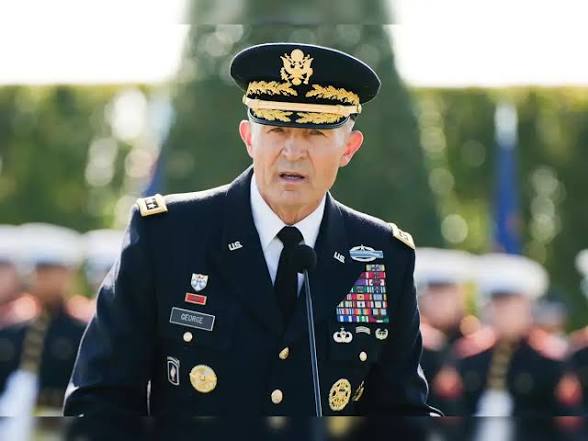
Randy George has emerged as a central figure in modern U.S. military leadership, representing a critical phase of transformation in the United States Army. As the 41st Chief of Staff, his tenure reflects a period defined by technological change, global conflict, and strategic recalibration.
From battlefield experience in Iraq and Afghanistan to high-level Pentagon leadership, George’s career embodies the evolving nature of warfare. His influence spans defense policy, military modernization, and war strategy, all of which are shaping the future of U.S. national security.
Recent developments, including his sudden departure amid Pentagon restructuring, have further amplified interest in his leadership and legacy.
Who Is Randy George?
Randy George is a four-star general born in 1964, with decades of service in the U.S. military. He began his journey as an enlisted soldier before graduating from the United States Military Academy and commissioning as an infantry officer.
Key Highlights:
- Served in the Gulf War, Iraq War, and Afghanistan War
- Commanded major formations like the 4th Infantry Division and I Corps
- Became Vice Chief of Staff (2022–2023) before leading the Army
- Appointed Chief of Staff in September 2023
His leadership style is often described as operationally grounded, combining combat experience with strategic foresight.
Leadership of the US Army
Role and Responsibilities
As Chief of Staff, George was responsible for:
- Organizing, training, and equipping the Army
- Advising civilian leadership on military strategy
- Preparing forces for future conflicts
This role places him at the center of U.S. defense planning and global military operations.
Defense Policy Under Randy George
George’s tenure aligned with a major shift in U.S. defense priorities.
1. Military Modernization
One of his key initiatives was transforming the Army for future warfare, emphasizing:
- Artificial intelligence
- Drone warfare capabilities
- Long-range precision weapons
He warned that “the battlefield is changing as fast as technology,” pushing for rapid adaptation.
2. Army Transformation Initiative
In 2025, George launched a sweeping restructuring effort aimed at:
- Reducing inefficiencies
- Streamlining command structures
- Integrating new technologies
This initiative has been described as the biggest Army overhaul in decades.
War Strategy and Global Security Focus
Preparing for Future Conflicts
George emphasized readiness for:
- Near-peer conflicts (e.g., major global powers)
- Hybrid warfare combining cyber and conventional tactics
- Rapid deployment scenarios
Middle East and Global Tensions
His leadership coincided with heightened global tensions, including U.S. military operations abroad. Reports indicate leadership changes occurred during active conflict scenarios, highlighting the strategic pressure on military leadership.
Strategic Innovations
1. Command Restructuring
George initiated major organizational changes, including:
- Creation of new commands
- Merging existing structures for efficiency
- Reducing bureaucratic overhead
2. Focus on Technology
He prioritized:
- Data-driven warfare
- Advanced communication systems
- Integrated battlefield networks
3. Recruitment and Force Strength
Addressing recruitment challenges was another key priority, ensuring:
- A capable and ready force
- Retention of skilled personnel
Leadership Style and Vision
George is known for:
- Encouraging innovation
- Challenging traditional military structures
- Promoting adaptability
His leadership philosophy centered on speed, flexibility, and modernization, aligning with the demands of 21st-century warfare.
Recent Pentagon Shake-Up and Exit
In April 2026, George’s tenure took a dramatic turn when he was asked to step down by Defense Secretary Pete Hegseth.
Key Developments:
- Immediate retirement announced
- Occurred during ongoing military operations
- Part of a broader leadership reshuffle
This move was considered highly unusual, especially during wartime, and sparked debate about military stability and political influence.
Impact on US Defense Policy
George’s departure raises critical questions:
- Will modernization efforts continue?
- How will leadership changes affect strategy?
- What does this mean for global security dynamics?
The transition highlights the delicate balance between military leadership and political direction.
Legacy of Randy George
Despite the abrupt end to his tenure, George’s impact remains significant.
Key Contributions:
- Modernizing the Army
- Driving technological integration
- Restructuring military commands
- Preparing forces for future conflicts
His reforms are likely to influence U.S. military strategy for years to come.
The Future of US Army Strategy
The U.S. Army continues to evolve, focusing on:
- Multi-domain operations
- Cyber and space warfare
- Global deterrence strategies
George’s initiatives laid the groundwork for these developments, even as leadership changes reshape priorities.
Conclusion
Randy George represents a transformative era in U.S. military leadership. His focus on modernization, strategic readiness, and innovation positioned the Army for future challenges.
While his sudden departure adds uncertainty, his influence on defense policy and war strategy remains deeply embedded in the structure of the U.S. military.
As global tensions rise and warfare evolves, the legacy of leaders like George will continue to shape the future of national and international security.
FAQs
1. Who is Randy George?
Randy George is a U.S. Army general who served as the 41st Chief of Staff, leading the Army from 2023 until his retirement in 2026.
2. What is Randy George known for?
He is known for modernizing the Army, launching the Army Transformation Initiative, and focusing on future warfare technologies.
3. Why did Randy George step down?
He stepped down in April 2026 following a request from Defense Secretary Pete Hegseth amid a broader Pentagon leadership reshuffle.
4. What are his major achievements?
- Army restructuring
- Technological modernization
- Strategic defense planning
5. What impact did he have on US defense policy?
He shifted focus toward innovation, readiness, and adapting to modern warfare challenges.
6. What happens next for the US Army?
The Army will continue evolving under new leadership, building on modernization efforts initiated during George’s tenure.
How useful was this post?
Click on a star to rate it!
Average rating 0 / 5. Vote count: 0
No votes so far! Be the first to rate this post.
About the Author

usa5911.com
Administrator
Hi, I’m Gurdeep Singh, a professional content writer from India with over 3 years of experience in the field. I specialize in covering U.S. politics, delivering timely and engaging content tailored specifically for an American audience. Along with my dedicated team, we track and report on all the latest political trends, news, and in-depth analysis shaping the United States today. Our goal is to provide clear, factual, and compelling content that keeps readers informed and engaged with the ever-changing political landscape.