John Sauer Case: Trump Legal Fight, Immunity Clash, Courtroom Power Surge
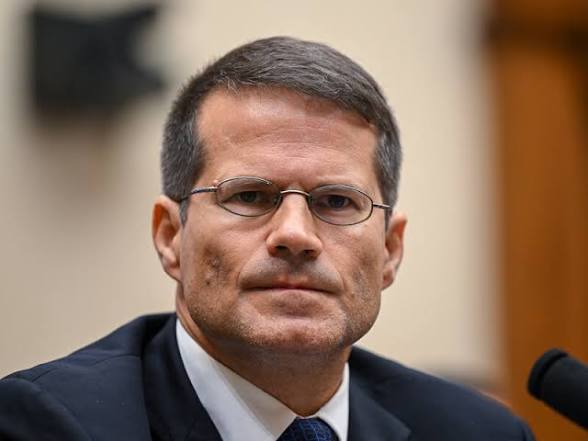
The John Sauer case has become one of the most defining legal moments in modern American political history. At the center of this high-stakes courtroom drama is D. John Sauer, the attorney who argued on behalf of Donald Trump in a landmark immunity dispute before the Supreme Court of the United States.
This legal clash, tied to the historic case Trump v. United States, has not only reshaped the interpretation of presidential immunity but also ignited fierce debates about executive power, accountability, and democracy.
In this comprehensive article, we explore the origins, arguments, ruling, implications, and future impact of the John Sauer case—an event that continues to influence global political and legal discourse.
Understanding the John Sauer Case
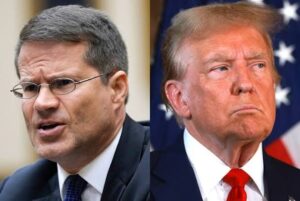
The “John Sauer case” refers to the legal battle where Sauer represented Trump in defending the claim that a sitting or former president should have immunity from criminal prosecution for actions taken while in office.
This dispute arose from federal charges alleging that Trump attempted to overturn the results of the 2020 U.S. presidential election. Trump’s legal team argued that these actions fell within his official duties as president.
At the heart of Sauer’s argument was a bold constitutional interpretation:
- A president must be free to act without fear of prosecution
- Criminal liability could undermine executive decision-making
- Impeachment should be the primary mechanism for accountability
Sauer’s courtroom strategy focused heavily on separation of powers, a foundational principle in U.S. governance.
The Immunity Clash: Core Legal Arguments
1. Sauer’s Argument for Absolute Immunity
During court proceedings, Sauer argued that presidential immunity is essential for maintaining executive authority.
He suggested that:
- Presidents should not face prosecution for official acts
- Criminal charges could be politically motivated
- Impeachment and conviction must come before prosecution
In a controversial moment, Sauer argued that even extreme scenarios could fall under immunity unless impeachment occurred first.
This argument shocked many legal observers and became a focal point of the debate.
2. Opposition Argument: No One Above the Law
Opposing attorneys argued that:
- The Constitution does not explicitly grant criminal immunity
- Allowing immunity risks unchecked presidential power
- Former presidents should be treated like ordinary citizens
Lower courts initially rejected Trump’s immunity claim, stating that former presidents are not shielded from criminal prosecution.
Supreme Court Showdown
The legal battle escalated to the Supreme Court, where the justices faced a historic question:
👉 Can a former president be prosecuted for actions taken while in office?
The Court’s decision in Trump v. United States (2024) became a landmark ruling.
The Landmark Ruling Explained
The Supreme Court delivered a nuanced and controversial judgment:
Key Takeaways
- Absolute immunity for core constitutional powers
- Presumptive immunity for official acts
- No immunity for unofficial or private actions
This meant that not all presidential actions are protected—only those tied to official duties.
The Court sent the case back to lower courts to determine which of Trump’s actions qualified as “official.”
Why This Case Matters
1. Redefining Presidential Power
The ruling significantly expanded the legal protection available to presidents.
It reinforced the idea that:
- The presidency is a unique constitutional role
- Executive decisions require legal protection
- Courts must carefully evaluate presidential conduct
However, critics argue that this creates a dangerous precedent.
2. Legal Uncertainty
One major issue is the ambiguity around “official acts.”
The Court did not clearly define:
- What counts as an official duty
- Where the boundary lies between public and private actions
This has left lower courts with complex decisions and opened the door for future litigation.
3. Political Impact
The ruling had immediate political consequences:
- It delayed Trump’s trial related to election interference
- It strengthened his legal defense strategy
- It became a major talking point in U.S. elections
Some analysts believe it shifted the balance between law and politics.
John Sauer’s Rising Influence
Following the case, Sauer’s legal stature rose dramatically.
- He successfully argued one of the most consequential constitutional cases in decades
- He was later nominated and confirmed as U.S. Solicitor General
- He continues to play a major role in Supreme Court litigation
Sauer’s performance in this case cemented his reputation as a powerful legal strategist.
Criticism and Controversy
The ruling sparked intense debate across political and legal communities.
Critics Say:
- It puts presidents above the law
- It weakens accountability
- It could enable abuse of power
Supporters Say:
- It protects the presidency from political prosecution
- It maintains separation of powers
- It ensures stability in governance
The divide reflects broader ideological differences in the U.S.
Global Implications
The John Sauer case has implications beyond the United States.
Countries around the world are watching closely:
- It may influence how executive immunity is interpreted globally
- It raises questions about democratic accountability
- It highlights tensions between power and responsibility
Legal scholars have called it a “defining moment” for constitutional law.
Future of the Case
Although the Supreme Court issued its ruling, the story is far from over.
What Happens Next?
- Lower courts must determine which actions are protected
- Additional appeals may follow
- New legal standards could emerge
The case may continue to shape U.S. law for years to come.
SEO Analysis: Why This Topic Is Trending
The John Sauer case is trending due to:
- High-profile political involvement
- Historic Supreme Court ruling
- Ongoing legal uncertainty
- Massive public and media interest
Search demand continues to grow globally, making it a strong SEO topic.
Conclusion
The John Sauer case represents a turning point in American legal and political history. By arguing for expansive presidential immunity, Sauer helped shape a Supreme Court ruling that redefined the limits of executive power.
The decision in Trump v. United States has left a lasting impact on constitutional law, raising critical questions about accountability, authority, and democracy.
As courts continue to interpret this ruling, one thing is certain: the ripple effects of this case will be felt for generations.
FAQs
1. Who is John Sauer?
D. John Sauer is an American lawyer who represented Donald Trump in the presidential immunity case and later became U.S. Solicitor General.
2. What is the Trump immunity case about?
The case examined whether a former president can be criminally prosecuted for actions taken while in office.
3. What did the Supreme Court decide?
The Court ruled that presidents have immunity for official acts but not for unofficial actions.
4. Why is the case important?
It sets a major precedent for presidential power and legal accountability in the United States.
5. Is Donald Trump fully immune from prosecution?
No. Immunity applies only to official acts, not private or unofficial conduct.
6. What happens next in the case?
Lower courts will determine which actions fall under official duties and whether prosecution can proceed.
How useful was this post?
Click on a star to rate it!
Average rating 0 / 5. Vote count: 0
No votes so far! Be the first to rate this post.
About the Author

usa5911.com
Administrator
Hi, I’m Gurdeep Singh, a professional content writer from India with over 3 years of experience in the field. I specialize in covering U.S. politics, delivering timely and engaging content tailored specifically for an American audience. Along with my dedicated team, we track and report on all the latest political trends, news, and in-depth analysis shaping the United States today. Our goal is to provide clear, factual, and compelling content that keeps readers informed and engaged with the ever-changing political landscape.