Texas School Shooting: Lockdown Panic, Student Attack, Safety Crisis, US Shock Surge
A fresh wave of fear has gripped the United States following a tragic Texas school shooting that unfolded on March 30, 2026. What began as a normal school day quickly turned into chaos, panic, and heartbreak as a student opened fire, leaving a teacher injured and the attacker dead.
The incident occurred at Hill Country College Preparatory High School in Bulverde, Texas, forcing an immediate lockdown and triggering a massive law enforcement response.
This event is yet another grim reminder of the ongoing school safety crisis in America, reigniting debates around gun control, mental health, and campus security.
What Happened: Timeline of the Texas School Shooting
Morning Chaos and Gunfire
The shooting began around 8:34 AM, when reports of gunfire emerged on campus. Authorities later confirmed that a 15-year-old student shot a teacher before dying from a gunshot wound.
The injured teacher was rushed to a hospital in San Antonio, though her condition remains unclear.
Immediate Lockdown
As panic spread across the campus, the school activated emergency lockdown procedures. Students and staff were quickly secured inside classrooms while law enforcement moved in to contain the situation.
Officials later confirmed:
- No ongoing active shooter threat
- Campus secured within hours
- Students safely evacuated
Student Reunification
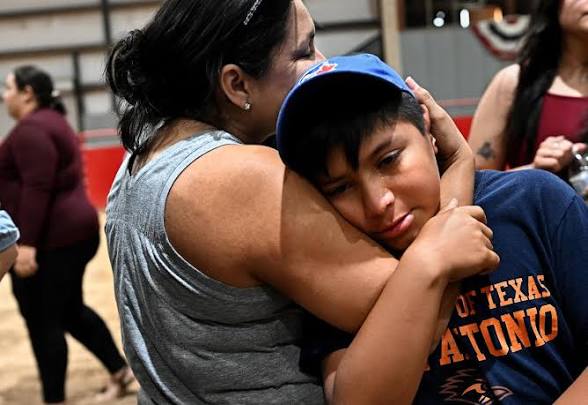
Following the lockdown, students were transported to a nearby middle school for reunification with parents.
This process, though organized, reflected the emotional trauma faced by families waiting anxiously for news.
Lockdown Panic: Inside the Terrifying Moments
School shootings are not just about the violence—they are about the psychological terror that unfolds in real time.
Students reportedly:
- Hid under desks
- Locked classroom doors
- Sent goodbye messages to family
Teachers acted swiftly, following active shooter protocols to protect students.
This kind of lockdown panic highlights how deeply ingrained these emergency scenarios have become in American schools.
A Pattern of Rising School Violence
This Texas shooting is not an isolated case. The United States has witnessed a troubling rise in school-related violence over the years.
Recent Incidents Adding to the Crisis
- A deadly shooting outside a Texas school stadium killed three people just days earlier.
- Past tragedies like the Uvalde school shooting continue to influence public fear and policy debates.
The recurrence of such events suggests a systemic issue rather than isolated incidents.
The Student Attacker: What We Know
Authorities have confirmed:
- The shooter was a 15-year-old student
- The attack targeted a teacher
- Motive remains under investigation
While details are still emerging, early reports indicate the act may not have involved multiple victims or a prolonged rampage—but its impact is equally devastating.
School Safety Crisis in America
The Texas school shooting once again exposes major vulnerabilities in school safety systems.
Key Concerns
1. Access to Weapons
How a teenager obtained a firearm remains a central question.
2. Mental Health Gaps
Many school shooters exhibit warning signs that go unnoticed or unaddressed.
3. Security Measures
Even with drills and surveillance, attacks still occur—raising doubts about current safety strategies.
Gun Control Debate Reignited
Every school shooting reignites the gun control debate in the United States, and this incident is no exception.
Arguments for Stricter Laws
- Background checks
- Safe storage laws
- Restrictions on minors accessing firearms
Arguments Against
- Second Amendment rights
- Focus on mental health instead of gun restrictions
The divide remains sharp, making policy reform challenging.
Emotional and Psychological Impact
On Students
Survivors often experience:
- PTSD
- Anxiety and fear
- Academic disruption
On Teachers
Educators face the dual burden of:
- Protecting students
- Coping with trauma
On Families
Parents are left questioning whether schools are truly safe.
Role of Law Enforcement
Authorities responded quickly, securing the campus and ensuring no further threat remained.
Key actions included:
- Rapid deployment to the scene
- Securing students and staff
- Coordinating reunification efforts
However, past incidents like Uvalde have shown that response time and coordination remain under scrutiny nationwide.
Social Media and Fear Amplification
In today’s digital age, news of shootings spreads instantly.
- Viral posts amplify panic
- Misinformation spreads rapidly
- Families struggle to verify facts
In a related case, a TikTok threat prompted heightened security at nearby schools, showing how online activity can escalate fear.
Preventing Future School Shootings
1. Early Intervention Programs
Identifying at-risk students before violence occurs.
2. Improved School Security
- Metal detectors
- Armed security personnel
- Surveillance systems
3. Mental Health Support
- Counseling services
- Crisis intervention programs
4. Responsible Gun Ownership
- Safe storage laws
- Parental accountability
Policy and Political Reactions
School shootings often lead to:
- Calls for legislative reform
- Political debates
- Public protests
Yet, meaningful change remains slow due to political divisions.
Community Response and Healing
In Bulverde, the community has come together:
- Prayer vigils
- Counseling sessions
- Support for affected families
Healing after such tragedies is a long and difficult process.
Media Coverage and Public Perception
Media plays a crucial role in shaping narratives:
- Highlighting victims
- Investigating causes
- Influencing policy discussions
However, excessive coverage can also contribute to fear and desensitization.
Global Perspective on School Shootings
While school shootings occur worldwide, the United States experiences them more frequently compared to other developed nations.
This raises critical questions about:
- Gun culture
- Policy gaps
- Social dynamics
The Bigger Picture: A National Crisis
The Texas school shooting is not just a local tragedy—it is part of a broader national crisis.
It reflects:
- Systemic failures
- Policy gaps
- Societal challenges
Until these root causes are addressed, such incidents may continue.
Conclusion
The Texas school shooting at Hill Country College Preparatory High School has once again shaken the nation. A moment of violence turned into a day of terror, leaving lasting scars on students, teachers, and families.
As investigations continue, one thing is clear:
The urgency to address school safety in America has never been greater.
FAQs
1. Where did the Texas school shooting happen?
The incident occurred at Hill Country College Preparatory High School in Bulverde, Texas.
2. What happened during the shooting?
A 15-year-old student shot a teacher before dying from a gunshot wound.
3. Was there an active shooter threat after the incident?
No, authorities confirmed the threat was contained and there was no ongoing danger.
4. How did the school respond?
The school initiated a lockdown and safely evacuated students for reunification with parents.
5. What is the current condition of the teacher?
The teacher was hospitalized, but her condition has not been publicly confirmed.
6. What are the main causes of school shootings?
Common factors include access to firearms, mental health issues, and security gaps.
7. How can school shootings be prevented?
Prevention strategies include better mental health support, stricter gun laws, and improved school security.
How useful was this post?
Click on a star to rate it!
Average rating 0 / 5. Vote count: 0
No votes so far! Be the first to rate this post.
About the Author

usa5911.com
Administrator
Hi, I’m Gurdeep Singh, a professional content writer from India with over 3 years of experience in the field. I specialize in covering U.S. politics, delivering timely and engaging content tailored specifically for an American audience. Along with my dedicated team, we track and report on all the latest political trends, news, and in-depth analysis shaping the United States today. Our goal is to provide clear, factual, and compelling content that keeps readers informed and engaged with the ever-changing political landscape.