Europe Iran Warning : Long Range Missiles, Strike Threat, Defense Fear, War Panic
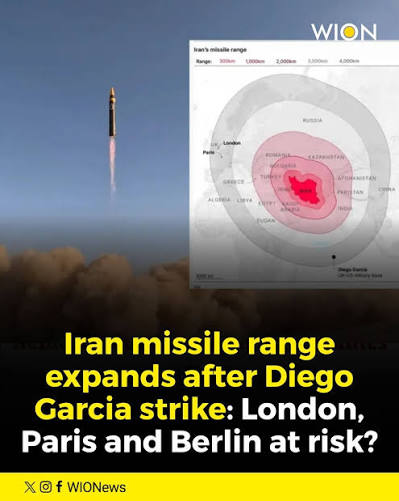
The geopolitical landscape is entering a dangerous phase as Europe Iran warning signals intensify, driven by alarming developments in Iran’s long-range missile program. What was once considered a regional Middle East conflict is now evolving into a broader global security concern, with Europe increasingly drawn into the risk zone.
Recent intelligence reports, defense analyses, and political statements have raised concerns that Iran may now possess or soon develop missiles capable of reaching deep into European territory. While officials remain cautious, the growing evidence has triggered defense fear, strategic recalibration, and rising war panic across Europe.
Rising Alarm Over Iran’s Long-Range Missile Capabilities
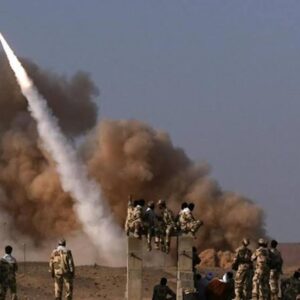
Recent reports indicate that Iran is rapidly advancing its ballistic missile program, potentially extending its reach far beyond the Middle East.
According to U.S. officials, Iran is developing long-range ballistic missiles capable of hitting parts of Europe, raising serious alarm among Western allies.
Defense experts have also warned that Iran’s recent missile activity—particularly long-distance strikes—has transformed the threat from theoretical to real.
One of the most concerning developments was Iran’s attempt to strike a U.S.-U.K. base in Diego Garcia, demonstrating a range that could potentially match distances to major European cities.
Europe’s Growing Defense Anxiety
Europe is no stranger to missile threats, especially following years of tension involving Russia. However, Iran’s expanding capabilities introduce a new and complex dimension.
Defense analysts warn that:
- Iran is no longer a regional-only threat
- Missile ranges are expanding beyond traditional limits
- Hybrid warfare (missiles + drones + cyber attacks) could overwhelm defenses
Experts emphasize that European air defense systems may struggle against saturation attacks, where multiple missiles are launched simultaneously.
This has triggered a wave of concern across NATO countries, prompting urgent discussions about:
- Strengthening missile defense systems
- Increasing military budgets
- Enhancing coordination with the United States
Contradictions: Is Europe Really a Target?
Despite rising fears, not all governments agree on the immediacy of the threat.
The UK government has stated that there is no concrete evidence Iran is targeting Europe directly at this stage.
This contradiction highlights a critical divide:
| Concern | Reality |
|---|---|
| Missile capability exists | Confirmed by experts |
| Direct targeting of Europe | Not yet proven |
| Potential future threat | Highly likely |
This uncertainty is fueling public anxiety and political debate, as governments struggle to balance caution with preparedness.
Missile Demonstrations as Strategic Warning
Many analysts believe Iran’s recent missile launches are not just military actions—but strategic signals to Europe.
According to defense experts:
- Strikes like the Diego Garcia attempt serve as deterrence messaging
- Iran aims to discourage European involvement in the conflict
- The goal is to raise the cost of Western intervention
This strategy mirrors tactics used in other global conflicts, where military demonstrations are used to reshape political decisions without direct confrontation.
War Panic: From Regional Conflict to Global Crisis
The ongoing Iran conflict has already escalated into a multi-front crisis involving:
- Missile attacks across the Middle East
- Threats to global energy infrastructure
- Rising tensions with the United States
The situation is no longer contained.
Iran has warned it could strike energy sites across the region if provoked further, escalating fears of a broader war.
Meanwhile, global powers are mobilizing forces, increasing the risk of a large-scale international confrontation.
Energy Shock and Economic Fallout in Europe
Beyond military risks, Europe faces a serious economic threat due to the conflict.
The closure or disruption of the Strait of Hormuz, a vital global oil route, could trigger:
- Energy shortages
- Rising fuel prices
- Industrial slowdowns
Reports suggest Europe could face a second energy crisis, with gas prices surging and economic growth slowing significantly.
Countries like Germany and Italy—heavily dependent on energy imports—are particularly vulnerable.
NATO’s Response: Strengthening Defenses
NATO has already begun responding to the evolving threat landscape.
Recent developments include:
- Interception of Iranian missiles over Turkey
- Deployment of additional missile defense systems
- Increased military readiness across Europe
These actions reflect a growing realization that Europe must prepare for worst-case scenarios, even if a direct attack remains unlikely.
Political Divide Across Europe
The Iran missile threat has also exposed divisions within Europe:
Hawkish Position
- Calls for stronger military action
- Increased NATO involvement
- Support for U.S. strategy
Cautious Position
- Emphasis on diplomacy
- Avoiding escalation
- Skepticism about direct threat
This divide complicates decision-making and slows unified responses.
Global Implications: Beyond Europe
The implications of Iran’s missile capabilities extend far beyond Europe.
Experts warn that:
- The conflict could evolve into a global security crisis
- International alliances may shift
- Military spending could surge worldwide
The war has already affected:
- Oil markets
- Global trade routes
- Political stability across regions
Public Fear and Media Narrative
Media coverage of the crisis has amplified public anxiety, with headlines focusing on:
- “Missiles that can hit Europe”
- “War escalation fears”
- “Global conflict risk”
This has led to:
- Increased public concern
- Political pressure on governments
- Heightened security awareness
Is Europe Prepared for a Missile Threat?
The answer remains uncertain.
While Europe has advanced defense systems, challenges remain:
Strengths
- NATO alliance
- Advanced radar and interception systems
- Strong military coordination
Weaknesses
- Limited interceptor stockpiles
- Dependence on U.S. defense support
- Vulnerability to large-scale attacks
Future Outlook: What Happens Next?
Several scenarios could unfold:
1. De-escalation
Diplomatic efforts succeed, reducing tensions.
2. Continued Standoff
Ongoing threats without direct conflict.
3. Escalation
Missile strikes expand beyond the Middle East.
4. Global Conflict
Involvement of multiple global powers.
At present, the world appears to be in Scenario 2, with risks of escalation increasing.
Conclusion
The Europe Iran warning is no longer hypothetical—it is a developing reality shaped by technological advancements, geopolitical tensions, and strategic signaling.
While Europe may not be an immediate target, the capability exists, and that alone is enough to reshape defense strategies, political decisions, and public perception.
As the situation evolves, one thing is clear:
👉 The line between regional conflict and global crisis is rapidly disappearing.
FAQs
1. Can Iran’s missiles reach Europe?
Some defense experts believe Iran is developing missiles capable of reaching parts of Europe, though this is still debated.
2. Is Europe currently under threat from Iran?
There is no confirmed evidence of direct targeting, but concerns are growing.
3. Why is Europe worried about Iran?
Due to expanding missile capabilities, regional instability, and potential escalation into global conflict.
4. What is NATO doing about the threat?
NATO is strengthening defenses, intercepting missiles, and increasing military readiness.
5. Could this lead to a world war?
While not certain, the risk of broader conflict is increasing due to rising tensions.
How useful was this post?
Click on a star to rate it!
Average rating 0 / 5. Vote count: 0
No votes so far! Be the first to rate this post.
About the Author

usa5911.com
Administrator
Hi, I’m Gurdeep Singh, a professional content writer from India with over 3 years of experience in the field. I specialize in covering U.S. politics, delivering timely and engaging content tailored specifically for an American audience. Along with my dedicated team, we track and report on all the latest political trends, news, and in-depth analysis shaping the United States today. Our goal is to provide clear, factual, and compelling content that keeps readers informed and engaged with the ever-changing political landscape.