Rama Duwaji Viral : Gaza Artwork, Instagram Storm, Political Art Clash
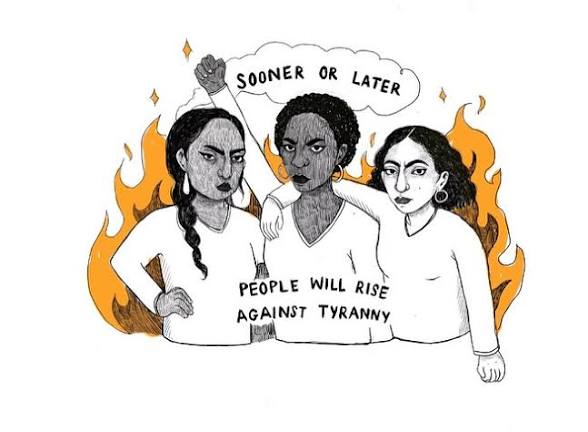
The internet has once again found itself at the center of a cultural and political storm. This time, the spotlight is on Rama Duwaji, whose Gaza-themed artwork has gone viral, sparking intense debates across social media platforms—especially Instagram.
What started as a piece of political expression quickly escalated into a global conversation about art, activism, and the boundaries of free speech. From supporters praising her courage to critics accusing her of bias, the “Rama Duwaji viral” trend reflects the deep divisions surrounding the Israel-Gaza conflict.
In this article, we break down the controversy, explore the artist behind the headlines, and analyze why this moment has triggered such a powerful reaction online.
Who Is Rama Duwaji?
Rama Duwaji is a Syrian-American illustrator, animator, and ceramic artist who has gained international recognition for her politically engaged artwork.
Born in 1997, Duwaji has worked with major platforms like The New Yorker, BBC, and The Washington Post, building a reputation for visually striking illustrations that explore identity, gender, and Middle Eastern politics.
She became even more prominent after marrying Zohran Mamdani, making her the First Lady of New York City in 2026.
But unlike traditional political spouses, Duwaji has maintained a strong independent voice—especially through her art.
The Viral Gaza Artwork: What Happened?
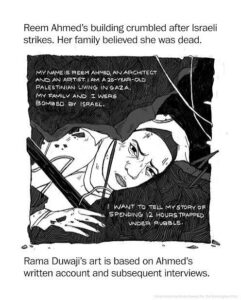
The controversy erupted when Duwaji shared (and was linked to) artwork centered on life in Gaza—depicting displacement, human suffering, and war realities.
The piece was reportedly published alongside a narrative about a Gaza displacement camp, immediately drawing global attention.
Why It Went Viral
- Emotional imagery connected with ongoing conflict narratives
- Massive reach via Instagram (millions of followers)
- Political timing amid heightened global tensions
- Amplification by influencers, activists, and critics
Within hours, the artwork triggered a wave of shares, reactions, and heated discussions.
Instagram Storm: Social Media Reacts
The platform that fueled Duwaji’s rise—Instagram—also became the epicenter of the backlash.
Supporters Said:
- The artwork humanizes the Gaza crisis
- Artists should speak on global injustice
- Political art is necessary for awareness
Critics Argued:
- The artwork reflects a one-sided narrative
- It may indirectly support controversial political positions
- Public figures should be more neutral
The viral moment quickly turned into a digital battlefield, with hashtags trending across regions.
Political Art Clash: Where Art Meets Ideology
At the heart of the controversy lies a bigger question:
👉 Should art be political?
Duwaji’s work has long focused on social justice themes, particularly in the Middle East.
Her Gaza artwork is not an isolated piece—it fits into a broader body of work addressing:
- War and displacement
- Identity and diaspora
- Women’s experiences in conflict zones
However, critics argue that when artists connected to political figures engage in activism, the stakes become higher.
The Political Fallout
The controversy has also spilled into politics due to Duwaji’s connection with Zohran Mamdani.
Reports indicate that:
- Her artwork has drawn scrutiny toward the mayor’s office
- Critics are questioning political neutrality
- Supporters defend artistic independence
According to recent reports, the situation has raised broader concerns about the intersection of personal expression and public office.
Past Social Media Controversies Resurface
Fueling the viral storm further, older social media posts linked to Duwaji resurfaced, adding another layer of controversy.
Some reports claim:
- Past posts showed strong pro-Palestinian views
- Certain interactions sparked backlash online
- Critics used these to question her current stance
These resurfaced posts intensified debates and extended the lifespan of the controversy.
Art, Activism, and Accountability
The “Rama Duwaji viral” trend reflects a broader shift in how audiences engage with art.
Key Questions Raised:
- Can artists remain neutral in times of conflict?
- Should public figures separate personal expression from public roles?
- Is social media amplifying outrage culture?
Duwaji’s case highlights how digital platforms have transformed art into immediate, global discourse.
Why This Went Global
Several factors contributed to the international scale of the controversy:
1. Global Conflict Context
The Israel-Gaza conflict remains one of the most sensitive geopolitical issues.
2. Influencer-Level Reach
With millions of followers, Duwaji’s content spreads rapidly.
3. Political Connection
Her role as NYC First Lady adds weight to her actions.
4. Algorithm Amplification
Social media platforms prioritize controversial content.
The Role of Instagram in Political Expression
Instagram is no longer just a visual platform—it’s a political stage.
Duwaji’s viral moment shows:
- Art can act as activism
- Visual storytelling can shape narratives
- Public reaction can be immediate and intense
Her account, followed by millions, became a hub for debate, activism, and criticism.
Support vs Backlash: A Divided Audience
The reaction to Duwaji’s artwork reflects a deeply polarized global audience.
Support Base:
- Artists and creatives
- Human rights advocates
- Pro-Palestinian activists
Critics:
- Political commentators
- Pro-Israel groups
- Neutral observers concerned about bias
This divide shows how art is increasingly interpreted through political lenses.
Media Coverage and Narrative War
The controversy has also turned into a media narrative battle.
Different outlets have:
- Framed the artwork as activism
- Criticized it as political propaganda
- Highlighted its emotional impact
This divergence reflects how media framing influences public perception.
The Bigger Picture: Art in the Age of Virality
The “Rama Duwaji viral” story is not just about one artist—it’s about a cultural shift.
Key Takeaways:
- Art is no longer confined to galleries
- Social media determines visibility
- Virality can redefine artistic intent
In today’s world, a single post can spark global discourse within hours.
What Happens Next?
As the controversy continues, several outcomes are possible:
- Continued scrutiny of Duwaji’s work
- Increased political pressure
- Stronger support from activist communities
- A lasting impact on her public image
Whether this moment fades or evolves into a long-term debate remains to be seen.
Conclusion
The “Rama Duwaji viral” controversy is a powerful example of how art, politics, and social media intersect in today’s digital age.
Duwaji’s Gaza artwork has sparked not just a debate—but a global conversation about:
- Freedom of expression
- Political responsibility
- The power of visual storytelling
In a world where every post can go viral, the line between artist and activist is becoming increasingly blurred.
FAQs
1. Why is Rama Duwaji trending?
Rama Duwaji is trending due to her Gaza-themed artwork that went viral on Instagram and sparked global political debate.
2. What is the controversy about?
The controversy revolves around her artwork depicting Gaza, which has been interpreted differently by supporters and critics, leading to backlash and support.
3. Is Rama Duwaji a political figure?
She is not an elected official but is the wife of Zohran Mamdani, making her a public figure.
4. What kind of art does she create?
Her work focuses on social justice, identity, and Middle Eastern issues, often addressing conflict and cultural themes.
5. Why did the artwork go viral?
The combination of emotional content, political context, and her large Instagram following contributed to its rapid spread.
6. Has she responded to the controversy?
As of now, there has been limited public response, while discussions continue across media and social platforms.
How useful was this post?
Click on a star to rate it!
Average rating 0 / 5. Vote count: 0
No votes so far! Be the first to rate this post.
About the Author

usa5911.com
Administrator
Hi, I’m Gurdeep Singh, a professional content writer from India with over 3 years of experience in the field. I specialize in covering U.S. politics, delivering timely and engaging content tailored specifically for an American audience. Along with my dedicated team, we track and report on all the latest political trends, news, and in-depth analysis shaping the United States today. Our goal is to provide clear, factual, and compelling content that keeps readers informed and engaged with the ever-changing political landscape.