Kristi Noem : Border Crackdown, Immigration Battle, 2026 Power Move
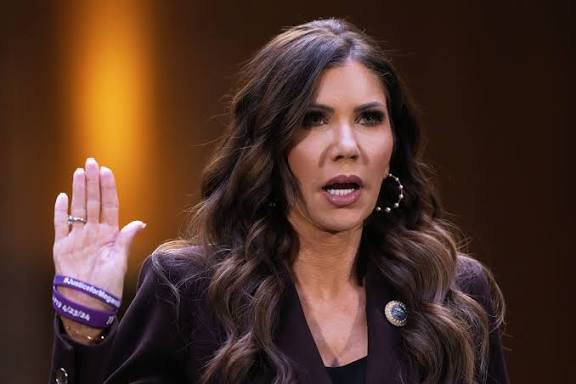
In 2026, Kristi Noem, serving as the U.S. Secretary of Homeland Security, has become one of the most prominent and polarizing figures in American politics. Once known as a conservative governor of South Dakota, Noem now sits at the center of a fierce border crackdown and immigration battle that has sparked national debate, bipartisan criticism, and intense media scrutiny.
Her aggressive enforcement actions, controversial public statements, and strategic policy choices have not only shaped U.S. immigration dynamics but have also positioned her as a potential power player within the Republican Party — and a consequential figure ahead of the 2026 election cycle.
This article explores the rise of Kristi Noem in the immigration arena, dissects her latest policies and controversies, assesses public reaction and political fallout, and examines her possible future influence on American politics.
From Governor to Homeland Security: A Political Shift
Kristi Noem rose to national prominence as the Governor of South Dakota before she was appointed by President Donald Trump as Secretary of Homeland Security in January 2025. In this role, Noem quickly shifted from state politics into the forefront of national immigration enforcement — aligning closely with the Trump administration’s hardline approach.
In her first months on the job, Noem emphasized a return to strict border control, deportation of undocumented immigrants, and expanding the authority and reach of federal enforcement agencies such as Immigration and Customs Enforcement (ICE) and Customs and Border Protection (CBP).
The 2026 Immigration Crackdown: Strategy and Implementation
Border Security Messaging and Enforcement
Throughout early 2026, Noem has repeatedly framed her strategy as a campaign to “secure the border” by reducing illegal crossings, dismantling criminal networks, and enforcing immigration laws more rigorously than prior administrations. Her rhetoric, often shared in press conferences and official statements, highlights:
Claims of record-low border crossings and seizures of contraband like fentanyl at border points.
Statements urging state officials to cooperate with federal enforcement and criticizing opponents of strict measures.
While official data might show trends of ebbing illegal crossings, this has been widely contested by watchdogs and civil liberties groups, who argue enforcement is overshadowing humanitarian concerns.
Operation Metro Surge and Expanded Enforcement
One of the major undertakings under Noem’s leadership has been Operation Metro Surge — a focused federal initiative involving thousands of officers and agents deployed in U.S. cities, particularly Minnesota, for immigration enforcement operations.
The operation has drawn intense controversy:
Local authorities and civil rights groups protested federal tactics that they see as heavy-handed and lacking oversight.
Mass deployments of ICE and DHS personnel in urban areas led to confrontations with community organizers and systemic criticism.
A tragic shooting in Minneapolis involving ICE agents resulted in public outcry and nationwide protests.
Noem responded by defending federal officers and characterizing protests as threats to public safety, further igniting debate over federal versus local control in immigration enforcement.
Controversies and Bipartisan Backlash
Noem’s tenure has been marked by several high-profile controversies that have amplified scrutiny of her leadership:
Senate Testimonies and Criticism
During a March 2026 Senate Judiciary Committee hearing, Noem doubled down on her administration’s stance — including labeling two U.S. citizens killed by federal agents as “domestic terrorists,” a characterization that has been widely challenged by evidence and lawmakers across party lines.
Senators from both sides of the aisle criticized Noem’s rhetoric and lack of transparency, with some calling for her resignation, and others questioning the depth of oversight at DHS.
Spending and Ethics Questions
Noem has also faced scrutiny over significant spending decisions, including:
A $220 million DHS ad campaign featuring her, intended to support immigration enforcement messaging.
Allegations surrounding the procurement process and ties to political allies.
Reports of large expenditures — over $300 million — on private jets under DHS funding amid border funding battles.
Critics argue these expenditures raise ethical questions about how taxpayer funds are being used in pursuit of immigration strategies, especially during a partial government shutdown and debates over DHS funding.
Public Safety and Legal Disputes
Noem’s approach has also drawn legal challenges, including accusations of DHS violating court orders related to detention and enforcement procedures. Her defense of DHS compliance under court oversight has itself been called into question in legal forums.
Political Implications: 2026 Power Move
Noem’s role in 2026 goes beyond immigration policy — it has become a political flashpoint with implications for the broader GOP strategy.
Support within the Republican Party
Hardline conservatives hail Noem as an executioner of tough immigration policy — one of the GOP’s signature issues. Her willingness to take aggressive positions resonates with voters who prioritize border security and immigration enforcement.
This has boosted her national profile and, whether intentional or not, positioned her as a leading conservative voice in the 2026 political landscape.
Public Opinion and Shifting Views
However, public sentiment on immigration enforcement is fluid:
A recent poll showed half of Americans support abolishing ICE, reflecting a backlash to aggressive enforcement.
Opposition to aggressive immigration tactics, particularly in urban communities and among civil liberties-focused groups, suggests a growing electoral risk for hardline policies.
Noem’s staunch defense of Trump-aligned immigration strategies may therefore resonate with the GOP base while alienating moderates — positioning her at the center of internal party and national debates.
Impact on Immigration Reform and Border Policy Debate
Beyond 2026 electoral politics, Noem’s policies contribute to shaping the broader immigration reform conversation:
Her focus has been on enforcement and criminalization rather than legislative reform.
Many advocacy groups argue for increased protections, due process, and humane treatment of immigrants — contrasting sharply with Noem’s enforcement-first approach.
This contrast highlights a fundamental divide in U.S. immigration policy — one that Noem’s actions in 2026 helped sharpen.
FAQs: Kristi Noem and the 2026 Immigration Battle
1. Who is Kristi Noem and what is her role in immigration policy?
Kristi Noem is the U.S. Secretary of Homeland Security under the Trump administration. She oversees federal agencies such as DHS, ICE, and CBP, and has been a central figure in the 2026 immigration crackdown due to her enforcement-focused policies.
2. What is Operation Metro Surge and why is it controversial?
Operation Metro Surge is a federal immigration enforcement operation involving large deployments of ICE and other federal agents to cities like Minneapolis. It has been controversial due to intense protests, civilian deaths, and debates over federal intervention in local jurisdictions.
3. Why have Noem’s statements sparked bipartisan criticism?
Noem’s characterization of individuals killed by federal agents as “domestic terrorists” and her defense of aggressive enforcement tactics have drawn criticism from Democrats and some Republicans for being misleading and politically charged.
4. What spending controversies has Kristi Noem faced?
Noem has faced scrutiny over DHS spending, including a $220 million ad campaign featuring her and a reported $300 million expenditure on private jets amid a border funding battle and government funding disputes.
5. How does public opinion view the immigration crackdown?
Public opinion is divided. Some conservative voters support Noem’s enforcement stance, while others, including moderate and liberal Americans, increasingly back reforms such as abolishing ICE or limiting federal immigration powers.
Conclusion
Kristi Noem’s tenure as Homeland Security Secretary in 2026 has been defined by bold — and often controversial — immigration and border enforcement policies. Her actions reflect a strategic push to cement a hardline stance on illegal immigration, which has both energized segments of the Republican base and sparked widespread criticism among political opponents and civil liberties advocates.
As the politics of immigration continue to evolve, Noem’s influence and decisions will remain central to debates about the future of U.S. border policy, government oversight, and electoral strategy ahead of the 2026 elections.
Whether viewed as a decisive leader or a polarizing figure, Kristi Noem’s 2026 moves represent a significant chapter in the ongoing story of American immigration policy.
How useful was this post?
Click on a star to rate it!
Average rating 0 / 5. Vote count: 0
No votes so far! Be the first to rate this post.
About the Author

usa5911.com
Administrator
Hi, I’m Gurdeep Singh, a professional content writer from India with over 3 years of experience in the field. I specialize in covering U.S. politics, delivering timely and engaging content tailored specifically for an American audience. Along with my dedicated team, we track and report on all the latest political trends, news, and in-depth analysis shaping the United States today. Our goal is to provide clear, factual, and compelling content that keeps readers informed and engaged with the ever-changing political landscape.