Mansoureh Khojasteh Bagherzadeh : Iran Inner Circle, Silent Influence, Global Spotlight
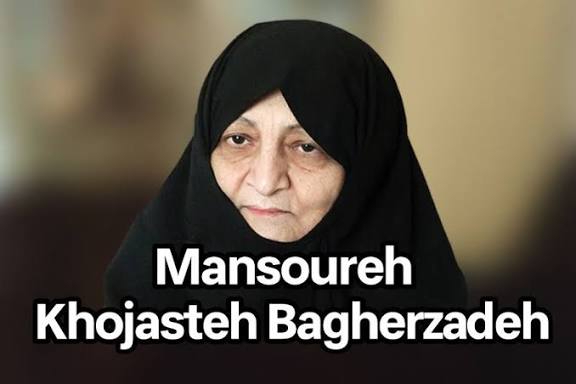
Mansoureh Khojasteh Bagherzadeh remains one of the most enigmatic figures associated with Iran’s contemporary leadership. Best known as the wife of Ali Khamenei, the second and long-serving Supreme Leader of the Islamic Republic of Iran, Bagherzadeh’s life represents a unique confluence of private influence, cultural expectations, and political proximity. While rarely in the public spotlight, the significance of her presence within Iran’s inner circle, the shaping of family dynamics at the apex of power, and her perceived symbolic role in Iranian society draw attention from scholars, commentators, and the global media alike.
In this comprehensive article, we will explore her early life, marriage, family influence, public and private role, evolving global perceptions, and her legacy following recent reports about her death in 2026.
Early Life and Background
Mansoureh Khojasteh Bagherzadeh was born in 1947 in Mashhad, a major religious city in northeastern Iran. She came from a devout Persian Muslim family; her father, Mohammad Esmaeil Khojasteh Bagherzadeh, was a well-known businessman in Mashhad. Her familial ties also connected her to important figures beyond the clerical establishment — her brother, Hassan Khojasteh Bagherzadeh, served as former deputy director of Islamic Republic of Iran Broadcasting (IRIB).
Growing up in a conservative but socially connected household, Bagherzadeh’s upbringing was deeply rooted in faith and family values, setting the stage for the role she would later play alongside her husband in Iran’s political landscape.
Marriage to Ali Khamenei and Family Life
Bagherzadeh met Ali Khamenei in a private ceremony in 1964. The two married the following year, in a union that would endure through dramatic transformations in Iranian society — from the final years of the Pahlavi monarchy to the post-1979 Islamic Republic era. Their wedding sermon was delivered by Ayatollah Mohammad Hadi Milani, a respected religious figure.
Their marriage produced six children — four sons and two daughters — whose lives have become intertwined with Iran’s religious and political structures:
Mostafa Khamenei – Engaged primarily in seminary studies.
Mojtaba Khamenei – Known for his visibility in political and clerical circles, often described as one of the most prominent figures among his siblings.
Masoud Khamenei – Connected through marriage to influential clerical families.
Meysam Khamenei – Linked to the Iranian bazaar merchant class through family ties.
Boshra and Hoda Khamenei – Their daughters have also formed ties within Iran’s clerical and political network.
Through both bloodlines and marital alliances, the Khamenei family has woven a dense web of influence that extends across the religious, political, and social fabric of the Islamic Republic.
Role Within Iran’s Inner Circles
Although Bagherzadeh never held formal political office, her proximity to power — as the spouse of the Supreme Leader and formerly as the wife of the President of Iran (during Ali Khamenei’s presidency from 1981 to 1989) — placed her within the highest echelons of Iranian leadership.
Her influence, however, was rarely public. The Iranian media has historically given scant attention to her activities, and few official photographs have been released. This cultivated an image of quiet dignity — a presence that was significant more for what was not said than what was publicly asserted.
This discretion aligns with prevailing cultural norms in Iran regarding the roles of women, particularly those associated with religious authority figures. Bagherzadeh exemplified a model of modesty and privacy, in contrast to the public and media-centric roles seen among political spouses in other parts of the world.
Public Perception: Silence and Symbolism
Bagherzadeh’s public image has been shaped largely by silence and symbolism rather than speeches, media engagements, or political statements. In Iran, where public roles for women in political leadership remain constrained by legal and cultural factors, her steady presence beside Khamenei conveyed consistency and support for the ideological foundations of the Islamic Republic.
Commentators have portrayed her as a “silent strength” behind Iran’s leadership, embodying ideals of family unity, religious devotion, and self-effacing service. Her refusal to seek media attention or influence public opinion in overt ways reinforced the prevailing narrative of private influence.
Family Influence: Beyond Personal Presence
While Bagherzadeh herself remained largely out of the public eye, her family — especially her children — have taken on more visible roles in Iran’s political and clerical spheres. In particular, Mojtaba Khamenei has often been discussed in analysis of Iran’s potential leadership succession, and the wider Khamenei family continues to occupy important cultural and religious positions.
The extended network of marital ties also deepens the family’s influence: sons and daughters are connected through marriage to other prominent religious and political actors in Iran. This network reflects a broader historical pattern in which clerical authority is reinforced through familial alliances.
Recent Developments and Death in 2026
According to recent reliable sources, Mansoureh Khojasteh Bagherzadeh passed away on March 2, 2026, in Tehran, Iran, due to injuries sustained in a missile strike during the 2026 conflict involving Iran and coalition forces.
Her death marks the end of an era for a figure long associated with continuity and resilience in Iran’s political order. The circumstances surrounding her passing also reflect broader geopolitical tensions that have shaped Iran’s recent history.
Legacy and Influence
Bagherzadeh’s legacy is multifaceted. On one level, she exemplified an archetype in the Islamic Republic: the loyal, modest spouse whose influence is exerted quietly through personal support and family stability rather than public activism. On another level, her life intersects with fundamental debates about gender, power, and representation in modern Iran.
While she was never a public policy maker or a well-known public intellectual, her role was emblematic of the structure of religious authority and patriarchal norms in contemporary Iranian society. Her influence — indirect yet enduring — reveals how social and political capital can flow through family and private networks as much as through formal institutions.
International Perception
International observers have often viewed Bagherzadeh through the lens of her husband’s leadership. In Western and global media, her life has been referenced in discussions about the private lives of authoritarian leaders, the role of family in political power structures, and the broader dynamics of influence in closed political systems.
The lack of official public presence has made her something of a mystery to global audiences, inviting speculation and occasional misinformation. Nonetheless, reputable sources affirm her long-standing role and respect the privacy she maintained throughout her life.
Conclusion
Mansoureh Khojasteh Bagherzadeh was more than the spouse of one of the most powerful figures in the Middle East — she was a presence that embodied personal devotion, cultural expectations, and the quiet endurance of family influence within a complex political system. Her life story illustrates how influence can be both present and invisible, rooted in tradition and family rather than in public rhetoric or official office.
In examining her life, we gain insight not only into a central figure connected to Iran’s leadership but also into broader patterns of gender, politics, and society in a country at the crossroads of tradition and modernity.
FAQs
1. Who was Mansoureh Khojasteh Bagherzadeh?
She was the wife of Ali Khamenei, the Supreme Leader of Iran, known for her long-standing private influence and supportive role within Iran’s leadership circles.
2. What was Bagherzadeh’s public role?
She did not hold formal political office and was known for maintaining a private life, representing ideals of modesty, family loyalty, and religious devotion.
3. How many children did she have?
She and Ali Khamenei had six children — four sons and two daughters — many of whom are connected to significant religious and political networks in Iran.
4. Why is she considered influential despite limited public presence?
Her influence came through her position within Iran’s inner leadership circle, family ties, and the stability she provided within the nation’s most powerful household.
5. When did Mansoureh Khojasteh Bagherzadeh die?
She died on March 2, 2026, in Tehran due to injuries from a missile strike amid the 2026 Iran conflict.
How useful was this post?
Click on a star to rate it!
Average rating 0 / 5. Vote count: 0
No votes so far! Be the first to rate this post.
About the Author

usa5911.com
Administrator
Hi, I’m Gurdeep Singh, a professional content writer from India with over 3 years of experience in the field. I specialize in covering U.S. politics, delivering timely and engaging content tailored specifically for an American audience. Along with my dedicated team, we track and report on all the latest political trends, news, and in-depth analysis shaping the United States today. Our goal is to provide clear, factual, and compelling content that keeps readers informed and engaged with the ever-changing political landscape.