Senegal : Election Shift, West Africa Power Play, Economic Reform Storm
You said
Senegal stands at a decisive crossroads—politically, economically, and geopolitically. Recent elections ushered in a new generation of leadership promising transformative change. This shift is reshaping not only domestic governance but also Senegal’s role within West Africa’s evolving regional order. At the same time, far-reaching economic reforms and urgent fiscal challenges have dropped the nation into an intense storm of debate and reform that could redefine the country’s future trajectory.
This article unpacks these critical developments and their implications—from political transitions and regional power realignments to economic reform efforts and Senegal’s role on the West African stage.
🗳️ A New Political Epoch: Election Shift and Democratic Renewal
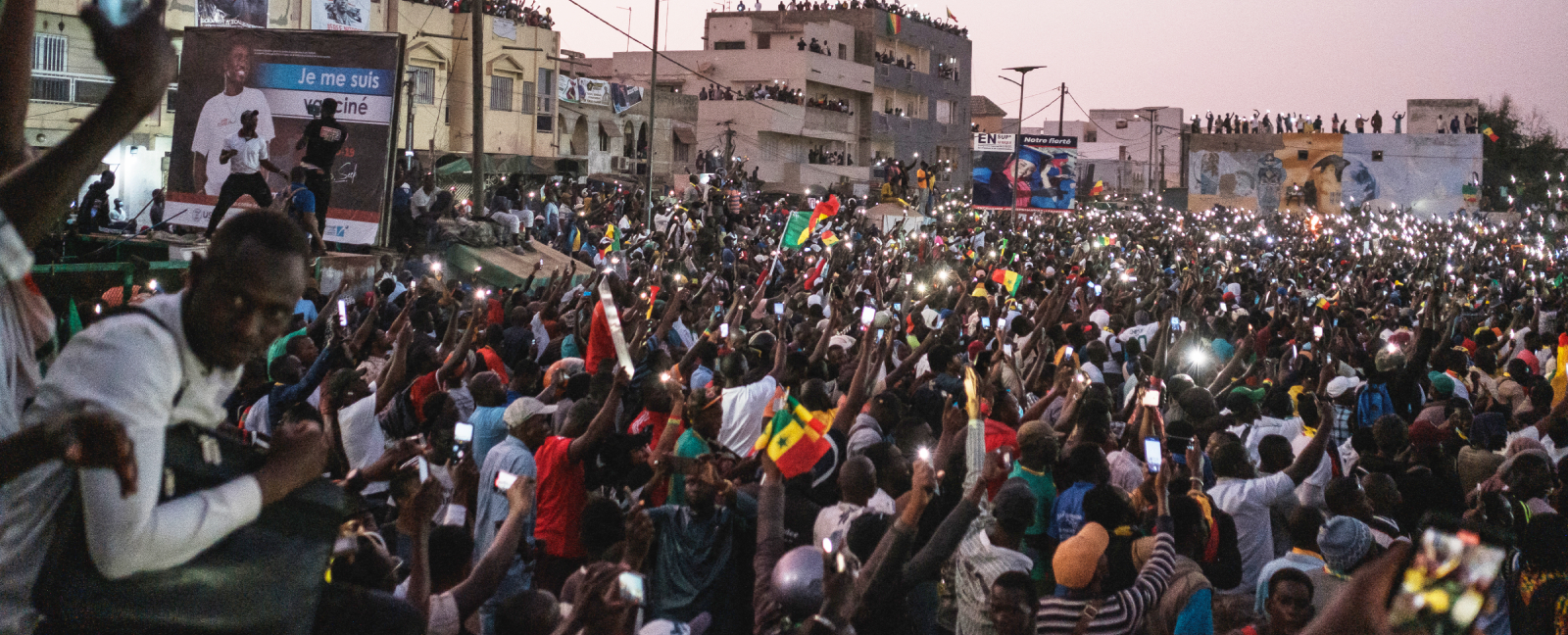
In March 2024, Senegal experienced one of its most consequential elections in recent memory. Opposition leader Bassirou Diomaye Faye, backed by a coalition including popular figure Ousmane Sonko, won the presidency in a landslide victory, ending years of rule by the outgoing administration.
Faye’s rise was fueled by widespread discontent with entrenched governance practices and economic stagnation, especially among young voters. His campaign centered on transparency, anti-corruption, and economic sovereignty—goals that resonated with many citizens. This electoral shift marked not only a generational turnover but also a departure from traditional political elites, injecting renewed hope and expectations into Senegal’s democratic process.
However, political optimism has met real-world challenges. Public trust in institutions remains a sensitive issue—as seen in protests triggered by economic grievances and governance decisions. Authorities have faced pushback from civil society, particularly in university towns where students held demonstrations amid broader fiscal distress.
The shift in leadership also reflects a broader pattern in West Africa, where citizens increasingly demand greater accountability, public participation, and reforms to entrenched power structures. Dramas in neighboring countries—ranging from coups to constitutional crises—highlight how Senegal’s relatively stable transition stands out in a region marked by political volatility.
🌍 Power Play in West Africa: Regional Influence and Strategic Positioning
Senegal’s election shift does not occur in isolation. It intersects with a broader West African power play characterized by shifting alliances, changes in regional leadership norms, and debates over economic integration.
🧭 The CFA Franc and Monetary Sovereignty
A key pillar of the new administration’s platform was reconsideration of Senegal’s monetary ties to the CFA franc—a legacy of colonial monetary policy still shared by several West African nations. Debate over whether to abandon or reform this currency arrangement reflects broader aspirations for economic sovereignty across the region. Although specifics are yet to be fully articulated by policymakers, this debate has raised eyebrows in neighboring states and financial markets alike.
🇫🇷 Redefining French Influence
Senegal’s foreign policy has also seen a historic shift. In late 2024, the government announced the full withdrawal of French military forces by the end of 2025—ending a 65-year presence that had defined bilateral relations. This decision demonstrates Senegal’s pursuit of autonomy and a recalibration of ties with its former colonial partner.
While Dakar maintains diplomatic ties with Paris, the military departure signals a broader rebalancing of influence in West Africa, where partnerships with other global powers—including the U.S., China, and members of BRICS—are becoming more prominent in shaping strategic alliances.
🤝 ECOWAS Dynamics and Regional Stability
Senegal’s new leadership has also played a delicate role within the Economic Community of West African States (ECOWAS)—especially as the bloc has grappled with instability in countries like Mali, Burkina Faso, and Niger. Calls for diplomatic engagement and constructive dialogue have placed Dakar in a position that requires both regional leadership and diplomatic finesse. This role underscores Senegal’s strategic weight as a democratic anchor within a transitioning West African order.
💼 Economic Reform Storm: Debt Challenges and Structural Moves
Senegal’s political change was inevitably tied to economic reform imperatives. The new administration inherited a complex economic landscape marked by a fiscal crisis, high debt levels, and pressing demands for reforms.
📉 Debt Reality and IMF Engagement
One of the most pressing economic challenges has been Senegal’s growing public debt, which authorities revealed was significantly misreported under prior administrations—a revelation that sent shockwaves through financial markets and strained relations with international creditors.
To restore confidence and stabilize the economy, Senegal has engaged with the International Monetary Fund (IMF) to craft a credible fiscal strategy. Plans include debt restructuring, domestic revenue mobilization, and fiscal transparency mechanisms designed to reduce the fiscal deficit and restore macroeconomic stability.
📊 Fiscal Reforms and Domestic Resource Mobilization
Senegal’s strategy goes beyond external engagement. The government is pursuing domestic resource mobilization (DRM) through modernized tax administration, stricter fiscal controls, and renegotiation of key resource contracts. These policy efforts aim to broaden the revenue base while reducing dependency on external borrowing—a critical step in regaining fiscal autonomy.
Public spending reforms and elimination of inefficient subsidies are also under consideration. While necessary, these reforms have proven politically sensitive—as seen in recent student protests fueled by budget cuts in social sectors.
⚡ Energy Sector Growth: From Importer to Producer
Despite fiscal challenges, Senegal’s economy has promising growth drivers—particularly in energy. Offshore oil and gas fields such as Sangomar and Greater Tortue Ahmeyim (GTA) have moved Senegal into the ranks of energy producers. Domestic refining plans and gas-to-power strategies aim to cut import costs and stimulate industrialization, potentially fueling robust economic growth.
Such developments bolster Senegal’s economic sovereignty and position it as a potential regional energy hub—a clear contrast to its historical reliance on external energy sources.
📉 Balancing Reform with Social Stability
However, reform ambitions come with societal costs. Reduction in student aid budgets, job losses, and new taxes underline the difficulty of balancing fiscal discipline with societal expectations. This tension between reform and social welfare remains a defining political challenge as Senegal seeks both economic stability and social cohesion.
📊 Geopolitical and Economic Impacts: Regional and Global Outlook
Senegal’s political and economic transformation resonates beyond its borders.
🌐 West African Economic Integration
Senegal’s debates over currency reform and its push for regional influence contribute to broader conversations about West African economic integration. Its evolving relationship with regional partners could shape the future of monetary policy and economic cooperation across ECOWAS and beyond.
🔁 Global Economic Risks
With global economic uncertainties—including fluctuating energy prices and geopolitical tensions—Senegal’s leadership has warned of vulnerabilities tied to global markets. This underscores how interconnected economic reform and diplomatic strategy must be in navigating external shocks and internal fiscal demands.
🤝 Strategic Partnerships and Investment
Senegal’s pursuit of diversified partnerships—with the IMF, international investors, renewable energy stakeholders, and regional blocs—positions it to leverage economic opportunities amid reform. If effectively managed, these partnerships could yield significant gains in infrastructure, human capital, and sustainable growth.
📌 Conclusion: Senegal’s Crossroads Moment
Senegal’s journey through election shifts, regional power plays, and economic reform storms epitomizes the complexities facing nations in transition. With a new generation of leadership steering ambitious reform agendas, Senegal stands poised to redefine its domestic governance while influencing broader West African dynamics.
Yet the path ahead remains challenging. Balancing fiscal discipline with social stability, navigating regional alliances, and managing global economic pressures will be critical in determining whether Senegal’s bold transformation delivers the promise of sustainable growth and inclusive development.
❓ FAQs about Senegal’s Political and Economic Transformation
1. What triggered the recent political shift in Senegal?
The election of Bassirou Diomaye Faye in March 2024 signaled a major political shift, driven by public demand for transparency, economic reform, and change from entrenched political elites.
2. How is Senegal’s economic reform impacting society?
Fiscal reforms have led to budget cuts in certain social programs, new taxes, and austerity measures, which have sparked protests and social debate, particularly among youth.
3. What role does Senegal play in West Africa’s strategic landscape?
Senegal acts as a democratic anchor in a region facing political volatility. Its policies on monetary sovereignty, foreign partnerships, and ECOWAS diplomacy influence broader West African dynamics.
4. Is Senegal still connected to the CFA franc currency?
While still using the CFA franc with other West African states, the new administration has debated the possibility of rethinking monetary arrangements for greater economic independence.
5. What are Senegal’s strongest economic opportunities?
Growth in energy production—particularly offshore oil and gas—and reforms in domestic revenue systems are seen as key economic opportunities that could fuel development and regional integration.
How useful was this post?
Click on a star to rate it!
Average rating 0 / 5. Vote count: 0
No votes so far! Be the first to rate this post.
About the Author

usa5911.com
Administrator
Hi, I’m Gurdeep Singh, a professional content writer from India with over 3 years of experience in the field. I specialize in covering U.S. politics, delivering timely and engaging content tailored specifically for an American audience. Along with my dedicated team, we track and report on all the latest political trends, news, and in-depth analysis shaping the United States today. Our goal is to provide clear, factual, and compelling content that keeps readers informed and engaged with the ever-changing political landscape.