Alireza Arafi appointed: Iran interim leadership council after Khamenei death
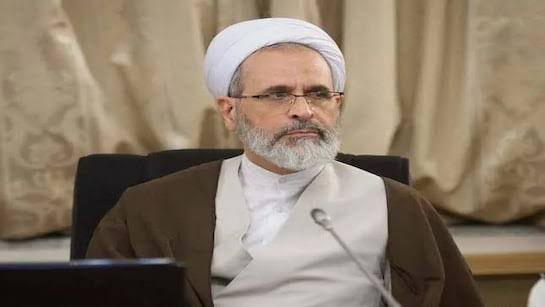
In a dramatic unfolding of events that has sent shockwaves throughout the Middle East and beyond, Iran’s political leadership has entered a new transitional phase. Following the reported death of Supreme Leader Ayatollah Ali Khamenei, Iran has activated a constitutional mechanism to ensure continuity of governance. Central to this transition is the appointment of Ayatollah Alireza Arafi as a member of the Interim Leadership Council.
The temporary council will assume the responsibilities traditionally vested in the Supreme Leader until a permanent successor is selected by the Assembly of Experts, a powerful clerical body within Iran’s political system.
This article explores:
Who Alireza Arafi is
What the Interim Leadership Council does
The constitutional framework behind this transition
Political implications inside Iran
Regional and international impact
Frequently asked questions
🧑⚖️ Who is Ayatollah Alireza Arafi?
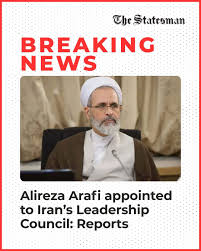
Ayatollah Alireza Arafi is a senior Iranian Shia cleric who has risen through the religious and political hierarchy of the Islamic Republic over several decades. Born in 1959 in Iran’s Yazd Province, Arafi has long been a key figure within institutions that shape both religious education and political power.
Clerical and Institutional Background
He has served on the Guardian Council, a body responsible for vetting legislation and election candidates.
Arafi also sits on the Assembly of Experts, which ultimately selects the Supreme Leader.
He has held academic and religious leadership roles, including heading Iran’s seminary system and other theological institutions.
These positions place him squarely within the core of Iran’s clerical establishment — and, as such, he was a natural choice to represent the religious authority on the Interim Leadership Council.
📜 The Constitutional Basis: Article 111
Iran’s Constitution foresaw the possibility of a leadership vacancy. Article 111 specifically outlines what should happen when the Supreme Leader is incapacitated or dies:
“If the Leader becomes incapable of fulfilling his legal duties or any qualification referred to in Articles 5 and 109 is lost, an Interim Leadership Council shall be formed.” — Article 111 (translated)
Rather than immediately installing a new Supreme Leader, this article allows a collective body to assume the leadership role temporarily.
🤝 What Is the Interim Leadership Council?
After Ayatollah Khamenei’s death, Iran announced the formation of a three-member Interim Leadership Council under Article 111 of its constitution. This council includes:
President Masoud Pezeshkian
Chief Justice Gholamhossein Mohseni-Ejei
Ayatollah Alireza Arafi (as the clerical jurist)
Role and Responsibilities
The council is empowered to:
Perform the duties of the Supreme Leader
Oversee the nation’s political, religious, and military leadership
Maintain state continuity until a successor is chosen by the Assembly of Experts
This arrangement is intended to temporarily replicate the broad authority of the Supreme Leader, including oversight of the military, judiciary, governance institutions, and foreign policy.
⚖️ Why Arafi’s Appointment Matters
Arafi’s role as the only senior cleric in the council is significant. In Iran’s governance model, the Supreme Leader not only holds executive influence but also serves as the highest religious authority. That makes Arafi’s presence on the council instrumental in lending legitimacy to interim arrangements — especially while the Assembly of Experts prepares to select a permanent successor.
⏱ What Happens Next: The Process of Choosing a New Leader
While the Interim Leadership Council holds authority now, the ultimate power to appoint Iran’s next Supreme Leader rests with the Assembly of Experts, an 88-member group of religious clerics elected across the country.
This body will convene and deliberate behind closed doors, vet candidates, and anticipate public stability and political loyalty as key selection criteria. However, there are no firm timelines yet for when this process will conclude.
🏛 Political Implications Inside Iran
The leadership transition comes at a moment of significant upheaval:
Iran has declared national mourning for Khamenei and instituted a 40-day period of official tribute.
Hardliners and establishment figures are poised to dominate any successor selection, given their influence within the Assembly of Experts and the Guardian Council.
Arafi’s position within the clerical elite makes him a respected if not central figure in legitimising continuity.
🌍 Regional and International Impact
The appointment comes amid ongoing military tensions following reported U.S.–Israeli aerial strikes on Tehran — and Iran’s subsequent responses.
These dynamics mean:
Regional powers are watching closely
Iran’s foreign policy stance could remain assertive under interim governance
International actors will test how collective leadership influences diplomatic negotiations
📈 Potential Scenarios in Leadership Outcomes
As the Assembly of Experts moves toward choosing a permanent leader, several scenarios could unfold:
Continuation of Hardline Control
A successor aligns closely with Khamenei’s ideological path.
Moderate Shift in Leadership Style
A leader acceptable to broader clerical factions could emerge.
Prolonged Council Governance
If no consensus is reached, the interim council might remain in place longer, creating potential internal power struggles.
Each path carries implications for Iran’s domestic policies, civil liberties, economy, and foreign relations.
❓ Frequently Asked Questions (FAQs)
1. Why was Alireza Arafi chosen for the Interim Leadership Council?
Arafi was selected in accordance with Article 111 of Iran’s constitution — which requires a jurist from the Guardian Council to be part of the transitional body until a new Supreme Leader is appointed. His strong clerical credentials and institutional ties made him a suitable choice.
2. Does this mean Arafi is the new Supreme Leader?
No. Arafi serves on a temporary council that collectively carries out the Supreme Leader’s duties. A permanent successor will be chosen by the Assembly of Experts.
3. What authority does the Interim Leadership Council have?
The council can exercise all functions of the Supreme Leader — including oversight of the military, judiciary, foreign policy, and governance — until a new leader is appointed.
4. How long will the interim period last?
There is no set timeline yet. It depends on how quickly the Assembly of Experts convenes and reaches a consensus on a new Supreme Leader.
5. How does this impact Iran’s political system?
This represents one of the most significant transitions since the 1979 Islamic Revolution. The collective leadership format temporarily replaces centralized power and influences how both domestic politics and foreign policy are managed.
🧾 Conclusion
The appointment of Ayatollah Alireza Arafi to Iran’s Interim Leadership Council marks a defining moment in the nation’s political history. While this three-member body steps in to maintain continuity of leadership, the next Supreme Leader’s selection will shape Iran’s future direction — politically, socially, and geopolitically.
As events continue to unfold, understanding both the constitutional framework and the key figures involved will be critical for tracking Iran’s trajectory beyond this transitional phase.
How useful was this post?
Click on a star to rate it!
Average rating 0 / 5. Vote count: 0
No votes so far! Be the first to rate this post.
About the Author

usa5911.com
Administrator
Hi, I’m Gurdeep Singh, a professional content writer from India with over 3 years of experience in the field. I specialize in covering U.S. politics, delivering timely and engaging content tailored specifically for an American audience. Along with my dedicated team, we track and report on all the latest political trends, news, and in-depth analysis shaping the United States today. Our goal is to provide clear, factual, and compelling content that keeps readers informed and engaged with the ever-changing political landscape.