Gang of Eight : Secret Intel, Capitol Power, Classified Briefings, Security Spotlight
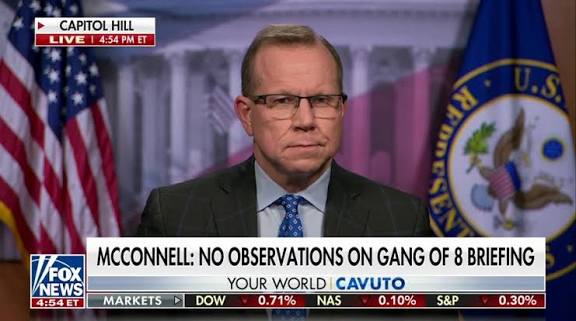
In the world of U.S. national security and intelligence oversight, a small yet powerful group known as the Gang of Eight plays an outsized role. Far from public view, these eight congressional leaders are entrusted with highly classified information about covert operations and sensitive government activities. Their access to secret intelligence gives them unique insight into the nation’s most guarded decisions — and places them at the intersection of secrecy, power, and democratic oversight.
But who exactly are they? Why do they matter? And how does their role impact the broader structure of American governance and security?
This article unpacks everything you need to know about the Gang of Eight — from statutory background and membership to real-world implications for Capitol Hill and national security policy.
🔐 What Is the Gang of Eight? An Overview

The Gang of Eight is a colloquial label for eight select members of the U.S. Congress who are legally authorized to receive confidential briefings from the executive branch on intelligence matters. Specifically, these briefings may include covert actions, classified operations, and other sensitive national security information that cannot be shared with the wider Congress or public due to secrecy concerns.
Under U.S. law — particularly Title 50 of the U.S. Code and the National Security Act of 1947 — the President must “ensure that the congressional intelligence committees are kept fully and currently informed of the intelligence activities of the United States” but can withhold details from the full intelligence committees and instead brief only the Gang of Eight in “extraordinary circumstances”.
This special arrangement is meant to balance executive secrecy with legislative oversight, ensuring that key lawmakers are aware of national security activities without broad dissemination of the most sensitive information.
👤 Who Are the Members of the Gang of Eight?
The composition of the Gang of Eight is defined by congressional leadership positions plus the leaders of the intelligence committees:
Speaker of the House
House Minority Leader
Senate Majority Leader
Senate Minority Leader
Chair of the House Permanent Select Committee on Intelligence
Ranking Member of the House Intelligence Committee
Chair of the Senate Select Committee on Intelligence
Ranking Member of the Senate Intelligence Committee
This mix ensures balanced, bipartisan representation from both chambers and both major U.S. political parties.
📜 Legal Framework: How the Gang of Eight Came to Be
The concept of the Gang of Eight didn’t arise by accident — it was shaped by decades of statutory reforms, internal debates, and changes to intelligence oversight:
🏛️ 1. Intelligence Oversight Act of 1980
This act formalized congressional oversight of intelligence activities and allowed the executive branch to notify only a select set of lawmakers under certain conditions — effectively creating the modern Gang of Eight system.
📜 2. National Security Act & Title 50
The National Security Act of 1947 and subsequent amendments specify the conditions under which intelligence operations must be reported and to whom, including provisions allowing the Gang of Eight to receive classified briefings when broader disclosure isn’t practical.
📡 What Kind of Intelligence Briefings Do They Receive?
Members of the Gang of Eight can be briefed on highly sensitive and often classified intelligence activities, which may include:
Covert operations authorized by the executive branch
Classified budget and funding details
Counterintelligence and espionage matters
Emerging threats and foreign security assessments
Classified investigations with national security implications
These briefings are often conducted by leaders of federal intelligence agencies — such as the Director of National Intelligence, Central Intelligence Agency, National Security Agency, and Department of Defense intelligence components.
Because of the sensitive nature of these topics, members of the Gang of Eight are under strict oath and legal obligation not to disclose any classified information they receive.
🏛️ Capitol Power: Influence Without Public Visibility
Despite their small number, members of the Gang of Eight wield significant influence in shaping U.S. security policy. Their access to classified briefs allows them to:
Advise fellow congressional leaders privately
Influence national security legislation
Advocate for or challenge executive branch intelligence actions
Participate directly in oversight of intelligence agencies
However, the very “secrecy as oversight” structure that gives them power also limits public accountability — a dynamic that has been both defended and criticized over the years.
⚖️ Secrecy vs Transparency: The Ongoing Debate
Critics argue that limiting intelligence briefings to only eight lawmakers can weaken broader congressional oversight and reduce transparency in government. For example, civil liberties groups have called for expanding the pool of lawmakers who receive classified briefings to improve accountability.
Proponents contend that secrecy is essential to protect national security and that the Gang of Eight structure is a practical compromise — ensuring accountability while minimizing the risk of leaks or unauthorized disclosures.
📰 Real-World Examples of Gang of Eight Briefings
Recent events show how the Gang of Eight continues to be central in managing classified information at the highest levels:
🗞️ 1. Classified Documents Briefed to Members
In 2023, leaders known as the Gang of Eight were briefed on investigations involving classified material found in the homes and offices of top U.S. political figures, including a sitting President and former senior officials.
🪖 2. National Security Briefings Amid International Tensions
In late 2025, key national security officials — including senior Defense and State Department leaders — were reported to brief the Gang of Eight on sensitive foreign policy and military developments.
These instances highlight the vital but opaque role the Gang of Eight plays in contemporary national security.
📊 Limits and Challenges of the Gang of Eight System
While the Gang of Eight has an undeniable role in bridging military, intelligence, and legislative domains, several limitations exist:
Restricted Oversight: Only eight lawmakers receive these confidential briefings, potentially narrowing oversight.
Secrecy vs Accountability: Public trust can suffer when classified decision-making lacks transparency.
Political Dynamics: Partisan divisions can complicate how information is interpreted and shared.
Legal Ambiguities: Determining when information should be limited to the Gang of Eight versus the full intelligence committees can be contentious.
🧭 The Future of Intelligence Briefings and Legislative Oversight
In an era of complex global threats — cyber warfare, emerging technologies, and asymmetric warfare — the mechanisms for intelligence oversight continue to be debated. Some lawmakers and analysts argue for reforming the Gang of Eight process to create broader oversight structures, while others defend the existing system’s balance between secrecy and legislative accountability.
Regardless of direction, the Gang of Eight will likely remain an enduring part of the American intelligence oversight landscape.
❓ Frequently Asked Questions (FAQs)
Q1: Why is the group called the “Gang of Eight”?
A1: The term is informal and refers to a specific group of eight congressional leaders authorized to receive classified intelligence briefings.
Q2: Does the Gang of Eight have authority to change or stop intelligence operations?
A2: No — the group can be informed but does not have direct operational control or veto authority over intelligence activities.
Q3: Are members of the Gang of Eight always bipartisan?
A3: Yes — positions are defined by leadership roles in both chambers and both major parties to ensure bipartisan inclusion.
Q4: How often are classified briefings held?
A4: Briefings occur as needed, particularly when intelligence agencies or the executive branch determine sensitive information must be shared with congressional leaders.
Q5: Can the public ever learn what the Gang of Eight was briefed on?
A5: Generally not — due to legal restrictions on classified information, details are rarely disclosed publicly unless partially declassified later.
🔍 Conclusion
The Gang of Eight operates at the heart of America’s intelligence oversight architecture. While shrouded in secrecy, its existence reflects the careful balance the U.S. tries to strike between protecting national security and maintaining democratic accountability. By understanding who they are, how they function, and why they matter, we gain insight into how classified intelligence and legislative power intersect — shaping decisions that affect national safety and global stability.
Whether you are a student of politics, a professional in governance, or simply curious about how secret intelligence is managed, the Gang of Eight remains a fascinating and critical component of U.S. national security policy.
How useful was this post?
Click on a star to rate it!
Average rating 0 / 5. Vote count: 0
No votes so far! Be the first to rate this post.
About the Author

usa5911.com
Administrator
Hi, I’m Gurdeep Singh, a professional content writer from India with over 3 years of experience in the field. I specialize in covering U.S. politics, delivering timely and engaging content tailored specifically for an American audience. Along with my dedicated team, we track and report on all the latest political trends, news, and in-depth analysis shaping the United States today. Our goal is to provide clear, factual, and compelling content that keeps readers informed and engaged with the ever-changing political landscape.