Beirut Alert: US Evacuation, Hezbollah Tension, Economic Crisis Boils
You sai
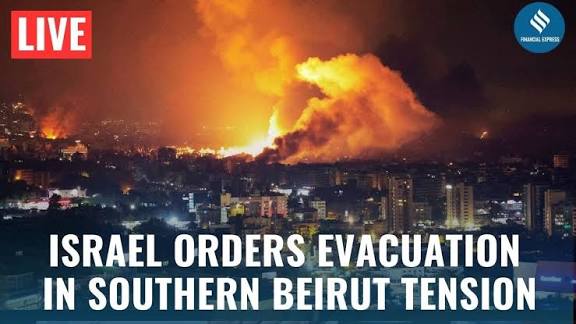
In early February 2026, a deepening crisis in Beirut, Lebanon triggered sweeping developments across diplomatic, security, and economic fronts. Most notably, the United States State Department ordered the withdrawal of non-essential personnel and family members from its embassy — marking a stark escalation in regional unease. At the same time, tensions with the Iran-aligned militia Hezbollah are rising, and Lebanon’s prolonged economic crisis shows no signs of abating, sparking mass protests and widespread distress.
This article offers a full, evidence-based breakdown of what’s unfolding in Beirut, why it matters, and how local and global actors are reacting.
1. Why the US Ordered an Evacuation in Beirut
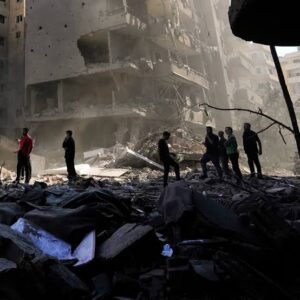
On February 23, 2026, the United States State Department announced it was ordering the departure of non-essential US diplomats and eligible family members stationed at the US Embassy in Beirut. This came amid heightened fears of a possible military confrontation involving Iran and its regional partners.
Officials described the move as precautionary and temporary, emphasizing that the embassy would remain functional with core staff on site. Still, the step reflects a significant reassessment of security risks for foreign missions in Lebanon.
Underlying Reasons
Regional tension with Iran: The US has ramped up military assets across the Middle East in response to concerns about Iranian actions and intentions — particularly regarding its nuclear program and proxy networks.
Volatility on Lebanese soil: Lebanon’s long history of conflict — from civil war to foreign interventions — makes any regional flare-up particularly volatile. Hezbollah’s involvement in broader geopolitical struggles adds complexity.
Signal to domestic audiences: By reducing personnel, Washington is signaling seriousness about deteriorating security conditions without completely abandoning diplomatic engagement.
This evacuation is not the first time Lebanon has seen US withdrawals. Similar calls for departure were issued in 2023 and 2024 amid clashes along Israel’s northern border.
2. Hezbollah’s Role and Rising Regional Tensions
Hezbollah, a Shiite political and militia group backed by Iran, has long been a central actor in Lebanon’s politics and conflicts. As Lebanese politics remains fragmented, Hezbollah’s military strength and strategic positioning make it a key source of tension with neighboring Israel and global powers like the United States.
Conflict Background
Although a cease-fire between Israel and Hezbollah has occasionally held, sporadic skirmishes and cross-border clashes have continued. Past Israeli airstrikes have targeted Hezbollah positions and infrastructure, including sites in Beirut’s southern suburbs.
These underlying tensions — often tied to conflicts involving Iran, Israel, and Palestinian groups — make Lebanon an unpredictable flashpoint. Analysts argue that Hezbollah’s significant arsenal and political influence in Beirut complicate any diplomatic or military plans.
3. Lebanon’s Deepening Economic Crisis
While security tensions grab international headlines, Lebanon’s economic collapse remains an equally devastating crisis for citizens.
Key Economic Stressors
Hyperinflation and currency collapse: Since 2019, the Lebanese pound has lost most of its value, devastating savings and eroding real income.
Protests and public anger: Recent tax increases, particularly on fuel, have reignited protests, blocking major roads in and around Beirut.
Energy shortages and infrastructure failures: Lebanon has suffered repeated nationwide blackouts due to fuel shortages — crippling essential services and stifling economic activity.
Banking instability: Lebanon’s banks have struggled with liquidity, capital controls, and loss of public trust, further hampering economic recovery.
This economic spiral has fueled widespread frustration, with many families struggling to afford basic goods and services — even as political leaders struggle to form a stable government and implement reforms.
4. Human Cost and Public Response
The combined pressures of political instability, economic hardship, and security concerns have had profound effects on everyday life in Beirut.
Protests and Civil Unrest
Recent demonstrations — sparked by proposed tax hikes — reflect anger over rising costs and deteriorating government services. Many Lebanese citizens draw parallels between today’s struggles and those of 2019, when similar protests erupted over corruption, inequality, and economic decline.
Daily Life Disruptions
Frequent electricity outages, fuel fuel price volatility, and shrinking employment opportunities contribute to widespread hardship. Humanitarian groups warn that Lebanon’s social services are under strain, especially as public dissatisfaction grows.
This combination of economic and political pressures risks creating a feedback loop of instability that could have long-term repercussions for Lebanon’s future.
5. International Reactions and Travel Advisories
The escalating situation hasn’t gone unnoticed internationally. Governments, including the United States, United Kingdom, and Australia, have updated travel advisories, urging their citizens to reconsider travel to Lebanon — particularly near volatile border regions.
While evacuation orders like the recent US embassy action target diplomatic staff first, foreign nationals and dual citizens in Lebanon are warned to stay vigilant and consider exit plans if commercial travel options remain open.
6. What Happens Next? Expert Analysis
Uncertainty remains a defining feature of Lebanon’s outlook. Analysts identify several possible scenarios:
Scenario A: Escalation
A new confrontation between Hezbollah and Israel — potentially tied to wider Israel-Iran hostilities — could push Lebanon into broader conflict.
Scenario B: Diplomatic Push
International pressure and back-channel talks may spur negotiations intended to prevent war, even as tensions simmer. Recent diplomatic engagement between Israeli and Lebanese officials — including facilitation by third parties — aims to avert full-scale conflict.
Scenario C: Economic Reform
Economic reforms, supported by international financial institutions and diaspora investment, could stabilize Lebanon’s economy — though political resistance remains significant.
Each trajectory carries implications for domestic stability, regional alignments, and international interests.
Frequently Asked Questions (FAQs)
1. Why is the US evacuating staff from Beirut?
The US ordered non-essential diplomatic staff and their families to leave Beirut due to rising security risks linked to potential regional conflict, particularly tensions with Iran and its allies.
2. Is Hezbollah preparing for war with Israel?
While open war has not been confirmed, sporadic clashes and past skirmishes signal persistent tensions, and Hezbollah retains a significant military capacity, which makes flare-ups a persistent risk.
3. How bad is Lebanon’s economic crisis?
Lebanon’s economy has been in severe decline for years, with currency collapse, fuel shortages, power outages, and widespread public protests all pointing to deep structural problems.
4. Are foreign citizens being evacuated from Lebanon?
Currently, evacuation directives primarily target diplomatic staff and their families. Other foreign nationals are advised to consider departure due to elevated travel warnings.
5. What risks do residents face in Beirut today?
Residents face economic hardship, unstable public services, and the looming risk of renewed conflict, particularly along Lebanon’s northern border near Israel.
Conclusion
The situation in Beirut and Lebanon paints a complex picture of geopolitical tension and domestic crisis. A recent US Embassy evacuation order underscores rising security concerns tied to broader Middle East instability, while Hezbollah’s role and Lebanon’s persistent economic collapse compound the challenges facing the nation. For Lebanese citizens, international observers, and foreign nationals alike, understanding these interconnected dynamics is crucial — as events in Beirut continue to shape both regional stability and global diplomacy.
How useful was this post?
Click on a star to rate it!
Average rating 0 / 5. Vote count: 0
No votes so far! Be the first to rate this post.
About the Author

usa5911.com
Administrator
Hi, I’m Gurdeep Singh, a professional content writer from India with over 3 years of experience in the field. I specialize in covering U.S. politics, delivering timely and engaging content tailored specifically for an American audience. Along with my dedicated team, we track and report on all the latest political trends, news, and in-depth analysis shaping the United States today. Our goal is to provide clear, factual, and compelling content that keeps readers informed and engaged with the ever-changing political landscape.