Government Shutdown Crisis : TSA PreCheck Suspended, DHS Strain, Budget Impasse
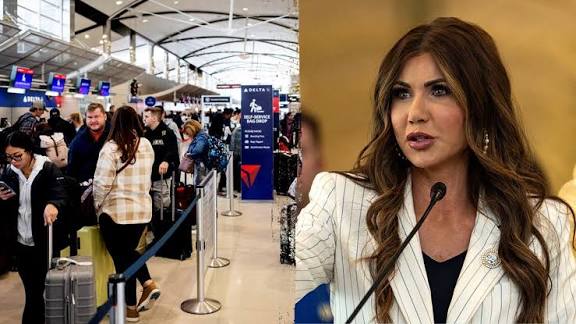
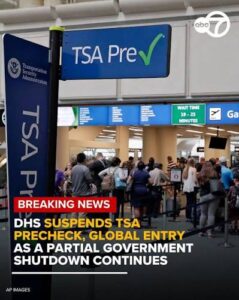
The United States is once again facing a political and operational crisis as a partial government shutdown continues to ripple through federal agencies — most notably the Department of Homeland Security (DHS). In a historic move, trusted traveler programs like TSA PreCheck and Global Entry were slated for suspension amid deepening budgetary gridlock in Congress. The impasse has heightened tensions between lawmakers, strained essential security operations, and triggered widespread concern among travelers, the travel industry, and federal employees alike.
This article breaks down the causes, impacts, and implications of the ongoing shutdown — offering expert insight, data, and answers to critical questions about this unfolding national crisis.
Background: What’s Causing the Government Shutdown?
A government shutdown occurs when Congress fails to pass annual appropriations bills or temporary continuing resolutions (CRs) to fund federal agencies. On February 14, 2026, DHS funding lapsed after negotiations in Congress collapsed — largely over sharp disagreements tied to immigration policy reforms and oversight demands. These disputes erupted following controversial actions by federal law enforcement earlier in the year, prompting Democrats to withhold support for a DHS funding bill absent additional reforms.
The result: while much of the federal government remains operational under other appropriations, DHS — the cabinet agency responsible for airport security, border control, and disaster response — entered a partial shutdown. This has forced officials to make tough choices about which programs to maintain, allocate limited staffing, and which to suspend entirely.
TSA PreCheck and Global Entry: Suspension Explained
In an unprecedented development tied directly to the funding lapse, the Department of Homeland Security announced plans to suspend two critical trusted-traveler programs:
TSA PreCheck — a popular program allowing vetted travelers to pass through airport security with expedited screening.
Global Entry — a U.S. Customs and Border Protection program that offers expedited entry for pre-approved international travelers.
The suspension was set to begin at 6 a.m. ET on Sunday, February 23, 2026. DHS officials, including Secretary Kristi L. Noem, said the move was necessary to redirect limited staff and resources to basic screening duties, prioritizing the general traveling public over optional privileges.
However, amid confusion and mixed reporting — including statements from TSA that PreCheck services were still operating — the status became somewhat murky, with authorities clarifying that PreCheck remains operational for now but could see adjustments depending on staffing constraints.
Why Is This Significant?
Trusted traveler programs are not just conveniences; they are core components of the U.S. travel infrastructure:
TSA PreCheck serves tens of millions of frequent flyers, drastically reducing security line wait times.
Global Entry speeds up customs processing for international arrivals.
Suspending these services — or even just threatening to do so — signals the severity of the shutdown and illustrates how even high-profile, publicly visible programs are vulnerable when federal funding lapses.
Impact on Travelers and Airports
The suspension or potential interruption of TSA PreCheck and Global Entry has direct and immediate consequences:
1. Longer Lines and Delays
Without expedited screening, travelers may face longer wait times at security checkpoints and customs stations — a scenario that could ripple through major hubs across the country.
Airlines and travel industry groups are expressing serious concerns. Industry leaders warn that disruptions to trusted traveler programs will fuel delays, reduce airport efficiency, and amplify congestion — especially during peak travel periods.
2. Confusion and Uncertainty
One of the immediate consequences for passengers is uncertainty. Reports surfaced citing both the suspension of services and conflicting official statements that PreCheck remains operational. Such mixed messaging — even if temporary — fuels traveler anxiety and complicates planning.
3. Travel Industry Pressure
Major U.S. airlines are urging lawmakers to resolve the shutdown quickly, stressing that prolonged disruption would harm both domestic and international travel sectors.
Operational Strain on DHS and TSA Employees
A shutdown doesn’t just affect programs — it affects the people who run them:
Essential but Unpaid Workforces
Under the current lapse in DHS funding:
Thousands of TSA and CBP officers continue to work — but without regular pay.
Staffing shortages already existing from previous shutdowns compound fatigue and low morale.
These dynamics strain operational efficiency, as essential employees balance professional duties with personal financial stress.
Broader Service Curtailments
DHS has also paused non-disaster operations at FEMA and suspended some courtesy services — choices made to reallocate personnel to core functions like air travel and border security.
Political Impasse: Why Congress Is Deadlocked
At the heart of the shutdown is a deep budgetary and philosophical divide in Congress:
Democrats demand stricter oversight and reforms tied to immigration enforcement and accountability following controversial federal law enforcement actions.
Republicans stress national security concerns and resist reforms viewed as weakening enforcement.
This standoff has stalled DHS funding and triggered repeated shutdowns within the 119th Congress.
Historical Context: Shutdowns and Travel Impacts
This isn’t the first time shutdowns have hit the U.S., but it is rare for travel programs like TSA PreCheck and Global Entry to be directly threatened.
By contrast:
During lengthy past shutdowns (like the 2018-19 federal closure), TSA workers continued screening operations — though delays and staffing challenges emerged — but programs were not formally suspended.
The current dispute illustrates how essential services can be put at risk when negotiations break down.
What Happens Next?
As the shutdown continues:
Congressional leaders face mounting pressure to reach a compromise before operational impacts worsen.
Travel disruptions may deepen if DHS funding remains unresolved.
The travel industry, passengers, and federal employees await a resolution that could come via continuing resolution negotiations or a final appropriations agreement.
Frequently Asked Questions (FAQs)
1. Why is TSA PreCheck being suspended?
TSA PreCheck is being suspended because the Department of Homeland Security lacks funding due to a government shutdown, forcing officials to reallocate resources to basic security screening.
2. Is TSA PreCheck still operational?
As of the latest updates, the TSA has clarified that PreCheck remains operational with no change for now, though certain support services like courtesy escorts have been suspended and changes could occur depending on staffing.
3. What is a government shutdown?
A government shutdown happens when Congress fails to pass funding legislation by a deadline, forcing certain federal agencies to cease non-essential operations until funding is resumed.
4. How does the shutdown affect airport security?
Airport security continues, but trusted traveler services may be limited, wait times could lengthen, and additional operational constraints may apply.
5. Who is responsible for the shutdown?
Both political parties have traded blame — Democrats for blocking funding without reform agreements, and Republicans for resisting certain reforms — leaving DHS stuck in the impasse.
6. When will the shutdown end?
The shutdown will end once Congress passes appropriations or a continuing resolution to fund DHS, which remains uncertain in the current political climate.
7. Are TSA employees still working?
Yes — most TSA employees are considered essential and continue to work, although pay is delayed until funding is restored.
8. Will this impact international travelers?
Yes — disruptions to Global Entry can slow customs processing for frequent international arrivals.
9. What can travelers do?
Travelers should plan for longer lines, monitor official TSA and airport advisories, and allow extra time when flying.
10. Has anything like this happened before?
Shutdowns have impacted services historically, but the potential suspension of trusted traveler programs marks a rare escalation in travel disruption.
Conclusion
The government shutdown crisis unfolding in the United States — exemplified by threats to suspend TSA PreCheck and strain on DHS operations — illustrates how political gridlock can rapidly translate into real-world disruption. From airport security to national budgets and worker morale, the impacts are broad and consequential.
As negotiations continue, travelers, lawmakers, and industry stakeholders will be watching closely, hoping for resolution before operational consequences deepen and the travel system faces larger repercussions.
How useful was this post?
Click on a star to rate it!
Average rating 0 / 5. Vote count: 0
No votes so far! Be the first to rate this post.
About the Author

usa5911.com
Administrator
Hi, I’m Gurdeep Singh, a professional content writer from India with over 3 years of experience in the field. I specialize in covering U.S. politics, delivering timely and engaging content tailored specifically for an American audience. Along with my dedicated team, we track and report on all the latest political trends, news, and in-depth analysis shaping the United States today. Our goal is to provide clear, factual, and compelling content that keeps readers informed and engaged with the ever-changing political landscape.