Dan Ariely Files : Epstein Emails, Duke Center Closure, Public Scrutiny
You sa
In early 2026, the release of millions of Jeffrey Epstein files triggered global scrutiny of prominent figures across academia, politics, and corporate leadership. Among the names repeatedly appearing in email chains and correspondence was Duke University professor Dan Ariely, raising questions about his relationship with Epstein, the integrity of academic institutions, and the reputational fallout for those named.
This comprehensive article explores the timeline, the content of the emails, Duke’s responses (including the closure of Ariely’s research center), reactions from the academic community and public, and what this means for Ariely’s work and legacy.
Who Is Dan Ariely?

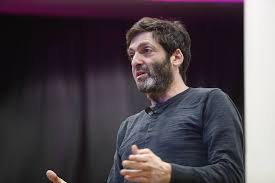
Dan Ariely is a well-known behavioral economist, author, and professor of business administration at Duke University’s Fuqua School of Business. He gained widespread recognition for his research on irrational human behavior, ethical decision-making, and motivations. Ariely’s popular books and TEDx appearances have helped bridge academia and public understanding of behavioral science.
Despite his influence, Ariely’s work has not been free from controversy. In 2021 and 2024, questions were raised about some of his academic publications, with at least one paper retracted due to issues with the underlying data.
What Are the Epstein Files?
The Epstein Files refer to a massive trove of internal documents, emails, photos, and videos connected to financier and convicted sex offender Jeffrey Epstein. Under the Epstein Files Transparency Act, the U.S. Department of Justice released millions of pages of material in January 2026 to comply with legal mandates for transparency.
These files exposed countless relationships between Epstein and high-profile academics, business leaders, diplomats, and politicians. For many academics, including Ariely, the files didn’t necessarily imply wrongdoing — but they did spark scrutiny about the nature and extent of their interactions with Epstein.
Dan Ariely and the Epstein Emails
According to released documents, Dan Ariely’s name appears hundreds of times in email threads with Epstein from 2009 to 2019. Highlights of the correspondence include:
The first mention of Ariely in the files in April 2009, when Epstein reached out about having Ariely speak at a West Palm Beach event.
Multiple in-person meetings between Ariely and Epstein from 2010 to 2015.
Ariely inviting Epstein to talks and seeking his help introducing him to other contacts, including former Ashley Madison CEO Noel Biderman.
An email from Ariely asking Epstein for the details of a woman “very very smart” whom they both knew, without alleging misconduct — but raising eyebrows about personal remarks in official documents.
Despite the volume of interactions, Ariely has maintained that the correspondence was “infrequent, largely logistical pertaining to conferences and academia,” and that there was “zero financial, professional, or ongoing relationship” with Epstein.
Closure of Ariely’s Research Center at Duke
In February 2026, Duke University announced the closure of several academic research centers, including the Center for Advanced Hindsight, which Ariely helped found and lead.
The university’s administration stated the closures were part of a “strategic realignment” of research priorities and not directly linked to the Epstein files.
Yet, the timing prompted widespread speculation, especially amidst growing public discourse online. Many observers — including faculty peers, students, and public commentators — believe the scrutiny from the files may have pressured Duke officials, even if the official explanation avoided directly tying the decision to Epstein-related disclosures.
Academic Debate: Ethics vs. Association
The release of Epstein’s files has prompted broader questions about where to draw lines between professional association and moral accountability in academia. A range of reactions has emerged:
1. Institutional Scrutiny
Other universities have faced similar controversies. In some cases, faculty members who maintained correspondence with Epstein have been stripped of titles or teaching duties.
Yet in many academic cases, universities have struggled to draw clear lines — particularly when correspondence was professional and not demonstrably unethical or criminal.
2. Public Perception and Reputation
For public figures like Dan Ariely, even indirect associations can have reputational impacts. Emails, regardless of context, can fuel narratives of poor judgment or questionable ethics in the court of public opinion.
Public Reactions and Online Discussion
On social platforms like Reddit and academic forums, commenters have expressed diverse and often heated perspectives:
Some describe Ariely’s presence in the Epstein files as evidence of poor ethical judgment in academic relationships.
Others argue that university research culture can be fraught with reputational vulnerabilities, and that being named is not equivalent to misconduct.
A segment of commenters claims broader issues — such as research integrity, reproducibility, and ethics — have long shadowed Ariely’s career independently of the files.
These discussions reflect how social media can amplify public scrutiny well beyond formal institutional assessments.
Wider Impacts of the Epstein Files
Although Dan Ariely’s situation is specific, his case is part of a larger pattern from the files’ release:
1. Widespread Scrutiny Across Sectors
Politicians, diplomats, corporate executives, and academics have faced questions about their associations with Epstein. Some leaders resigned, while others saw investigations launched.
2. Reputational Risk and Institutional Governance
The files have underscored how reputational risk now plays a central role in institutional governance, whether or not direct wrongdoing occurred.
3. Ongoing Legal and Policy Developments
Legal debates continue over privacy issues, redactions, transparency mandates, and how survivor identities are protected in public releases of sensitive files.
What’s Next for Dan Ariely?
At the time of writing, Ariely remains a faculty member at Duke, but without the research center that once bore his leadership. Public scrutiny — both from media and social platforms — continues to shape perceptions of his work.
Whether Ariely can recover his reputation may depend on how he addresses both the specifics of his interactions with Epstein and broader concerns about research ethics that predated the files.
FAQs: Dan Ariely & Epstein Files
Q1: Was Dan Ariely accused of any crime in the Epstein files?
No. There have been no allegations of criminal conduct against Ariely in the files. His correspondence with Epstein appears mostly logistical and intellectual in nature.
Q2: Why did Duke close Ariely’s research center?
Duke describes the closure as a strategic realignment of research priorities, not explicitly due to the Epstein revelations. However, public and academic scrutiny has fueled speculation about indirect influence.
Q3: Do the Epstein files prove wrongdoing by Ariely?
No. The files documenting emails alone do not equate to proof of misconduct. Context, purpose, and content are crucial in interpreting relevance.
Q4: Are other academics facing consequences from the Epstein files?
Yes. Some academics have lost titles or faced institutional reviews due to their interactions with Epstein.
Q5: What lessons does this episode offer for academic institutions?
The controversy highlights the importance of clear ethical policies, transparency in relationships with donors and outsiders, and proactive communication strategies to uphold public trust.
Conclusion
The Dan Ariely Files controversy underscores the complex interplay between public reputation, academic relationships, ethical accountability, and institutional decision-making. While Ariely’s emails with Jeffrey Epstein do not allege criminal action, they have fueled public debate and triggered institutional shifts — emblematic of the broader effects of the Epstein files release.
As universities and scholars navigate this landscape, the episode highlights ongoing tensions between scholarly collaboration and ethical boundaries in a world where transparency is both expected and intensely scrutinised.
How useful was this post?
Click on a star to rate it!
Average rating 0 / 5. Vote count: 0
No votes so far! Be the first to rate this post.
About the Author

usa5911.com
Administrator
Hi, I’m Gurdeep Singh, a professional content writer from India with over 3 years of experience in the field. I specialize in covering U.S. politics, delivering timely and engaging content tailored specifically for an American audience. Along with my dedicated team, we track and report on all the latest political trends, news, and in-depth analysis shaping the United States today. Our goal is to provide clear, factual, and compelling content that keeps readers informed and engaged with the ever-changing political landscape.