Margaret Hodge : Westminster Shock, Labour Turmoil
You sai
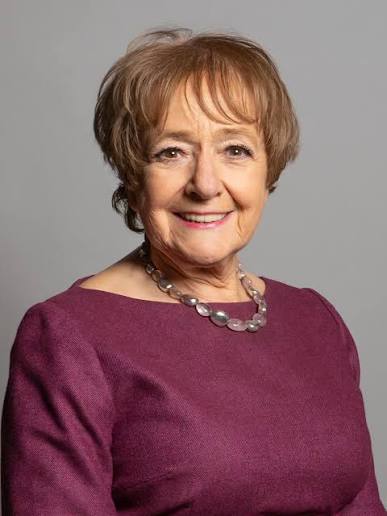
Margaret Eve Hodge, better known today as Baroness Margaret Hodge of Barking, stands as one of the most controversial and influential figures in modern British politics. Her four-decade career encompassed key ministerial roles, powerful committee leadership, and a reputation for tenacity and outspoken critique — both in Westminster and within her own party. From dramatic confrontations over tax avoidance and corruption to contributing to deep rifts within the Labour Party, Hodge’s legacy is complex and far-reaching.
This article explores how Hodge’s political journey became intertwined with shocks and turmoil — from the corridors of Westminster to passionate internal Labour disputes — shaping debates on accountability, corruption, ideology, and party unity.
Early Life and Entry into Politics

Margaret Hodge was born Margaret Eve Oppenheimer in Alexandria, Egypt, in 1944. Her journey to becoming a major voice in UK politics began with her family’s relocation to Britain, followed by education at the London School of Economics and early involvement in local governance.
Her political career started on the Islington Council in 1973. She quickly rose through the ranks, becoming the leader of the council from 1982 to 1992. These formative years shaped her reputation as a determined leader prepared to tackle entrenched problems at close quarters.
Climbing the Parliamentary Ladder
In 1994, Hodge was elected as the Member of Parliament for Barking — a constituency she would represent for 30 years. During her long parliamentary tenure, she held various ministerial positions across departments, including Employment, Universities, Children’s Services (becoming the first Children’s Minister), and Culture.
Her approach was always direct. Whether dealing with welfare reform or education policy, Hodge struck many as unafraid of confrontation — a trait that would later become as much a political liability as it was an asset.
Chair of the Public Accounts Committee — Westminster’s Watchdog
Hodge’s tenure as Chair of the House of Commons Public Accounts Committee (PAC) from 2010 to 2015 marked a defining period. Under her leadership, the PAC transformed from a technical auditing panel into one of Parliament’s most scrutinized and dramatic bodies.
She became known for robust questioning of company executives and bureaucrats, earning a reputation for cutting through evasive answers and relentlessly pushing for accountability. From Amazon to Google, witnesses before the committee often faced tough testimony — a public show of parliamentary power rarely seen before her chairmanship.
Some political commentators even likened her approach to a theatrical performance, where interrogation became spectacle — not just oversight. Regardless of one’s view of her methods, it was clear that Hodge had reshaped how Westminster viewed fiscal and corporate accountability.
Controversies and Fault Lines Within Labour
Despite her prominence, Hodge’s career was far from free of controversy — particularly within her own party. Her outspokenness on internal issues exacerbated tensions during periods of factional conflict.
1. Anti-Corbyn Opposition:
During the leadership of Jeremy Corbyn, Hodge emerged as a formidable critic. She was among those pushing motions of no confidence in his leadership and eventually supported a leadership challenge. This deepened divisions between the moderate and left wings of the party, leading to sharp public disagreements and internal strife.
2. Antisemitism and Party Discipline:
Hodge stood at the centre of one of the Labour Party’s most contentious debates — over how to handle accusations of antisemitism. In 2018, she confronted Corbyn directly over the party’s definition and response to antisemitic allegations. While Labour threatened disciplinary action against her, the case was eventually dropped. This episode further highlighted the internal fractures and left lasting unease among party members.
3. Trigger Ballot Challenges:
Her long tenure as MP came under pressure from local party activists, including a trigger ballot in 2019 that indicated significant local discontent. While she remained in place until 2024, this episode underscored the growing unease with her positions among some grassroots Labour members.
Through these internal battles, Hodge became a polarizing figure: revered by some for her courage and criticised by others for allegedly undermining party unity.
Role as Anti-Corruption Champion — New Westminster Shock
In a major 2024 development, Dame Margaret Hodge was appointed the UK’s Anti-Corruption Champion, a role aimed at combating corruption and the flow of “dirty money” in Britain and abroad.
In this capacity, she works with Parliament, the private sector, civil society, and international partners to strengthen anti-corruption frameworks and transparency. The announcement was significant — not only for recognising Hodge’s long commitment to accountability but also because it symbolised a renewed governmental focus on financial integrity and ethical economic oversight.
Hodge’s appointment was part of a broader strategy that included increased funding for the National Crime Agency’s International Corruption Unit, signalling that corruption and illicit finance would remain priorities for the UK government.
This role positions her not just as a figure of internal UK debate but as a key voice in global efforts to curb corruption — an unexpected twist for a politician long known for sparring with both corporations and colleagues.
Legacy — A Story of Accountability, Conflict, and Change
As Margaret Hodge entered the House of Lords in 2024, culminating her parliamentary career, her legacy stood as a blend of resilience, controversy, and reformist zeal.
To supporters, she represents integrity: relentlessly challenging tax avoidance, corruption, and opaque corporate practices, while advocating for transparency in public spending. These are battles that resonate well beyond the political centre and make her a formidable figure on the issues of ethical governance.
To critics, however, her confrontational style and role in internal party conflicts symbolised a Labour Party at odds with itself — struggling to balance ideological diversity, discipline, and unity.
Regardless of viewpoint, one thing is clear: Margaret Hodge’s political journey — from local councillor to anti-corruption champion — tells a larger story about British politics in the 21st century — where accountability, factional debate, and institutional change intersect with the public’s demand for transparency.
❓ Frequently Asked Questions
1. Who is Margaret Hodge and why is she significant?
Margaret Hodge is a British politician and life peer who served as MP for Barking for 30 years, chaired the Public Accounts Committee, and later became the UK’s Anti-Corruption Champion. Her career has been marked by rigorous oversight, political controversy, and high-profile leadership roles.
2. What controversies has Margaret Hodge been involved in?
Key controversies include her outspoken opposition to Jeremy Corbyn’s leadership, debates over antisemitism handling within Labour, and intense PAC scrutiny of corporate figures. These episodes sometimes deepened divisions both within her party and across UK politics.
3. What is the Anti-Corruption Champion role?
Appointed in 2024, this role involves working across government and society to strengthen efforts against corruption and illicit finance, signalling both UK domestic and international commitments to transparency and accountability.
4. How did colleagues and the public react to Hodge’s leadership roles?
Reactions have been mixed: while many praise her determination and accountability efforts, others view her confrontational style as divisive, especially during periods of internal Labour conflicts.
5. What is Margaret Hodge’s legacy?
Her legacy is one of reformist drive and polarizing influence — reshaping public accounts oversight, exposing tax and corruption issues, and embodying the broader ideological debates that have defined contemporary British politics.
📌 Conclusion
Margaret Hodge’s influence on British politics has been profound and often controversial. Whether through her dynamic leadership in Westminster, fierce stance on accountability, or involvement in Labour’s internal debates, she remains a figure whose career encapsulates both the achievements and the tensions of modern political life.
Her story — from council chambers to anti-corruption leadership — reflects the evolving landscape of governance, ethical scrutiny, and party politics in the UK.
How useful was this post?
Click on a star to rate it!
Average rating 0 / 5. Vote count: 0
No votes so far! Be the first to rate this post.
About the Author

usa5911.com
Administrator
Hi, I’m Gurdeep Singh, a professional content writer from India with over 3 years of experience in the field. I specialize in covering U.S. politics, delivering timely and engaging content tailored specifically for an American audience. Along with my dedicated team, we track and report on all the latest political trends, news, and in-depth analysis shaping the United States today. Our goal is to provide clear, factual, and compelling content that keeps readers informed and engaged with the ever-changing political landscape.