UK Passport Rules Update: Dual Citizens Feb 25 Deadline, Entry Changes

From 25 February 2026, the United Kingdom is introducing major passport and travel entry changes that directly affect dual British citizens worldwide. In a significant shift to its immigration and border control policies, the UK government has announced that dual nationals will no longer be permitted to enter the country on a foreign passport alone — a rule that has major implications for millions of people who hold British citizenship alongside another nationality.
This comprehensive guide breaks down what’s changing, why it matters, and how dual citizens can prepare before the deadline.
Why the UK Is Changing Its Passport Rules
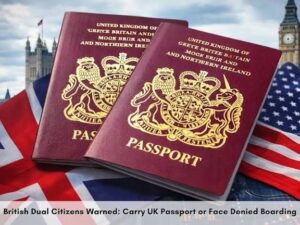
The UK government is moving towards a fully digital travel and immigration system, part of a broader push to modernise border controls, improve security, and streamline the movement of people entering the country. By implementing an Electronic Travel Authorisation (ETA) system for non-visa nationals and requiring verified documentation before travel, the Home Office says airlines and border agents can more quickly and accurately confirm travellers’ eligibility to enter the UK.
Under the updated rules:
Visitors who normally don’t need a visa — including nationals of the USA, Canada, Australia and many EU countries — will need an ETA before travel.
Physical visa stickers and some traditional status documents will be phased out, replaced by digital eVisas or ETA approvals linked to passports.
Dual British citizens can no longer use only their non-UK passport to enter the UK; they must present specific travel documentation.
What the Rule Change Means for Dual British Citizens
Until now, many dual British citizens travelling from abroad used their other passport (e.g., American, Australian, Canadian) to enter the UK without difficulty — often to avoid visa or ETA charges for that nationality. But under the new rules, arriving in the UK without a valid British passport (or acceptable alternative documentation) could lead to denied boarding or refusal of entry.
Key Requirements from 25 February 2026:
Dual British citizens will need ONE of the following:
A valid British passport — strongly recommended as the primary document for entry.
A non-UK passport with a Certificate of Entitlement to the Right of Abode (CoE), digitally linked to the passport.
Emergency travel documents in exceptional circumstances.
No ETA or standard visa can substitute for these options for dual citizens — even if their foreign passport would normally qualify them for visa-free travel.
Why Dual Citizens Can’t Use an ETA
An ETA is designed for visa-exempt foreign nationals visiting the UK — but it cannot be granted to someone who is a British citizen. This means that dual citizens can’t apply for an ETA using their non-UK passport once the British citizenship status is established; instead, they must rely on the documents listed above.
In effect, this policy change ensures everyone entering the UK as a British citizen must prove their status with the correct British documentation, not simply a foreign passport.
Certificates of Entitlement: What You Should Know
If a dual citizen doesn’t yet have a British passport, they can apply for a Certificate of Entitlement (CoE) to the Right of Abode, which can be included with their second nationality passport. However, this certificate:
Costs significantly more than a British passport (often around £589).
Takes several weeks to process in many cases.
May not be accepted at boarding if not correctly linked and documented.
Because of the cost and waiting times associated with the CoE, many dual citizens are rushing to renew or secure British passports before the 25 February deadline.
Can You Enter the UK Without a British Passport?
In short — under the new rules, not normally. If a dual national tries to board a flight, ferry or train to the UK using only a foreign passport without a CoE or valid British passport, they risk being:
Denied boarding by the carrier, or
Denied entry upon arrival.
Carriers are now required to screen documentation before departure, and failure to present acceptable papers could lead to refusal to travel.
Some airlines have indicated they might accept other proof of nationality at their discretion — such as an expired British passport — but this is not guaranteed and varies by carrier.
Who Is Most Affected?
The rule change impacts a large group of travellers, including:
British overseas citizens who have not kept up British passports.
British citizens who gained citizenship through descent and never applied for a UK passport.
Families with children born abroad who hold dual nationality.
Long-term residents in countries like Australia, Canada, and the USA.
A primary concern is families who didn’t expect this change and now face sudden passport application delays, higher costs, or missed travel plans due to the short notice period.
Exceptions and Special Cases
Irish Citizens
Dual citizens who hold Irish passports are currently exempt and can continue to use their Irish travel documents under the Common Travel Area arrangements.
Children and Young Nationals
Children who are British by descent and hold a foreign passport will also need to obtain either a British passport or a CoE. The rules apply equally to minors.
Steps to Prepare Before Feb 25
To avoid disruption or denied entry, dual citizens should act now:
Apply or renew a British passport as soon as possible.
If timing is tight, consider applying for a Certificate of Entitlement.
Link all digital travel documents to your current passport in your UKVI account.
Carefully check airline requirements before departure.
Ensure all names and details are accurate and consistent across documentation.
Preparation is key, because the enforcement deadline is strict — and carriers are unlikely to accept E-TAs or foreign passports alone once the new rules take effect.
Impact on Travel Planning and Costs
For many dual nationals, this update is more than a bureaucratic tweak — it affects travel budgets and plans:
British passport applications cost significantly less than a Certificate of Entitlement, but may take longer to receive.
The certificate cost is high and may be financially burdensome for families with multiple affected members.
Booking travel without the right documentation could lead to last-minute cancellations or delays.
Many travellers are now rushing to apply for passports and certificates before the cut-off date to ensure smooth entry upon arrival.
Criticism and Controversy
The policy change has sparked debate and concern. Critics argue:
The short notice period has left many dual nationals scrambling for documents.
Costs associated with certificates are considered excessive compared with similar systems in other countries.
Families and individuals may be unaware of their status or unable to secure documentation in time.
Some feel the policy unfairly penalises people who had no need to use a British passport until now.
Local political groups have called for grace periods and more affordable alternatives to ease the transition, especially for urgent travel and family emergencies.
FAQs: UK Passport Rules Update for Dual Citizens (Feb 25)
1. What happens if I arrive in the UK without a British passport after Feb 25?
You may be denied entry or refused boarding unless you have a valid British passport or a Certificate of Entitlement attached to your other passport.
2. Can I use an ETA instead of a British passport?
No — the ETA is not available to British citizens. Dual nationals must use a UK passport or a CoE.
3. How much does a Certificate of Entitlement cost?
The CoE typically costs around £589, significantly more than a standard British passport.
4. Can I travel with an expired British passport?
Some airlines may accept expired UK passports at their discretion, but this is not officially guaranteed and may not prevent refusal of boarding.
5. Do these rules apply to children?
Yes — all dual British citizens, including children, need the correct documentation to enter the UK.
6. Are Irish dual citizens affected?
Irish citizens travelling to the UK under the Common Travel Area arrangement are exempt from these new rules.
7. Why is the UK enforcing these changes?
The UK is moving to a fully digital travel authorization and border control system to better manage security, streamline entry, and align documentation with digital databases.
Final Thoughts
The 25 February 2026 deadline marks a major turning point in UK travel policy for dual citizens. Whether you’re a frequent visitor, an expatriate, or a family travelling for holidays and occasions, getting the right passport documentation is now a crucial step for UK entry.
Start your applications now, double-check all travel documents, and stay informed — missing the deadline could mean costly, stressful delays or even denied boarding at your departure point.
If you’re unsure about your status or documentation options, consult official UK government guidance or seek professional help to avoid travel disruption once the new rules take effect.
How useful was this post?
Click on a star to rate it!
Average rating 0 / 5. Vote count: 0
No votes so far! Be the first to rate this post.
About the Author

usa5911.com
Administrator
Hi, I’m Gurdeep Singh, a professional content writer from India with over 3 years of experience in the field. I specialize in covering U.S. politics, delivering timely and engaging content tailored specifically for an American audience. Along with my dedicated team, we track and report on all the latest political trends, news, and in-depth analysis shaping the United States today. Our goal is to provide clear, factual, and compelling content that keeps readers informed and engaged with the ever-changing political landscape.