BC Budget 2026: record $13B deficit, tax hikes, job cuts slam province
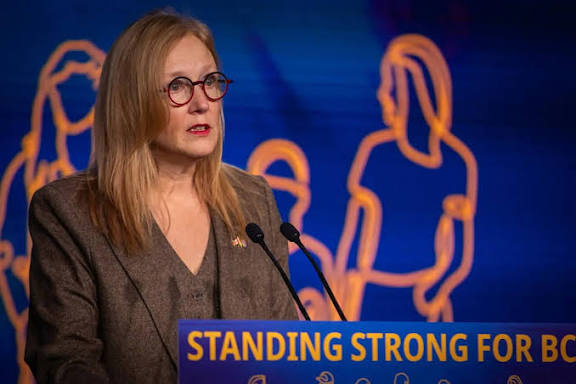
British Columbia’s 2026 provincial budget has become one of the most controversial in recent memory. Unveiled on February 17, 2026, the budget projects a record deficit exceeding $13 billion, increases taxes on individuals and property owners, and sets out plans to reduce the size of the public sector by 15,000 jobs over the next three years. These measures have sparked widespread debate among political leaders, businesses, unions, and taxpayers across the province.
This comprehensive analysis explores the key elements of the budget, the rationale behind tough economic choices, the expected impact on citizens and the provincial economy, and key opinions from stakeholders on what this fiscal plan means for British Columbia’s future.
1. Budget 2026 at a Glance: What’s in It?

British Columbia’s 2026 fiscal plan reveals several major developments that distinguish it from previous years:
Record-high Deficit
Budget documents project a fiscal deficit of $13.3 billion for the 2026–27 fiscal year — the largest in provincial history. This figure represents a sharp increase compared to previous forecasts and remains elevated throughout the fiscal plan.
According to government projections, deficits will gradually decline over the following years — but remain undeniably high:
2026–27: $13.3 billion
2027–28: $12.2 billion
2028–29: $11.4 billion
Tax Increases for Revenue
To help pay for services and reduce future deficits, Budget 2026 makes several tax changes:
The lowest personal income tax rate increases from 5.06 % to 5.60 %. The average taxpayer will pay about $76 more in 2026, though some low-income residents could see savings with a boosted tax reduction credit.
The Speculation and Vacancy Tax for foreign owners and untaxed global earners is increased.
Certain goods and services (e.g., basic cable, landlines) are newly subject to provincial sales tax as exemptions are removed.
The Additional School Tax increases for luxury residential properties.
Job Cuts and Efficiency Targets
One of the most contentious aspects of the budget is the plan to reduce public sector employment by 15,000 full-time equivalent positions over three years. Officials say this will be achieved mainly via attrition, early retirements, and targeted reductions in senior and executive roles.
Capital and Program Spending Adjustments
Budget 2026 also outlines a strategic “re-pacing” of capital spending, with several major infrastructure, housing, and health facility projects slowed or re-sequenced.
2. Why These Tough Decisions? The Government’s Justification
Finance Minister Brenda Bailey describes the budget as a response to “very serious times,” driven by global economic uncertainty, slowing growth, and rising costs.
The government argues the budget focuses on:
Protecting core services — health care, education, and social programs — while making difficult trade-offs elsewhere.
Raising revenue to prevent deeper cuts to services by updating tax structures.
Encouraging efficient government operations through hiring freezes, attrition targets, and program reviews.
While average personal income taxes will rise, officials maintain that middle- and lower-income residents retain comparatively low tax rates nationally, and certain credits help soften the impact.
3. Reaction from Business Leaders and Economists
Business organizations and economists were quick to respond — and not entirely positively.
Business Council of British Columbia
The BC Business Council criticized the budget for failing to stabilize the province’s fiscal trajectory. They pointed out that:
Provincial spending has historically outpaced revenue growth.
Tax hikes, estimated at around $4 billion, could dampen private-sector investment and job creation.
Continued debt growth threatens credit rating stability and raises future interest costs.
Canadian Federation of Independent Business
The CFIB expressed concern that tax increases could make British Columbia less competitive for entrepreneurs, risking slower small business formation and long-term economic growth.
Economists also note that the deficit’s size far exceeds levels seen during the COVID-19 response period, highlighting a deeper structural fiscal imbalance.
4. Unions, Public Sector and Service Advocates Raise Concerns
Despite government assurances that frontline services (e.g., health and education) would be prioritized, union leaders and public sector representatives criticized the budget:
Cuts to public sector jobs are seen as likely to impact services indirectly, especially where support staff and administrative roles are scaled back.
Worker groups argue that layoffs and reduced workforce morale will harm service delivery and community wellbeing.
Organizations like the BC Teachers’ Federation and labour unions similarly argue that the budget doesn’t adequately address long-term needs in education, health care, and worker support.
5. What It Means for Everyday British Columbians
Taxpayers
Higher income and property taxes will directly affect individuals and families, particularly those in higher tax brackets and owners of luxury real estate. Some residents may benefit from expanded tax credits, but many middle-income households could see a net increase in tax obligations.
Employees
Public sector workers face an uncertain employment landscape, with estimated job losses that could take several years to materialize fully.
Housing and Infrastructure
Slowdowns in housing and key infrastructure projects — including long-term care facilities and hospital expansions — may affect community development timelines and accessibility to services.
Economy and Business Climate
Business leaders warn that increased taxation on services and higher operating costs could dampen business investment and competitiveness in B.C.
6. Support and Opposition from Across the Political Spectrum
Government and Supporters
The governing party defends Budget 2026 as a balanced approach to difficult fiscal realities — emphasizing protection of core services and a long-term plan to gradually reduce deficits.
Opposition Voices
Opposition parties, including the BC Conservatives and Green Party critics, lament that the budget unfairly burdens seniors, middle-class families, and small businesses — arguing that it fails to deliver sufficient transparency or economic strategy.
Critics also argue that the deficit will continue to grow, with debt servicing absorbing an increasing share of government revenue — further limiting future policy choices.
7. Long-Term Fiscal Outlook and Debt Concerns
While deficits are projected to decline slowly, B.C.’s debt-to-GDP ratio is expected to rise, which could affect the province’s credit rating and long-term financial flexibility.
Interest payments on provincial debt are projected to grow substantially, taking a larger share of future public dollars and potentially crowding out investments in services and infrastructure.
Frequently Asked Questions (FAQs)
Q1. Why is B.C.’s deficit so high in 2026?
A1. The 2026 deficit reflects increased government spending, slower economic growth, reduced revenue from certain taxes, and one-time fiscal adjustments — with total deficit projected at $13.3 billion.
Q2. Who will pay more taxes?
A2. Residents in higher income brackets, luxury homeowners, and consumers of services newly subject to PST are expected to pay more under Budget 2026, though some low-income taxpayers may benefit from expanded tax credits.
Q3. What jobs are being cut?
A3. The government plans to reduce the public sector by 15,000 positions over three years, mainly through attrition and hiring limits, with priority to protect frontline services where possible.
Q4. Will services like health care and education be affected?
A4. Officials say core services will remain protected, but critics warn that workforce reductions and capital spending delays could indirectly impact access and quality.
Q5. What’s the long-term outlook for B.C.’s economy?
A5. Continued deficits, rising debt levels, and tax changes could challenge growth and competitiveness unless addressed in future fiscal plans.
Final Thoughts
Budget 2026 marks a pivotal moment in British Columbia’s fiscal history. With record deficits, tax hikes, and significant job cuts, the province has chosen a path of difficult trade-offs and disciplined financial management — but not without controversy. Whether these measures will successfully stabilize B.C.’s finances and support long-term prosperity remains a central question in public debate, one that will shape the province’s economic landscape for years to come.
How useful was this post?
Click on a star to rate it!
Average rating 0 / 5. Vote count: 0
No votes so far! Be the first to rate this post.
About the Author

usa5911.com
Administrator
Hi, I’m Gurdeep Singh, a professional content writer from India with over 3 years of experience in the field. I specialize in covering U.S. politics, delivering timely and engaging content tailored specifically for an American audience. Along with my dedicated team, we track and report on all the latest political trends, news, and in-depth analysis shaping the United States today. Our goal is to provide clear, factual, and compelling content that keeps readers informed and engaged with the ever-changing political landscape.