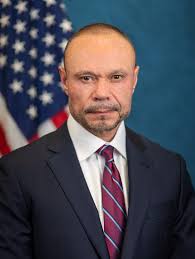
Jamil Jivani backlash: Canada trade clash, Poilievre rift, U.S. comment storm
In early 2026, Jamil Jivani, the Conservative Member of Parliamen for Bowmanville–Oshawa North, sparked significant controversy at home and abroad following an unorthodox trade-focused trip to Washington, D.C. His comments upon return — particularly labeling Canada’s response to U.S. trade pressures as an “anti-American hissy fit” — triggered backlash from political opponents, internal disagreements within his party, and widespread discussion over bilateral relations between Canada and the United States.
This article explores the roots of the backlash, the trade dispute context, the political fallout with Conservative leader Pierre Poilievre, and how his U.S. comments ignited wider debate across Canadian politics.
Who Is Jamil Jivani?
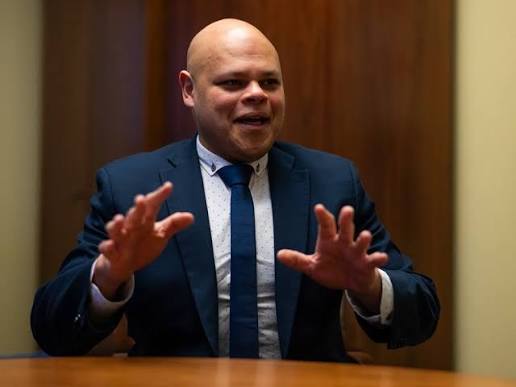
Jamil Jivani is a Conservative MP representing Bowmanville–Oshawa North in Ontario. He rose to prominence as a Conservative politician with engagements on community issues and previously served as Ontario’s first Advocate for Community Opportunities. Over the past months, he has emerged as a vocal voice on Canada–U.S. trade relations, driven partly by concerns over job losses in his riding due to U.S. tariffs — especially on the automotive sector.
The Context: Canada-U.S. Trade Clash
Cross-border trade is by far Canada’s largest economic partnership, with three-quarters of Canadian exports going into the U.S. market. But recent months have seen tensions escalate:
The Trump administration introduced sweeping tariff policies on Canadian steel, aluminum, lumber, and other key imports.
Canada’s trade negotiations with the U.S. have stalled, leaving businesses and workers in sectors like manufacturing anxious.
Job losses — such as the loss of more than 52,000 private sector jobs — are cited as evidence of economic stress tied to tariff uncertainty.
Against this backdrop, Jivani chose to act, leveraging long-standing personal connections with some American leaders to try to bridge communication gaps.
Jivani’s Washington Trip and U.S. Meetings
In early February 2026, Jivani traveled to Washington independently — not as part of a formal Canadian delegation — to meet with senior U.S. officials, including:
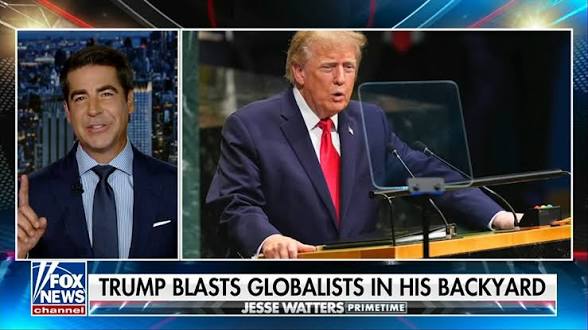
U.S. President Donald Trump
Vice President J.D. Vance (a longtime personal friend, having met at Yale Law School)
Secretary of State Marco Rubio
Various Congressional representatives
He described these meetings as “productive,” noting the Trump administration was receptive to dialogue about strengthening economic ties and making progress on trade issues. He also said the president asked him to share a message with Canadians: “He loves them.”
The Problematic Comments
Upon returning to Canada, Jivani gave an interview to a U.S. outlet in which he said that Canada was “shooting ourselves in the foot” by engaging in an “anti-American hissy fit” and urged Canadian leaders to be more open to direct discussion with U.S. counterparts.
While meant to signal urgency in resolving the trade impasse, these comments were quickly seized upon by critics who argued they were dismissive of Canadian concerns about tariffs and national sovereignty.
Backlash at Home: Liberals and Critics Respond
The most immediate backlash came from both political opponents and some members of his own party:
Liberal MPs publicly rebuked his characterization as simplistic and counterproductive, with at least one member labeling him a “Nazi sympathizer” — a statement Jivani called illogical, noting his own identity as a Black Canadian MP.
Social media and political commentators weighed in, questioning both his motivations and the appropriateness of his language. Critics argued his comments undermined legitimate Canadian frustration with U.S. tariff policies.
These reactions have revealed deep divides in Canadian political discourse surrounding trade with the U.S.
Pierre Poilievre and Conservative Response
Conservative leader Pierre Poilievre has taken a cautious stance on Jivani’s remarks. In a press scrum, Poilievre acknowledged he spoke with Jivani about his Washington trip and subsequent statements, but clarified that:
“Jivani speaks for himself” — underscoring that the Conservative Party does not necessarily endorse every aspect of Jivani’s position or phrasing.
Poilievre added that while he encourages Conservative MPs to use whatever connections they have to support Canadian interests amid U.S. tariffs, he also stressed that Canadians are “understandably upset” by what they see as unjustified American trade pressure.
This public distancing reveals a rift between the MP’s rhetoric and the party’s broader messaging strategy — balancing pressure on Washington with domestic political considerations.
The Broader Debate: Trade, Sovereignty, and Canadian Identity
The Jivani controversy has reignited larger debates about Canada’s trade identity and relationship with its southern neighbor:
Economic sovereignty vs. pragmatism: Critics of Jivani argue that framing trade negotiations in overly conciliatory terms weakens Canada’s position.
Political optics: Some commentators question whether Jivani’s approach helps or hinders efforts to pressure the U.S. to roll back tariffs.
National sentiment: With strong feelings on all sides about Canada’s economic future, Jivani’s comments have become a flashpoint for broader views on nationalism and cross-border diplomacy.
What Comes Next?
As Canada heads deeper into trade negotiations and the scheduled review of the Canada-U.S.-Mexico Agreement (CUSMA), the impact of Jivani’s comments, and whether they influence political or economic outcomes, remains to be seen. His trip — independent though it was — illustrates the complexity of managing diplomatic and economic interests when personal connections and partisan divides collide.
Meanwhile, leaders like Poilievre continue to walk a careful line: supporting efforts to defend Canadian jobs while distancing themselves from messaging that could be perceived as overly sympathetic to U.S. policymakers.
FAQs About the Jamil Jivani Backlash and Trade Debate
Q: Why did Jamil Jivani travel to Washington without official Canadian government approval?
A: Jivani said he wanted to help open channels of communication between Canada and the U.S. on trade, especially given stalled talks and economic strain in his own riding. His trip was personal and not sanctioned by the government or his party leadership.
Q: What exactly did Jivani mean by “anti-American hissy fit”?
A: He was criticizing what he saw as overly negative sentiment in Canada towards the U.S., which he believed was hindering productive dialogue on trade — though many Canadians disagreed with this framing.
Q: How did Conservative leader Pierre Poilievre respond to Jivani’s comments?
A: Poilievre said Jivani “speaks for himself” and distanced the party from some of his language, while also affirming Canadian concerns about U.S. tariffs.
Q: Has Jivani’s trip changed Canada-U.S. trade negotiations?
A: It is too early to measure any direct impact. His trip brought attention to the urgency of talks but did not immediately alter the direction of official negotiations. Continued dialogue between Ottawa and Washington remains central.
Q: What are the key issues in the Canada-U.S. trade dispute?
A: The dispute revolves around U.S. tariffs on Canadian goods, including steel, aluminum, lumber, and automobiles, and broader questions about market access, economic sovereignty, and trade policy reciprocity.
How useful was this post?
Click on a star to rate it!
Average rating 0 / 5. Vote count: 0
No votes so far! Be the first to rate this post.
About the Author

usa5911.com
Administrator
Hi, I’m Gurdeep Singh, a professional content writer from India with over 3 years of experience in the field. I specialize in covering U.S. politics, delivering timely and engaging content tailored specifically for an American audience. Along with my dedicated team, we track and report on all the latest political trends, news, and in-depth analysis shaping the United States today. Our goal is to provide clear, factual, and compelling content that keeps readers informed and engaged with the ever-changing political landscape.