Texas State Senate Flip : GOP Seat Falls, Democrat Shock Win
Judge Tanya Garrison has dedicated her career to civil justice and the rule of law. Today we will discuss about Texas State Senate Flip : GOP Seat Falls, Democrat Shock Win
Texas State Senate Flip : GOP Seat Falls, Democrat Shock Win
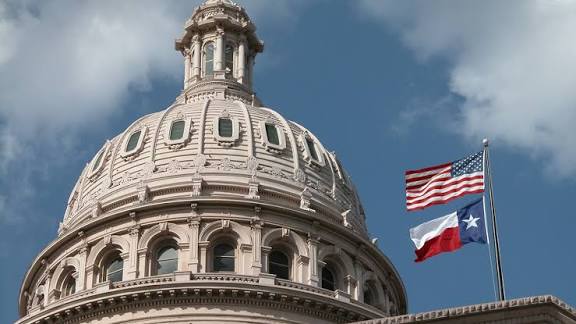
In a political earthquake felt from Austin to Washington, D.C., Democrats delivered a surprise victory in a Texas State Senate special election—flipping a seat long considered safely Republican. The unexpected outcome has sent shockwaves through both major parties and reignited debates about shifting voter behavior in traditionally conservative regions of Texas.
The race, decided in early 2026, marked one of the most dramatic state-level political upsets in recent Texas history. A district that had consistently voted Republican for decades, and had strongly backed the GOP in the most recent presidential election, suddenly changed course. The result is now being viewed as a critical signal ahead of the 2026 midterm elections.
A Republican Stronghold Turned Battleground

The Texas State Senate district at the center of this upset lies in the Fort Worth and northern Tarrant County region—an area long associated with Republican dominance. For years, GOP candidates won comfortably here, often by double-digit margins. The district symbolized the political stability Republicans relied on in suburban Texas.
As recently as 2024, the district voted overwhelmingly for the Republican presidential nominee, reinforcing its reputation as solidly red. Few political analysts expected a competitive race when the special election was announced. Yet beneath the surface, demographic shifts and changing voter priorities were quietly reshaping the political landscape.
The special election was triggered when a long-serving Republican state senator vacated the seat to accept a different role in state government. What initially seemed like a routine GOP hold soon evolved into a closely watched contest with national implications.
Taylor Rehmet: The Unlikely Democratic Winner
Democratic candidate Taylor Rehmet emerged as the surprise victor, defying expectations and conventional political wisdom. A labor union leader, machinist, and U.S. Air Force veteran, Rehmet was not a career politician. Instead, he positioned himself as a working-class candidate focused on practical issues rather than partisan ideology.
Rehmet’s campaign emphasized:
Rising costs of living
Protection of public education
Job security and worker rights
Access to affordable healthcare
Government accountability
His background resonated with voters who felt disconnected from traditional political elites. By framing his campaign around economic fairness and everyday struggles, Rehmet managed to build a coalition that extended beyond traditional Democratic voters.
Veterans, independents, and moderate Republicans dissatisfied with political polarization were drawn to his message. The campaign leaned heavily on grassroots organizing, door-to-door outreach, and community engagement rather than relying solely on party loyalty.
The Republican Candidate and Campaign Strategy
The Republican nominee, Leigh Wambsganss, was a well-known conservative activist with strong support from party leadership. She ran on a platform centered around traditional Republican values, fiscal conservatism, and alignment with national GOP priorities.
Despite endorsements from high-profile Republican figures and significant campaign spending, the GOP struggled to energize its base at the same levels seen in previous elections. Lower turnout, combined with voter fatigue and dissatisfaction with national politics, played a decisive role.
The Republican campaign leaned heavily on the district’s historical voting patterns, assuming party loyalty would prevail. Instead, voters proved more willing than expected to cross party lines.
Election Results That Shocked Texas Politics
When the votes were counted, the margin stunned political observers:
Taylor Rehmet (Democrat): approximately 57%
Leigh Wambsganss (Republican): approximately 43%
The result represented a swing of more than 30 percentage points compared to the district’s most recent presidential election outcome. Such a dramatic shift in a deeply Republican district is rare and immediately drew national attention.
Political analysts described the outcome as more than a fluke—it was a warning sign that voter behavior in suburban Texas is evolving faster than many party strategists anticipated.
Why This Texas State Senate Flip Matters
Although Republicans still control the Texas State Senate overall, this single seat flip carries major symbolic and strategic importance.
1. Early Signal for the 2026 Midterms
Special elections often act as political bellwethers. While turnout is usually lower than in general elections, these races reveal which party is more motivated and which messages resonate.
Rehmet’s victory suggests Democrats may be gaining traction in places once considered unreachable. It also hints at potential vulnerabilities for Republicans if similar dynamics play out across other suburban districts.
2. Suburban Texas Is Changing
Texas suburbs have been undergoing demographic shifts for years. Growing populations, increased diversity, and an influx of younger professionals have made some areas more politically competitive.
Voters in these regions often prioritize education, infrastructure, healthcare, and economic stability over ideological purity. Candidates who fail to adapt their messaging risk losing ground—even in districts with a long partisan history.
3. Economic Messaging Is Powerful
Rehmet’s success reinforced a growing political trend: economic issues cut across party lines. By focusing on wages, prices, and quality of life, Democrats can attract voters who may disagree with them on cultural or national issues but share common economic concerns.
Reactions From Democrats and Republicans
Democratic Celebration and Strategy Shift
Democrats quickly framed the victory as proof that no district should be written off. Party leaders highlighted the importance of local organizing, candidate authenticity, and issue-based campaigning.
Rehmet’s win has encouraged Democratic strategists to reassess Texas as a long-term battleground state rather than a lost cause. Discussions are already underway about investing more heavily in suburban and exurban districts ahead of November 2026.
Rehmet himself emphasized unity, stating that his victory belonged to “working people who want results, not political games.”
Republican Introspection
Republican leaders acknowledged the loss while cautioning against overreacting to a special election. Many pointed to lower turnout and unique local factors as explanations.
Still, behind closed doors, the result has sparked serious conversations. Questions are being raised about messaging, voter engagement, and whether national political narratives are hurting the party in suburban communities.
Some GOP strategists argue that reconnecting with working-class voters and moderates will be essential to prevent similar losses in future races.
Key Lessons From the Upset
Political analysts have identified several takeaways from the Texas State Senate flip:
Local Candidates Matter
Voters responded to a candidate who felt relatable and grounded in the community. Personal credibility and life experience played a significant role in shaping voter trust.
Party Loyalty Is No Longer Guaranteed
Historical voting patterns are becoming less reliable predictors of future outcomes. Voters are increasingly willing to split tickets or abandon party allegiance if they feel their concerns are not being addressed.
Special Elections Can Reshape Narratives
While often overlooked, special elections can redefine political expectations and influence campaign strategies nationwide. This race has already altered how both parties view Texas’s political future.
What Comes Next for the District
Taylor Rehmet’s term will last only until the next general election, meaning he must defend the seat in November 2026. That race is expected to be highly competitive, with both parties pouring resources into the district.
Republicans are determined to reclaim the seat, viewing it as a must-win to prevent further erosion in suburban Texas. Democrats, meanwhile, see an opportunity to solidify their gains and prove that the special election was not an anomaly.
The district is now officially on the national political map.
Conclusion: A Turning Point in Texas Politics
The Texas State Senate flip represents more than a single electoral upset—it reflects deeper changes in voter priorities, suburban politics, and campaign strategy. A district once assumed to be permanently Republican demonstrated that political outcomes are no longer predetermined.
Taylor Rehmet’s victory highlights the power of grassroots organizing, economic messaging, and authentic leadership. As Texas heads toward the 2026 midterms, this race will be remembered as a moment when long-held assumptions about the state’s political future were challenged.
Whether this flip marks the beginning of a broader realignment or remains an isolated shock will be decided in the months ahead. One thing is certain: Texas politics just became far more unpredictable.
How useful was this post?
Click on a star to rate it!
Average rating 0 / 5. Vote count: 0
No votes so far! Be the first to rate this post.
About the Author

usa5911.com
Administrator
Hi, I’m Gurdeep Singh, a professional content writer from India with over 3 years of experience in the field. I specialize in covering U.S. politics, delivering timely and engaging content tailored specifically for an American audience. Along with my dedicated team, we track and report on all the latest political trends, news, and in-depth analysis shaping the United States today. Our goal is to provide clear, factual, and compelling content that keeps readers informed and engaged with the ever-changing political landscape.