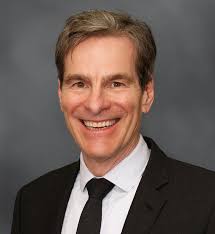
David Brooks : NYT columnist, Trump criticism, US politics influence
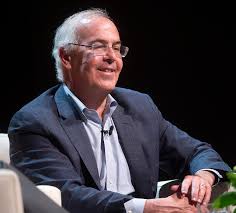
David Brooks is an opinion columnist for The Times, writing about political, social and cultural trends. Today we will discuss about David Brooks : NYT columnist, Trump criticism, US politics influence
David Brooks : NYT columnist, Trump criticism, US politics influence
David Brooks is one of the most influential political commentators in the United States today. Best known for his long-running role as a columnist at The New York Times, Brooks has carved out a unique space in American political discourse. Neither a rigid partisan nor a traditional ideologue, he is widely recognized for blending conservative thought with cultural, moral, and sociological analysis. His criticism of Donald Trump, reflections on elite culture, and insights into polarization have made him a central voice in debates shaping modern U.S. politics.
This article explores who David Brooks is, how his worldview developed, why his criticism of Trump matters, and how his ideas continue to influence American political thinking.
Who Is David Brooks?

David Brooks was born in 1961 in Toronto, Canada, and raised in the United States. He studied history at the University of Chicago, an institution known for shaping critical thinkers across political traditions. After college, Brooks entered journalism at a time when political commentary was becoming more central to American media.
He worked as a reporter and editor at several influential publications before gaining national prominence. His writing career included roles at conservative and centrist outlets, helping him develop a reputation as a thinker who understood the ideological right but was not constrained by it. In 2003, he joined The New York Times as an opinion columnist, a move that significantly expanded his audience and influence.
Beyond journalism, Brooks is also the author of several bestselling books that examine American culture, morality, and social behavior. His works often explore how personal values, social structures, and political systems interact, rather than focusing solely on elections or policy battles.
Brooks’s Intellectual Identity
David Brooks is frequently described as a moderate conservative or centrist. However, such labels only partially capture his outlook. He often draws inspiration from classical conservatism, emphasizing institutions, tradition, and social stability. At the same time, he is open to progressive ideas, particularly on issues of social justice, inequality, and civic responsibility.
What distinguishes Brooks from many political commentators is his focus on character, culture, and community. He is less interested in daily political skirmishes and more concerned with the deeper forces shaping American life — declining trust, weakening institutions, and growing social fragmentation.
This approach has earned him readers across ideological lines, while also attracting criticism from both conservatives and liberals who find his views insufficiently aligned with their positions.
David Brooks and His Criticism of Donald Trump
Understanding Trump’s Appeal
David Brooks has been a consistent critic of Donald Trump, but his criticism goes beyond personal attacks or partisan opposition. Instead, Brooks views Trump as a symptom of broader social and cultural breakdowns in American society.
He argues that Trump’s rise was fueled by a widespread sense of alienation, resentment, and distrust — especially among Americans who felt ignored by political and cultural elites. Rather than dismissing Trump supporters as irrational, Brooks has urged commentators to understand the emotional and social roots of populism.
According to Brooks, Trump’s success lies in his ability to frame politics as a zero-sum conflict, where one group’s success requires another group’s defeat. This worldview, Brooks suggests, thrives in environments marked by fear, loss of community, and declining social trust.
Trumpism and Moral Leadership
One of Brooks’s strongest critiques of Trump centers on moral leadership. Brooks has argued that leadership is not merely about policy outcomes but about shaping national character. From his perspective, Trump’s rhetoric and behavior undermine civic norms such as honesty, humility, and respect for institutions.
Brooks has repeatedly warned that when political leaders reward cruelty, division, or deception, those behaviors spread throughout society. In this sense, his criticism of Trump is less about ideology and more about the cultural consequences of leadership.
Criticism of Anti-Trump Strategies
Interestingly, Brooks has also criticized Trump’s opponents. He has argued that constant outrage, moral shaming, and institutional battles often strengthen Trump’s narrative of persecution. In his view, opposition strategies that rely heavily on condemnation rather than persuasion risk deepening polarization.
Brooks has urged political leaders and cultural elites to reconnect with ordinary Americans by addressing economic insecurity, restoring dignity to work, and rebuilding trust in institutions — rather than focusing exclusively on defeating Trump as an individual.
Brooks on Polarization and Elite Culture
The Educated Elite Problem
One of Brooks’s most notable contributions to political debate is his willingness to criticize the social class to which he belongs. He has acknowledged that educated, urban elites — including journalists, academics, and policymakers — often live in cultural bubbles that limit their understanding of the broader population.
Brooks has argued that elite institutions tend to reward conformity, status-seeking, and moral signaling, which can alienate people who feel excluded from those systems. This disconnect, he suggests, has played a major role in fueling populist anger and distrust.
Rather than defending elite culture uncritically, Brooks calls for greater humility and self-examination among those who shape public discourse.
The Decline of Social Trust
Beyond class and politics, Brooks frequently highlights the erosion of social trust in American life. He points to declining participation in community organizations, weakened family structures, and rising loneliness as forces that make societies more vulnerable to extremism.
In Brooks’s analysis, political polarization is not just a political problem — it is a social one. When people lack strong personal relationships and community ties, they are more likely to adopt rigid ideologies and see opponents as enemies.
Brooks’s Broader Influence on U.S. Politics
Shaping Elite and Public Discourse
As a columnist for one of the most influential newspapers in the world, Brooks helps shape how political issues are framed. His columns are widely read by policymakers, academics, journalists, and politically engaged citizens.
Even critics of Brooks acknowledge that his arguments often set the terms of debate, especially on questions of culture, morality, and national identity.
A Bridge Between Ideological Worlds
Brooks’s writing occupies a rare middle ground. While many commentators speak primarily to their ideological base, Brooks attempts to engage readers across political divides. He critiques conservative populism while also challenging liberal moral certainty.
This bridge-building role has become increasingly rare in an era of partisan media ecosystems, making Brooks’s voice both distinctive and controversial.
Cultural and Moral Emphasis
Unlike commentators who focus narrowly on elections or policy details, Brooks emphasizes long-term cultural health. He often writes about virtues such as empathy, responsibility, humility, and service, arguing that healthy democracies depend on moral as well as political foundations.
This emphasis has influenced broader discussions about leadership, citizenship, and national renewal.
Controversies and Criticism
Despite his influence, Brooks is not without critics. Some conservatives accuse him of abandoning traditional values or catering to liberal audiences. Some progressives argue that his focus on culture minimizes structural inequalities and policy failures.
Brooks has also faced criticism for appearing overly sympathetic to elites while simultaneously critiquing them. However, supporters argue that this tension reflects his commitment to complexity rather than ideological purity.
Why David Brooks Still Matters
In a media environment driven by outrage and tribal loyalty, David Brooks offers a different model of political engagement. His work encourages reflection rather than reaction, understanding rather than dismissal.
Whether discussing Trump, polarization, or the failures of elite institutions, Brooks consistently pushes readers to look beyond surface-level politics and confront deeper social realities.
Conclusion
David Brooks remains one of the most consequential voices in American political commentary. As a longtime New York Times columnist, author, and public intellectual, he has shaped how millions of readers understand politics, culture, and moral leadership.
His criticism of Donald Trump is rooted not in partisan hostility but in concerns about civic norms, social cohesion, and national character. At the same time, his willingness to critique elite culture and political orthodoxy sets him apart from many commentators on both sides.
In an era defined by polarization and distrust, Brooks’s emphasis on humility, community, and moral responsibility continues to influence debates about the future of U.S. politics.
How useful was this post?
Click on a star to rate it!
Average rating 0 / 5. Vote count: 0
No votes so far! Be the first to rate this post.
About the Author

usa5911.com
Administrator
Hi, I’m Gurdeep Singh, a professional content writer from India with over 3 years of experience in the field. I specialize in covering U.S. politics, delivering timely and engaging content tailored specifically for an American audience. Along with my dedicated team, we track and report on all the latest political trends, news, and in-depth analysis shaping the United States today. Our goal is to provide clear, factual, and compelling content that keeps readers informed and engaged with the ever-changing political landscape.