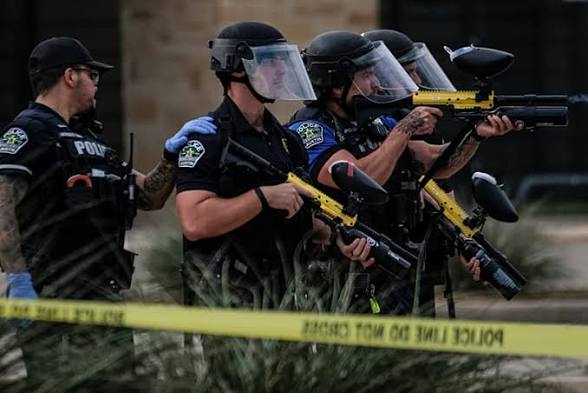
Nasra Ahmed : Minneapolis protest arrest, ICE clash sparks viral outrage
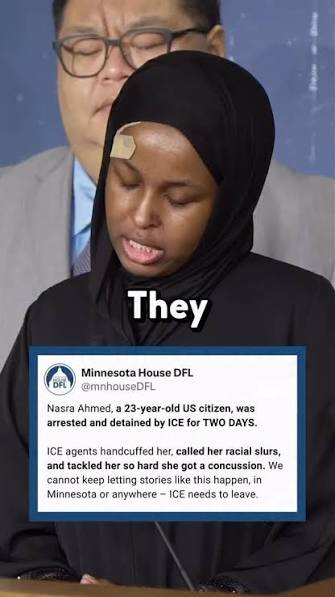
That is all. After being beaten by ICE, despite the crowd yelling that she was pregnant and to stop, police arrived and she was released. Today we will discuss about Nasra Ahmed : Minneapolis protest arrest, ICE clash sparks viral outrage
Nasra Ahmed : Minneapolis protest arrest, ICE clash sparks viral outrage
On January 28, 2026, Nasra Ahmed became a central figure in one of the most widely discussed controversies in Minneapolis — a controversy involving federal immigration enforcement, mass protest activity, and a viral social media moment that captivated global audiences. Her arrest at a major protest against U.S. Immigration and Customs Enforcement (ICE) agents, coupled with her prior viral “bananas and rice” remark about Somali-American identity, has generated intense public scrutiny, political debate, and conflicting narratives about civil rights, law enforcement conduct, and immigrant community treatment in the United States.
This article dives deep into the story of Nasra Ahmed — who she is, what happened during her arrest and subsequent detention, the aftermath of that event, and why her case has ignited outrage both online and offline.
Who Is Nasra Ahmed? The Viral Identity Moment
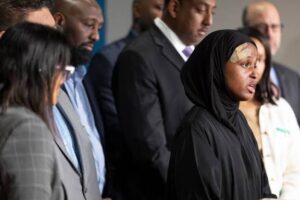
Nasra Ahmed is a 23-year-old Somali-American woman from Minnesota who came into the public spotlight not initially through activism, but with a moment that went viral on social media in late January 2026.
During a January 21 press conference at the Minnesota State Capitol, Ahmed attempted to articulate her cultural identity as someone of Somali heritage and American upbringing. Her attempt to use a metaphor to describe that blended identity — saying it was like “bananas and rice” — quickly became a meme across platforms such as TikTok, Instagram, and X (formerly Twitter). The phrase was shared widely, not only for its unusual imagery but because it encapsulated the complexities of hybrid cultural identity for young immigrants and second-generation Americans.
While her comment garnered both amusement and support, it suddenly became shorthand for public discussions about immigrant identity, cultural misunderstanding, and representation in modern America — all just days before her arrest propelled her further into the national spotlight.
The Minneapolis Protest and Arrest
In late January 2026, nationwide tensions had risen dramatically over federal immigration enforcement actions in Minnesota. These actions followed several high-profile violent encounters between federal agents — including Border Patrol and ICE — and local residents and protesters. Clashes peaked after the fatal shooting of a nurse, Alex Pretti, allegedly by Border Patrol agents during an arrest attempt, which itself followed the death of Renee Nicole Good in a separate encounter involving ICE officers.
In response, protests erupted across Minneapolis and the Twin Cities metro area. These demonstrations, organized by immigrant advocacy groups and civil rights activists, called for an end to aggressive federal enforcement operations, accountability for alleged excessive force, and respect for civil liberties. Many participants invoked human rights rhetoric, citing constitutional protections they felt were being violated.
Ahmed’s Arrest
On January 28, 2026, federal authorities under the direction of the U.S. Department of Justice announced the arrest of 16 individuals linked to clashes with federal agents in Minneapolis. They were charged under federal law, including allegations of assaulting, resisting, or obstructing federal officers during an enforcement sweep. Among the names released was Nasra Ahmed.
Officials accused the group of engaging in aggressive resistance against law enforcement during protests against ICE operations, framing the arrests as a necessary enforcement of public safety and legal order. The DOJ emphasized its commitment to holding accountable anyone who assaults or impedes federal officers performing their duties.
The inclusion of Ahmed’s name immediately amplified public interest — not only because she had become recognizable through her earlier press conference but also because many Americans were unfamiliar with the context and details surrounding her presence at the protest.
Ahmed’s Own Account of Her Arrest and Detention
Prior to the announcement of her federal arrest, Ahmed had already drawn attention for a separate incident involving ICE agents on January 14 near her St. Paul residence.
According to Ahmed’s account, federal officers suddenly surrounded her as she walked outside. She alleges that agents aggressively demanded her identification, forced her to the ground, handcuffed her, and placed her in a federal vehicle — all while using racial slurs and physical force that resulted in bruises and a concussion. Ahmed described the experience as a form of “kidnapping,” saying she was treated as if she were a criminal despite having no prior arrests or criminal history.
She detailed this encounter at the January 21 press conference, pantomiming her pain and fear:
“I got kidnapped by ICE. They pushed me hard, they used a lot of violence… I’ve never been arrested in my life. They called me racial slurs. Everything hurts.”
Ahmed said she was detained by ICE for two days before being released without charges after her family produced her passport and birth certificate to prove her U.S. citizenship. Her father, Mohamed Ahmed, criticized the operation, saying it felt discriminatory and targeted Somali Americans rather than being a legitimate immigration enforcement action.
State Representative Samakab Hussein — a Democrat representing parts of St. Paul — stood with Ahmed at the press conference and publicly accused ICE agents of racial profiling, saying similar concerns had been reported by other members of the Somali community in the Twin Cities.
Viral Reaction and Online Outrage
News of Ahmed’s arrest — and footage of her earlier press comments — spread quickly across social media. The juxtaposition of her “bananas and rice” metaphor alongside dramatic images from protests and detention photos led to an explosion in online discussion.
Many users expressed sympathy for Ahmed, using the viral phrase as a symbol of immigrant identity and resilience. Supporters compared her experience to broader fears about civil liberties being eroded under aggressive federal enforcement tactics. Critics, including some conservative commentators, portrayed her as part of what they called “anti-law enforcement” rioters who endangered federal agents during protests.
Debate has also surged around whether Ahmed’s treatment by ICE was justified or a violation of constitutional rights. Advocates for immigrant rights highlight that she was a U.S. citizen with no prior criminal record and that detaining her without clear cause raised serious legal and ethical questions. Meanwhile, federal officials have defended their actions, stressing that resisting or assaulting law enforcement officers is a felony — even for U.S. citizens — and that enforcement must proceed without exception.
The case has tapped into larger conversations about immigration policy, policing practices, and racial justice in America, especially as they relate to communities of color and immigrant populations.
Legal and Civil Rights Dimensions
Federal Charges and Legal Ambiguity
The arrests announced by the DOJ — including Ahmed’s — were made under statutes that criminalize assaulting, resisting, or impeding federal officers. These charges carry significant penalties, including possible imprisonment and fines, reflecting the federal government’s emphasis on protecting law enforcement.
However, in Ahmed’s specific case, conflicting accounts about her behavior at the protest have muddied the legal clarity. Some reports suggest that there is no public evidence that she engaged in violent acts against officers. Others speculate — without confirmation — that there might be video of her allegedly spitting on an ICE agent. These claims remain unverified and must be treated cautiously.
Civil Rights Concerns
Civil liberties advocates argue Ahmed’s detainment and the manner of her arrest by ICE raise fundamental constitutional issues. They point to the Fourth Amendment — which protects against unreasonable searches and seizures — as potentially violated if she was detained without justified cause or probable cause. Civil rights groups also highlight that racial profiling and targeting of immigrant communities can erode public trust and violate equal protection under the law.
Community Responses and Broader Impact
Ahmed’s case has struck a chord particularly within Minnesota’s Somali and broader immigrant communities. Leaders and activists in these communities have called for immediate investigations into ICE conduct, legal accountability for federal agents, and stronger protections for civil rights in immigration enforcement.
Meanwhile, supporters nationwide have mobilized online hashtags, fundraising efforts for legal defense, and virtual town halls to discuss the implications of her arrest. These movements reflect broader dissatisfaction with federal immigration policies and enforcement tactics that many feel are heavy-handed or discriminatory.
Political figures have weighed in as well. Progressive lawmakers have condemned federal enforcement actions and called for de-escalation. In contrast, some conservative leaders have doubled down on calls for strict enforcement of immigration laws and protection for federal agents faced with protests.
Conclusion: A Flashpoint in American Discourse
The story of Nasra Ahmed is much more than a viral meme or a single arrest. It encapsulates a moment of profound tension in American civic life — where questions of race, immigration, law enforcement, and identity converge.
Ahmed’s experience — from her attempt to express cultural identity to her dramatic encounter with ICE agents and subsequent arrest during protests — has ignited a national conversation about civil rights and federal authority. Whether viewed as a symbol of resistance or as a controversial protester accused of impeding law enforcement, her case will likely remain a reference point in ongoing debates about immigration policy and constitutional protections in the United States.
As events continue to unfold in Minneapolis and beyond, understanding the legal, cultural, and societal dimensions of Ahmed’s story is essential for anyone seeking to grasp the current contours of American political discourse.
How useful was this post?
Click on a star to rate it!
Average rating 0 / 5. Vote count: 0
No votes so far! Be the first to rate this post.
About the Author

usa5911.com
Administrator
Hi, I’m Gurdeep Singh, a professional content writer from India with over 3 years of experience in the field. I specialize in covering U.S. politics, delivering timely and engaging content tailored specifically for an American audience. Along with my dedicated team, we track and report on all the latest political trends, news, and in-depth analysis shaping the United States today. Our goal is to provide clear, factual, and compelling content that keeps readers informed and engaged with the ever-changing political landscape.