Alex Pretti : viral ICE SUV kick, Minneapolis chaos, pre-shooting outrage
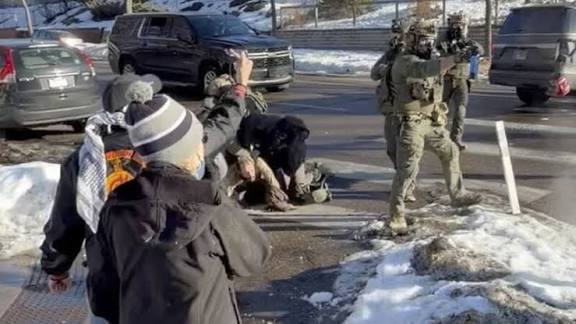
New footage shows Alex Pretty kicking and spitting on federal agent’s car. Today we will discuss about Alex Pretti : viral ICE SUV kick, Minneapolis chaos, pre-shooting outrage
Alex Pretti : viral ICE SUV kick, Minneapolis chaos, pre-shooting outrage
The name Alex Pretti has rapidly become a national symbol of controversy, protest, and political division in the United States. What began as a short viral video showing a confrontation between a civilian and federal agents in Minneapolis soon evolved into a tragic and explosive story involving a fatal shooting, mass outrage, and intense debate over the use of force, civil rights, and immigration enforcement.
The case has ignited emotions across the country, with supporters calling Pretti a victim of state violence and critics portraying him as a provocative activist who escalated a dangerous situation. At the center of the storm lies a sequence of events that unfolded in the weeks leading up to his death, beginning with a viral clip that would later shape public perception and political narratives.
Who Was Alex Pretti?
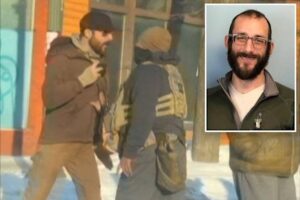
Alex Pretti was a 37-year-old intensive care nurse working in Minneapolis. Colleagues described him as dedicated, calm under pressure, and deeply committed to patient care. Outside the hospital, he was known to be socially conscious and outspoken about civil liberties, particularly concerning law enforcement conduct and immigration enforcement operations in urban communities.
He was not a career activist or political figure, but like many professionals in major U.S. cities, he had become increasingly vocal as federal immigration raids expanded in scope and visibility. Friends say he believed strongly in documenting authority and standing up for people he felt were being treated unfairly.
The Viral ICE SUV Kick Video
The first major public appearance of Alex Pretti came through a video recorded nearly two weeks before his death. The clip, filmed by bystanders in Minneapolis, shows a tense confrontation between federal immigration agents operating in unmarked vehicles and a crowd of civilians.
In the video, Pretti can be seen shouting at an SUV believed to be used by immigration officers. As the vehicle attempts to leave the scene with emergency lights flashing, Pretti steps forward, spits in the direction of the car, and kicks the rear taillight twice, cracking the plastic covering. The driver abruptly stops, and agents exit the vehicle. A physical scuffle follows, with one officer pushing Pretti to the ground and restraining him.
The footage spread rapidly on social media, accumulating millions of views within hours. Some viewers saw it as an act of defiance against what they considered aggressive federal operations. Others interpreted it as reckless behavior that endangered officers and bystanders.
Although no charges were filed against Pretti for the incident, the video would later be replayed endlessly in news coverage and political commentary after his death.
Rising Tensions in Minneapolis
At the time, Minneapolis was already on edge. Federal immigration operations had intensified, with unmarked vehicles and masked officers conducting arrests in residential neighborhoods. Community groups accused the government of operating with excessive secrecy and intimidation, while authorities argued they were enforcing the law amid rising security concerns.
Protests had become frequent. Demonstrators followed agents, filmed arrests, and attempted to intervene verbally. The atmosphere was volatile, with shouting, crowd surges, and frequent confrontations.
Pretti was among those who believed that public visibility was a form of protection — that filming and questioning agents could deter abuse. This belief would place him directly in the path of a deadly encounter.
The Day of the Shooting
On a January morning, federal agents were conducting another operation in the Whittier neighborhood of Minneapolis. Bystanders began recording as officers detained individuals and used pepper spray to disperse a gathering crowd.
Alex Pretti arrived on the scene and began filming. Witnesses say he was shouting at agents and attempting to assist a person who had been pushed to the ground. Video evidence shows him being shoved, sprayed, and then tackled by multiple officers.
During the struggle, an officer shouted that Pretti had a gun. Moments later, shots were fired. Pretti was struck multiple times and pronounced dead at the scene.
Authorities later confirmed that he was legally carrying a firearm, though they stated he never fired it. Whether he reached for the weapon remains a central point of investigation and dispute.
Public Outrage and Protests
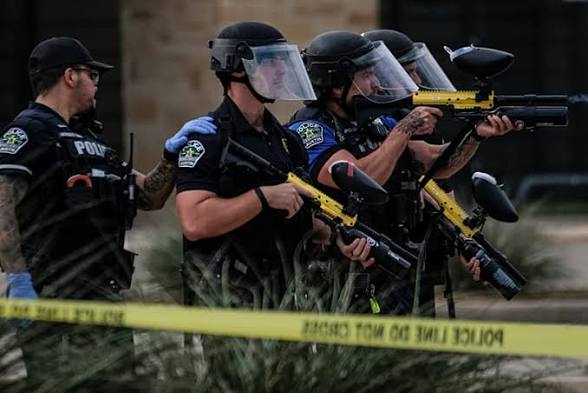
News of the killing spread rapidly, triggering immediate protests across Minneapolis and other U.S. cities. Demonstrators blocked roads, gathered outside federal buildings, and held vigils demanding accountability.
For many, the image of a nurse being shot during a protest against immigration enforcement became emblematic of what they viewed as militarized policing and unchecked federal power. Signs reading “Who Protects the Public From the Police?” and “Justice for Alex Pretti” filled the streets.
Civil rights organizations called for an independent investigation, the release of all body-camera footage, and the suspension of the agents involved. Political leaders from progressive circles condemned the shooting, while conservative figures emphasized the earlier SUV-kicking video to argue that Pretti had a history of aggressive behavior.
The Battle of Narratives
The case quickly became a battlefield of competing interpretations.
Supporters of Pretti described him as a Good Samaritan and citizen journalist who was trying to help others and document potential abuses. They argued that possession of a legally owned firearm does not justify lethal force, especially when the individual is already subdued.
Critics countered that the viral video showed a pattern of hostility toward federal officers and that the presence of a weapon during a physical struggle created an imminent threat.
Media coverage reflected this divide. Some outlets framed the story around civil rights and police accountability, while others focused on law enforcement safety and the dangers of crowd interference during operations.
The Role of Viral Media
The Pretti case highlights how short video clips can shape public opinion long before investigations conclude. The SUV-kick footage became a symbol used to define his character, even though it captured only seconds of a complex situation.
In the digital age, viral content often becomes evidence in the court of public opinion, influencing political discourse and potentially even legal proceedings. Supporters argue that body-camera footage from the shooting should be released in full to provide similar transparency.
Federal Investigations and Legal Questions
Following the incident, the agents involved were placed on administrative leave. Multiple investigations were launched, including internal federal reviews and independent civil rights inquiries.
Key questions include:
Did officers follow proper use-of-force protocols?
Was Pretti reaching for his firearm, or was it merely visible during the struggle?
Could de-escalation tactics have prevented the shooting?
How should federal agents operate in densely populated urban areas during immigration enforcement?
The outcome of these investigations could have far-reaching implications for federal law enforcement policy and protest management nationwide.
A Symbol Beyond One Man
Alex Pretti’s death has become more than an individual tragedy. It now represents a convergence of national debates over immigration, policing, gun rights, protest, and the power of the state.
For some, he is a martyr of resistance against what they view as authoritarian enforcement. For others, he is a cautionary example of how confrontations with armed authorities can turn fatal in seconds.
Conclusion
The story of Alex Pretti — from a viral video of kicking an ICE SUV to a deadly shooting in Minneapolis — encapsulates the volatile intersection of activism, law enforcement, and modern media.
It raises profound questions about how far citizens can go in confronting authority, how federal agents should respond under pressure, and how society interprets truth in an age where a few seconds of footage can define an entire life.
As investigations continue and protests persist, one thing is certain: the name Alex Pretti will remain a powerful and polarizing symbol in America’s ongoing struggle over civil liberties, public safety, and the limits of state power.
How useful was this post?
Click on a star to rate it!
Average rating 0 / 5. Vote count: 0
No votes so far! Be the first to rate this post.
About the Author

usa5911.com
Administrator
Hi, I’m Gurdeep Singh, a professional content writer from India with over 3 years of experience in the field. I specialize in covering U.S. politics, delivering timely and engaging content tailored specifically for an American audience. Along with my dedicated team, we track and report on all the latest political trends, news, and in-depth analysis shaping the United States today. Our goal is to provide clear, factual, and compelling content that keeps readers informed and engaged with the ever-changing political landscape.