Stephen Miller: ICE Crisis Rhetoric, Minnesota Fallout, Trump Hardline Escalates
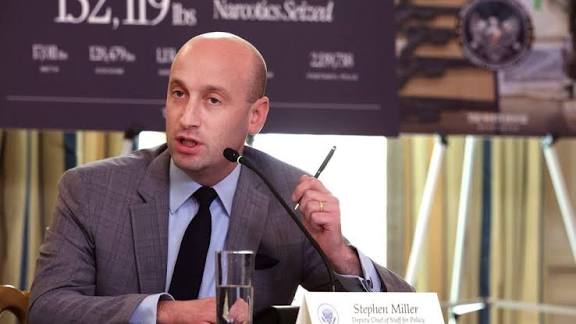
As of January 2026, Stephen Miller has emerged as the central architect of the second Trump administration’s aggressive immigration agenda, serving as deputy chief of staff for policy. Today we will discuss about Stephen Miller: ICE Crisis Rhetoric, Minnesota Fallout, Trump Hardline Escalates
Stephen Miller: ICE Crisis Rhetoric, Minnesota Fallout, Trump Hardline Escalates
Stephen Miller has been a central architect of hardline immigration policy in the United States, shaping enforcement strategies and public messaging that frame immigration not merely as a legal issue but as a national security and cultural one. Associated closely with Donald Trump’s policy agenda, Miller’s rhetoric emphasizes strict enforcement and sovereign authority, which has intensified political tensions nationwide. Today, those tensions are most visible in Minnesota, where deployment of ICE and Border Patrol agents and fatal shootings during enforcement operations have sparked widespread backlash and raised profound questions about rhetoric, policy, and accountability.
Understanding Miller’s role — both as a policy driver and as a political communicator — is essential to grasping why this moment has become such a flashpoint.
A Hardline Architect: Stephen Miller’s Approach to Immigration Messaging

Stephen Miller’s influence in shaping immigration policy predates the current Minnesota crisis. He first gained national prominence as the Trump campaign’s senior policy adviser, earning a reputation for hardline positions on immigration and border enforcement. Over time, his influence extended into the executive branch, where he helped drive policy decisions on deportations, border security, and asylum restrictions. Critics have described his positions as extreme and rhetorically maximalist, arguing that they often frame immigration in existential terms for the nation.
A key aspect of Miller’s messaging strategy is to define enforcement not as discretionary or technocratic but as imperative and zero‑compromise. This includes asserting broad authority for federal agencies like ICE and Border Patrol and dismissing alternative approaches as weak or dangerous. For instance, Miller has publicly reassured agents that they enjoy “federal immunity” in carrying out their duties — a statement that, in the wake of fatal enforcement incidents, has drawn intense scrutiny for implying operational latitude without accountability.
This blending of legal framing with charged rhetoric has reinforced Miller’s position as a voice not only of policy but political strategy — one that places enforcement at the core of a broader cultural and ideological narrative.
Minnesota’s Flashpoint: ICE Deployment and Backlash
Operation Metro Surge and Federal Presence
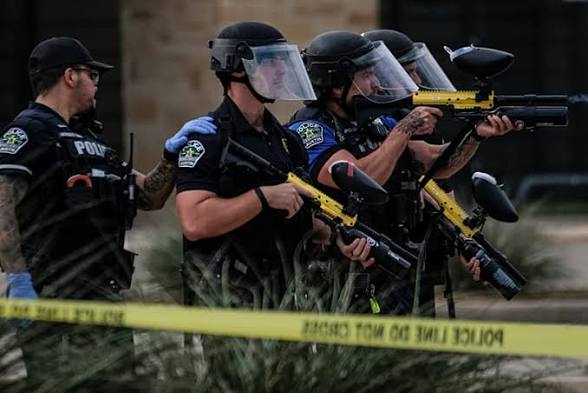
In late 2025 and into early 2026, the Trump administration significantly increased federal immigration enforcement operations in cities including Minneapolis and St. Paul. The initiative, often referred to as an enforcement surge, deployed thousands of ICE and Customs and Border Protection (CBP) agents to carry out raids and arrests as part of a nationwide push against undocumented immigration. Residents and critics immediately described the environment as tense and militarized, with many likening it to an occupation rather than a law enforcement operation.
The rationale from federal authorities has been consistent: enforcing national immigration law is a federal responsibility and must be carried out robustly, even if local jurisdictions resist cooperation. In public remarks, Miller and others have framed local criticism not as legitimate civic dissent but as obstruction or insurrection against federal authority. Miller described certain protests and resistance in Minneapolis as an “insurgency against the federal government,” suggesting that local leaders opposing the ICE presence were undermining constitutional order.
Fatal Shootings and Political Fallout
The situation escalated sharply with the fatal shooting of 37‑year‑old Alex Pretti, a Minneapolis ICU nurse, by a Border Patrol agent during an enforcement operation. Federal authorities initially framed the incident as a justified defensive action, alleging Pretti was armed and dangerous. Yet public video footage and witness accounts have called these claims into question, showing conflicting images of the encounter and sparking outrage from activists and local officials who argue Pretti was unarmed and unjustly killed.
In the wake of this tragedy, Miller’s public response drew intense criticism. On social media, he characterized Pretti as a “would‑be assassin” and accused Democratic officials of siding with “terrorists” by demanding federal agents withdraw from Minnesota and Congress cut ICE funding. Such language escalated tensions by casting local dissent not as political disagreement but as moral complicity in violence against federal officers.
Another fatal shooting — of Renée Good earlier in January — had already sparked protests and community backlash, intensifying mistrust between federal enforcers and Minnesota residents. Combined with Pretti’s death, these incidents catalyzed broader mobilizations, including calls for strikes, de‑escalation, and greater federal oversight.
Political Reactions and National Controversy
Local and State Leaders Push Back
Minnesota officials, including Governor Tim Walz, condemned the federal approach. Walz urged President Trump to withdraw federal agents from the state, arguing that their presence exacerbates unrest rather than promoting safety. Some local leaders have used stark historical comparisons to denounce what they see as excessive federal force and erosion of civil liberties.
Public officials and grassroots organizers also called for institutional accountability, including investigations into the use of force and demands to suspend ICE operations statewide. In response to repeated enforcement encounters that ended in death, labor unions and community groups organized protests and even a general strike in Minnesota, one of the largest coordinated civil actions in decades — highlighting deep anger and mobilization beyond typical protest patterns.
Corporate and Civic Leaders Call for De‑Escalation
The political backlash is not limited to elected officials. Over 60 CEOs from major Minnesota-based companies, including corporations like Target, 3M, and UnitedHealth Group, publicly urged “immediate de‑escalation” of tensions. Business leaders joined civic voices in criticizing the federal response and warning that continued conflict could harm the state’s social and economic fabric.
This broad coalition of corporate condemnation marks a notable departure from typical political divides, reflecting concern about civil stability and community safety beyond partisan lines.
Miller’s Rhetorical Strategy: Escalation or Entitlement?
Framing Dissent as Insurgency
A defining feature of Miller’s rhetoric around the Minnesota crisis is his recurrent theme of framing opposition not as democratic dissent but as existential challenge to federal authority. By describing local resistance as “insurgency,” he invokes language usually reserved for armed rebellion, heightening the stakes of political disagreement. Such framing serves multiple purposes: it rallies hardline supporters, reinforces the necessity of federal authority in immigration enforcement, and casts critics as lawless. Critics say this strategy dangerously polarizes discourse and could justify increasingly aggressive federal responses.
When officials or activists call for investigations, policy changes, or removal of federal agents, Miller and allies depict these views as enabling violence or undermining public safety. In doing so, he extends beyond policy advocacy into moral judgment — framing the debate in terms of national loyalty versus threats to order.
Immunity Messaging and Accountability Concerns
Miller’s public assurance that ICE agents have “federal immunity” while performing their duties is a core element of his messaging strategy, intended to shield enforcement personnel from state-level legal challenges. While the legal concept of federal supremacy in immigration enforcement is established, critics argue that emphasizing immunity without nuance risks undermining accountability and may embolden excessive force, especially in environments already fraught with tension.
In the context of multiple fatal shootings and conflicting narratives about what happened, opponents of this messaging suggest it creates a permissive environment where civil rights violations are more likely to occur and less likely to be checked by local or state legal systems.
National Political Implications
Polarization and Partisan Narrative Warfare
The Minnesota crisis is not merely a local law enforcement issue — it has become a national political flashpoint. Republicans supportive of Trump and Miller argue that stringent enforcement and federal assertiveness are necessary to restore order, uphold laws, and deter illegal immigration.
Conversely, Democrats and civil rights advocates frame the federal actions as heavy-handed, lacking transparency, and violating community trust. The rhetoric on both sides has hardened, with Miller’s language amplifying divisions by portraying opposition not just as political strategy but as moral failure or threat. In this climate, compromise is difficult and public debate has intensified in an environment of mistrust and competing narratives.
Conclusion: Rhetoric Shapes Reality
The current crisis in Minnesota illustrates the powerful role that political rhetoric plays in shaping public perception, policy response, and social conflict. Stephen Miller’s hardline messaging — emphasizing federal supremacy, invoking insurgency metaphors, and affirming immunity measures for ICE agents — reflects a broader conservative strategy that prioritizes enforcement and deterrence above negotiation or reform.
Yet this approach also carries risks. By framing opposition as illegitimate or dangerous, it can alienate moderate voices, escalate conflict, and constrain pathways to consensus. Minnesota’s protests, corporate appeals for de-escalation, and calls for accountability demonstrate how rhetoric can fuel or deter social cohesion.
As the national debate continues, the legacy of Miller’s rhetoric — and the policy directions it informs — will likely remain central to how the U.S. grapples with immigration, federal-local tensions, and the limits of enforcement in a democratic society.
How useful was this post?
Click on a star to rate it!
Average rating 0 / 5. Vote count: 0
No votes so far! Be the first to rate this post.
About the Author

usa5911.com
Administrator
Hi, I’m Gurdeep Singh, a professional content writer from India with over 3 years of experience in the field. I specialize in covering U.S. politics, delivering timely and engaging content tailored specifically for an American audience. Along with my dedicated team, we track and report on all the latest political trends, news, and in-depth analysis shaping the United States today. Our goal is to provide clear, factual, and compelling content that keeps readers informed and engaged with the ever-changing political landscape.