Tom Homan: ICE Shooting Fallout, Minnesota Crackdown, Trump Border Hardline
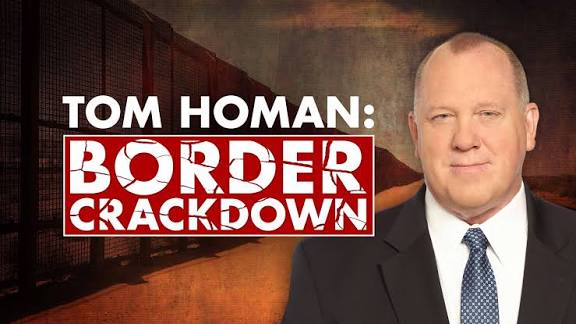
The US President says his administration is reviewing the incident in Minneapolis as some Republicans are breaking ranks. Today we will discuss about Tom Homan: ICE Shooting Fallout, Minnesota Crackdown, Trump Border Hardline
Tom Homan: ICE Shooting Fallout, Minnesota Crackdown, Trump Border Hardline
Thomas Douglas Homan, widely known as Tom Homan, has emerged as one of the most influential and controversial figures in the modern U.S. immigration debate. As former acting director of Immigration and Customs Enforcement (ICE) and later appointed as Border Czar under Donald Trump’s renewed hardline agenda, Homan has become the face of aggressive enforcement, mass deportation plans, and confrontations with sanctuary cities. Recent events in Minnesota, including deadly encounters involving federal agents and large-scale immigration operations, have pushed his name back into global headlines and intensified the national conversation about border security, civil liberties, and federal power.
Who Is Tom Homan?
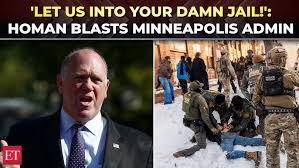
Tom Homan was born in New York and spent more than three decades in U.S. immigration enforcement. He began his career as a police officer before joining the Immigration and Naturalization Service, the predecessor of today’s ICE and Border Patrol agencies. Over the years, he worked in field operations, investigations, and leadership roles, building a reputation as a tough, no-nonsense officer committed to strict application of immigration law.
Homan gained national prominence during Donald Trump’s first presidency when he was appointed Acting Director of ICE in 2017. Under his leadership, arrests of undocumented immigrants increased sharply, and interior enforcement became a central pillar of federal policy. He strongly supported the administration’s zero-tolerance approach at the southern border and publicly defended controversial measures, including the family separation policy, arguing that deterrence was necessary to curb illegal crossings.
After stepping down from ICE, Homan remained active in conservative policy circles and media, consistently advocating for stronger borders, expanded deportations, and an end to sanctuary city protections. His return to a senior enforcement role under Trump’s renewed immigration push cemented his position as a key architect of the administration’s hardline strategy.
Trump’s Border Hardline and Homan’s Influence
Donald Trump’s second-term immigration platform has focused on restoring what he describes as “law and order” at the border and within U.S. cities. Central to this plan is the expansion of ICE operations, faster deportation procedures, and increased cooperation between federal and local law enforcement. Tom Homan has been instrumental in shaping and promoting this agenda.
As Border Czar, Homan has argued that previous administrations weakened enforcement and encouraged illegal migration. He has repeatedly stated that sanctuary policies, which limit local cooperation with ICE, create safe havens for criminals and undermine national security. His message is consistent: immigration law must be enforced uniformly, regardless of local political opposition.
Homan’s rhetoric resonates strongly with Trump’s base, who view strict border control as essential to economic stability and public safety. However, it has also drawn sharp criticism from civil rights groups, immigrant advocates, and Democratic leaders, who accuse him of promoting policies that violate due process and target vulnerable communities.
Minnesota Crackdown and ICE Shooting Fallout
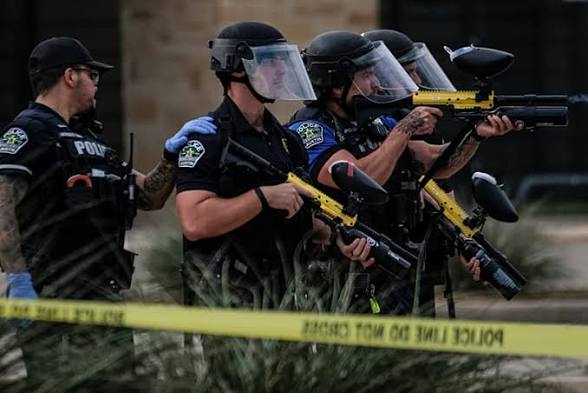
The national debate intensified dramatically following a series of federal immigration operations in Minnesota. Large-scale ICE raids and enforcement actions were launched as part of a broader effort to assert federal authority in sanctuary-leaning regions. Tensions escalated when a protest linked to these operations turned deadly after federal agents opened fire, killing a civilian and injuring others.
Video footage and eyewitness accounts quickly spread across social media, raising questions about the use of force and the rules of engagement employed by federal officers. What began as an enforcement operation soon evolved into a political and legal crisis, with mass demonstrations, calls for independent investigations, and demands for accountability.
In response, the White House dispatched Tom Homan to oversee and coordinate the federal response. His arrival was interpreted by supporters as a sign that the administration would not retreat from its enforcement mission. Critics, however, viewed it as an escalation that could further inflame tensions between local communities and federal authorities.
Homan’s Defense of Federal Enforcement
Throughout the fallout, Homan publicly defended ICE and other federal agencies, asserting that officers were operating in dangerous conditions and responding to credible threats. He argued that misinformation and politically motivated narratives were fueling unrest and putting law enforcement lives at risk.
Homan also criticized local officials who opposed the federal presence, accusing them of obstructing justice and encouraging resistance. In his view, the refusal of some city and state leaders to cooperate with ICE creates confusion on the ground and emboldens individuals to confront federal agents.
His statements underscored a core principle of his philosophy: immigration enforcement is a federal responsibility, and states cannot selectively choose which laws to follow. This position has placed him at the center of a constitutional debate over states’ rights versus federal authority.
Legal and Constitutional Questions
The Minnesota operations and the shootings that followed have triggered serious legal scrutiny. State officials and civil liberties organizations have questioned whether mass deployments of federal agents and warrantless detentions violate constitutional protections. Lawsuits have been filed challenging the scope of federal power and the methods used during raids.
Homan has rejected these claims, maintaining that existing law grants the federal government broad authority over immigration matters. He has emphasized that officers require only reasonable suspicion in certain circumstances and that public safety must take precedence over political sensitivities.
The courts are now expected to play a critical role in determining the limits of enforcement, setting precedents that could shape future operations across the country.
Political Impact and National Divide
The Minnesota crisis has deepened an already sharp political divide. Supporters of the administration argue that decisive action is necessary to restore control over immigration and deter illegal entry. They see Homan as a seasoned professional willing to make hard decisions in the face of political pressure.
Opponents view the crackdown as an example of federal overreach and militarization of immigration policy. They warn that aggressive tactics risk eroding trust between law enforcement and immigrant communities, making cooperation on serious crimes more difficult.
In Congress, the issue has reignited debates over funding for the Department of Homeland Security, oversight of ICE, and the future of sanctuary policies. Some lawmakers have called for limits on enforcement authority, while others are pushing for expanded resources and broader powers.
Homan’s Broader Legacy
Beyond any single incident, Tom Homan’s influence lies in how he has reshaped the tone and direction of U.S. immigration enforcement. He represents a philosophy that prioritizes deterrence, rapid removal, and uncompromising application of the law. His supporters credit him with restoring discipline and clarity to an area of policy they believe has been neglected for years.
Critics argue that his approach reduces complex human issues to matters of force and control, overlooking humanitarian considerations and international obligations. They fear that policies associated with his leadership could leave long-lasting scars on immigrant communities and America’s global reputation.
The Road Ahead
As legal challenges proceed and political tensions remain high, Tom Homan is likely to stay at the center of the immigration debate. The outcome of the Minnesota investigations, along with future enforcement operations, will shape public perception of both ICE and the administration’s broader strategy.
For supporters, Homan symbolizes resolve and commitment to national sovereignty. For opponents, he embodies an era of enforcement they believe threatens civil liberties and social cohesion. Either way, his role in shaping the future of U.S. border and immigration policy is undeniable.
Conclusion
The controversy surrounding Tom Homan, the ICE shooting fallout in Minnesota, and Donald Trump’s renewed border hardline reflects a nation wrestling with fundamental questions about security, law, and human rights. As enforcement intensifies and legal battles unfold, Homan’s actions and philosophy will continue to influence the direction of American immigration policy for years to come.
How useful was this post?
Click on a star to rate it!
Average rating 0 / 5. Vote count: 0
No votes so far! Be the first to rate this post.
About the Author

usa5911.com
Administrator
Hi, I’m Gurdeep Singh, a professional content writer from India with over 3 years of experience in the field. I specialize in covering U.S. politics, delivering timely and engaging content tailored specifically for an American audience. Along with my dedicated team, we track and report on all the latest political trends, news, and in-depth analysis shaping the United States today. Our goal is to provide clear, factual, and compelling content that keeps readers informed and engaged with the ever-changing political landscape.