Government Shutdown 2026: Congress Deadlock, Paychecks Halt, Markets Jitter
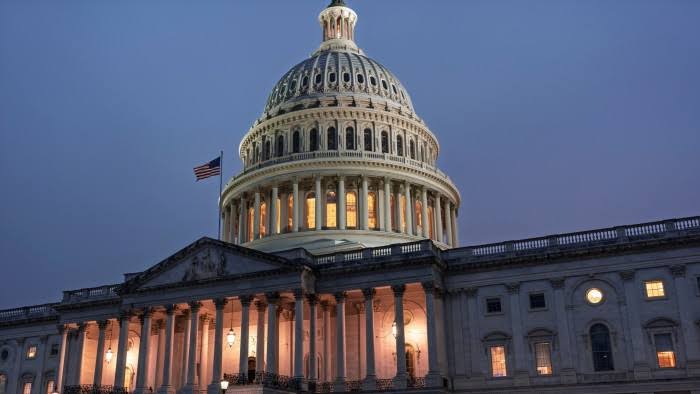
Global stock markets traded higher on Monday morning amid reports that the US government’s long shutdown was ending. Today we will discuss about Government Shutdown 2026: Congress Deadlock, Paychecks Halt, Markets Jitter
Government Shutdown 2026: Congress Deadlock, Paychecks Halt, Markets Jitter
In 2026, the United States once again confronted the disruptive reality of a federal government shutdown. A prolonged political standoff in Congress over spending priorities, immigration policy, and healthcare funding brought large sections of the government to a halt. As lawmakers failed to agree on a budget, federal workers saw their paychecks delayed, essential services operated under strain, and financial markets reacted with unease. The shutdown became a powerful reminder that political gridlock in Washington has real and immediate consequences for citizens, businesses, and the global economy.
A government shutdown occurs when Congress does not pass the necessary funding bills to keep federal agencies operating. Without legal authority to spend, non-essential services are suspended, and many public employees are either furloughed or forced to work without pay. In 2026, this familiar but damaging scenario unfolded once more, highlighting deep divisions in the U.S. political system.
The Roots of the 2026 Congressional Deadlock
The 2026 shutdown was driven by a failure to agree on the federal budget for the new fiscal year. Lawmakers clashed over the size and direction of government spending, with debates centering on healthcare subsidies, border security, defense allocations, and social welfare programs.
Democrats pushed for expanded funding for healthcare, social services, and climate initiatives, arguing that inflation and rising living costs required stronger government support. Republicans, meanwhile, emphasized fiscal discipline, lower discretionary spending, and tougher immigration enforcement. Neither side was willing to compromise on key policy riders attached to funding bills, leading to repeated breakdowns in negotiations.
As deadlines passed without agreement, temporary funding measures expired, triggering a shutdown that forced many agencies to scale back operations or close entirely.
Federal Workers and the Paycheck Crisis
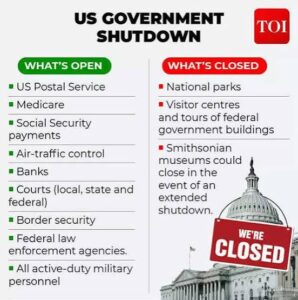
One of the most painful consequences of the shutdown was the impact on federal employees. Hundreds of thousands of workers were placed on furlough, while others classified as “essential” were required to continue working without immediate pay.
For many families, the sudden loss of income created severe financial strain. Rent, mortgages, utility bills, and loan payments did not stop, even though salaries did. Although Congress typically approves back pay once a shutdown ends, the delay can last weeks, forcing workers to rely on savings, credit cards, or short-term loans.
The contrast between lawmakers—who continue receiving their salaries—and unpaid staff further fueled public anger. Congressional aides, airport security officers, park rangers, and food safety inspectors were among those left uncertain about when their next paycheck would arrive.
Disruption of Public Services
A government shutdown does not only affect employees; it also disrupts everyday services that millions rely on.
National parks, museums, and cultural institutions closed or reduced operations, hurting tourism and local economies. Visa processing, passport services, and immigration courts experienced delays, creating backlogs that could take months to clear. Scientific research projects were paused, regulatory approvals slowed, and public data releases were postponed.
Air traffic controllers, border patrol agents, and law enforcement officers continued to work, but often under stressful conditions, knowing they would not be paid until Congress resolved the standoff. Such circumstances raised concerns about morale, safety, and long-term workforce retention.
Economic Consequences
The economic impact of a government shutdown extends far beyond federal offices. Each week of halted operations reduces economic output as government spending contracts and consumer confidence weakens.
Small businesses dependent on federal contracts or tourism were among the hardest hit. Contractors faced delayed payments, forcing some to lay off workers or suspend projects. Restaurants, hotels, and transport services near federal facilities and national parks reported sharp declines in revenue.
On a broader scale, economists warned that prolonged shutdowns could shave significant fractions off quarterly GDP growth, slow investment, and weaken overall economic momentum.
Financial Markets React
Financial markets tend to dislike uncertainty, and the 2026 shutdown was no exception. Stock indices fluctuated as investors worried about the impact on economic growth and the government’s ability to manage its finances. Safe-haven assets such as gold and government bonds attracted cautious investors, while riskier assets experienced volatility.
The delay of key economic indicators—such as employment and inflation data—added to market anxiety. Without timely information, traders and policymakers found it harder to assess the true state of the economy, increasing speculation and price swings.
Global markets also watched closely, as instability in the world’s largest economy can send ripples across international financial systems.
Political Fallout and Public Opinion
Shutdowns often trigger intense political blame games. Each party sought to portray the other as irresponsible, accusing opponents of prioritizing ideology over the welfare of citizens.
Public opinion surveys during past shutdowns have shown that voters grow frustrated with both sides when basic government functions are disrupted. In 2026, similar sentiments emerged, with many Americans calling for reforms to prevent future budget crises.
Some lawmakers proposed automatic continuing resolutions that would keep the government funded if Congress fails to pass a budget on time. Others suggested banning congressional pay during shutdowns or protecting federal workers from income loss. While such ideas gained attention, implementing them would require bipartisan cooperation that remains elusive.
Long-Term Implications
Repeated shutdowns raise concerns about the long-term health of the U.S. political and economic system. Frequent budget crises erode confidence in governance, weaken international credibility, and strain the federal workforce.
Highly skilled professionals may reconsider careers in public service if financial uncertainty becomes routine. Delays in research, infrastructure development, and regulatory oversight can slow innovation and weaken national competitiveness.
For global investors and allies, recurring shutdowns signal instability, potentially influencing decisions about trade, investment, and diplomatic cooperation.
How the 2026 Shutdown Was Resolved
As pressure mounted from the public, business leaders, and financial markets, congressional negotiators eventually returned to the table. A temporary funding agreement was reached to reopen government agencies and provide back pay to affected workers.
The deal involved compromises on spending levels and postponed some of the most contentious policy issues for later debate. While the immediate crisis was resolved, many of the underlying disagreements remained, setting the stage for future confrontations.
Conclusion
The Government Shutdown of 2026 illustrated once again how political deadlock can translate into real-world hardship. From unpaid federal workers and closed public services to jittery markets and slowed economic growth, the consequences were widespread and costly.
Beyond the immediate disruption, the episode highlighted deeper structural problems in the U.S. budget process and the growing polarization in Congress. Without meaningful reform and a renewed commitment to bipartisan cooperation, the risk of future shutdowns will remain.
For citizens, businesses, and the global community, the lesson is clear: stable governance is not merely a political ideal—it is an economic and social necessity.
How useful was this post?
Click on a star to rate it!
Average rating 0 / 5. Vote count: 0
No votes so far! Be the first to rate this post.
About the Author

usa5911.com
Administrator
Hi, I’m Gurdeep Singh, a professional content writer from India with over 3 years of experience in the field. I specialize in covering U.S. politics, delivering timely and engaging content tailored specifically for an American audience. Along with my dedicated team, we track and report on all the latest political trends, news, and in-depth analysis shaping the United States today. Our goal is to provide clear, factual, and compelling content that keeps readers informed and engaged with the ever-changing political landscape.