Andrew Gwynne : MP Exit, Burnham Return, Labour Shockwave
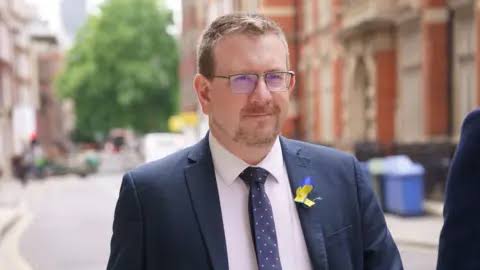
Mr Gwynne has denied that he intends to vacate his Gorton and Denton seat any time soon, but The Times has reported that he will announce. Today we will discuss about Andrew Gwynne : MP Exit, Burnham Return, Labour Shockwave
Andrew Gwynne : MP Exit, Burnham Return, Labour Shockwave
British politics has been shaken by the announcement that Andrew Gwynne, long-serving Labour Member of Parliament for Gorton and Denton, is preparing to step away from Westminster. His decision, officially attributed to long-term health concerns, has come at a moment of intense political sensitivity for the Labour Party. Beyond the personal dimension, Gwynne’s exit has opened the door to a possible parliamentary return for Greater Manchester Mayor Andy Burnham, igniting leadership speculation and exposing deep internal fault lines within Labour.
This development is far more than a routine resignation. It has triggered debates about succession, party unity, regional power, and the future ideological direction of Labour at a time when the party is navigating national governance pressures and voter expectations.
Andrew Gwynne’s Political Journey
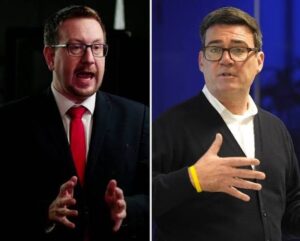
Andrew Gwynne entered Parliament in 2005, representing Denton and Reddish before later securing the newly created Gorton and Denton seat after boundary changes. Over two decades, he became a familiar figure in Labour ranks, known for loyalty to the party and consistent advocacy for public services, particularly in health and social care.
He served in various shadow and ministerial roles, building a reputation as a dependable operator rather than a headline-seeking political star. In government, he worked closely with the health portfolio, an area that brought both professional recognition and intense workload.
However, his career took a difficult turn when private communications surfaced that caused significant political controversy. Though he remained an MP, the episode damaged his standing and placed him under sustained public scrutiny. Coupled with long-standing medical issues, this period marked a sharp personal and professional strain.
In his statement announcing his intention to step down, Gwynne spoke openly of years of ill health and medical advice warning against continuing the relentless pace of parliamentary life. He framed his departure as a necessary step for recovery and family well-being, closing a chapter on more than twenty years of national public service.
A Safe Seat with Strategic Importance
The Gorton and Denton constituency has historically been a Labour stronghold. Any by-election there is expected to return a Labour MP, but the political symbolism is far more significant than the numerical outcome.
The seat lies within Greater Manchester, placing it at the heart of a region dominated politically and culturally by Mayor Andy Burnham. This geographical alignment has transformed what might otherwise be a routine replacement into a potential gateway for Burnham’s return to the House of Commons.
By-elections often act as mood tests for the electorate. In the current climate of rising support for smaller parties, voter dissatisfaction with mainstream politics, and growing regional assertiveness, the contest could reveal more than simply which party holds the seat. It may show whether Labour’s leadership retains deep emotional loyalty in its traditional northern heartlands.
Andy Burnham and the Return Question
Andy Burnham is one of the most recognisable figures in contemporary Labour politics. A former cabinet minister and leadership contender, he reinvented his political career as Mayor of Greater Manchester, where he built a powerful public profile championing devolution, social justice, and regional equality.
His handling of crises, particularly during periods of national emergency and economic stress, earned him strong support among local communities and trade unions. To many in the Labour grassroots, he represents a more emotionally connected, regionally grounded form of leadership than the party’s central command in Westminster.
Speculation about his return to Parliament has circulated for years. A leadership challenge, or even a future leadership bid, would require a seat in the Commons. Gwynne’s resignation suddenly provides a practical route back.
Yet Burnham’s potential candidacy is politically delicate. Party rules, internal power structures, and leadership sensitivities all intersect. Some within Labour fear that his return could destabilise unity or create an alternative power centre. Others believe his presence could revitalise the party’s northern base and broaden its national appeal.
Burnham himself has avoided confirming any immediate ambition, maintaining focus on his mayoral responsibilities. But few doubt that the opening has strategic significance.
Leadership Tensions within Labour
The situation highlights a wider issue: Labour’s unresolved leadership balance between central authority and regional influence. While the current leadership emphasises discipline, electoral caution, and policy moderation, a significant section of the party yearns for a more emotionally resonant, socially rooted voice.
Burnham’s popularity exposes this contrast. He embodies a style of politics that blends pragmatic governance with strong cultural identity, particularly in post-industrial regions that feel neglected by London-centric decision-making.
Gwynne’s exit therefore becomes a catalyst for internal debate. Should Labour prioritise unity around its current leadership, or should it allow space for alternative figures who might reshape its public image and internal democracy?
The role of the party’s governing bodies in approving candidates adds another layer. Any perception of blocking a popular figure could risk accusations of centralised control overriding grassroots choice.
Electoral and Economic Implications
Political leadership speculation does not remain confined to party meetings. It affects investor confidence, policy expectations, and international perception. Even the hint of a potential shift in Labour’s economic direction, associated with a more interventionist or socially focused leadership style, can influence financial markets and business sentiment.
At the same time, opposition parties are watching closely. A divided or distracted Labour Party offers opportunities for challengers to gain ground, particularly in by-elections where protest voting is common. Smaller parties could frame the contest as a referendum on political elitism, leadership infighting, or regional neglect.
Thus, what begins as an individual health-driven resignation could ripple into national political strategy, economic narrative, and voter alignment.
The Human Dimension
Amid the strategic analysis, it is important not to overlook the personal reality behind Andrew Gwynne’s decision. Parliamentary life is relentless, intrusive, and physically demanding. Two decades of public service, combined with illness and controversy, would test any individual’s resilience.
His departure marks the end of a career shaped by loyalty, policy work, and constituency service, even if its final chapter was clouded by difficulty. For many constituents, his work over the years will outweigh the circumstances of his exit.
For Burnham, the moment represents both opportunity and risk. Returning to Westminster could place him once again in the centre of national political conflict, exposing him to the same pressures he has, until now, largely managed from the relative independence of regional leadership.
A Turning Point for Labour’s Future
Ultimately, the “Andrew Gwynne exit – Andy Burnham return” narrative symbolises a broader crossroads for Labour. It raises fundamental questions:
How much power should regions hold within national party structures?
Should leadership succession be tightly managed or openly contested?
Can Labour balance unity with ideological diversity without fracturing?
How does the party reconnect emotionally with voters while maintaining economic credibility?
The forthcoming by-election will not simply choose a new MP. It will act as a barometer of party confidence, regional loyalty, and leadership legitimacy.
Whether Andy Burnham steps forward or not, the political shockwave created by Gwynne’s departure has already exposed unresolved tensions at the heart of Labour. The outcome will shape not only one constituency’s representation, but potentially the direction of the party’s leadership debate for years to come.
How useful was this post?
Click on a star to rate it!
Average rating 0 / 5. Vote count: 0
No votes so far! Be the first to rate this post.
About the Author

usa5911.com
Administrator
Hi, I’m Gurdeep Singh, a professional content writer from India with over 3 years of experience in the field. I specialize in covering U.S. politics, delivering timely and engaging content tailored specifically for an American audience. Along with my dedicated team, we track and report on all the latest political trends, news, and in-depth analysis shaping the United States today. Our goal is to provide clear, factual, and compelling content that keeps readers informed and engaged with the ever-changing political landscape.