Iceland Emergency Shock: hospital overload, record ER rush, system strain today
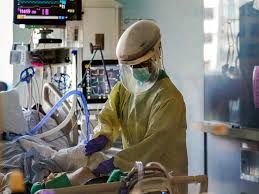
Emergency department visits, hospitalizations, and length of hospital stay can be reduced. Today we will discuss about Iceland Emergency Shock: hospital overload, record ER rush, system strain today
Iceland Emergency Shock: hospital overload, record ER rush, system strain today
Iceland, long known for its robust public healthcare system and high life expectancy, is facing an unprecedented shock in its emergency medical services. In late 2025 and into early 2026, the nation’s hospitals — especially emergency rooms (ERs) — have been overwhelmed by record patient inflows, staffing shortages, and systemic strain never seen at this scale before. What began as periodic capacity issues has escalated into what many healthcare workers describe as a near-systemic emergency — a stress event that touches every link of the Icelandic healthcare chain. This article explores why the crisis is happening, what it looks like on the ground, and why it has become a national concern.
1. A Healthcare System Stretched to the Limits

Iceland’s public healthcare system is designed to provide comprehensive services from preventive care to emergency response. Major hospitals include Landspítali – the National University Hospital of Iceland in Reykjavík and Akureyri Hospital in the north. These institutions serve as the backbone of emergency care and specialized treatment across the country.
Yet in late 2025, these core institutions began reporting disturbingly high levels of patient demand that far exceed their intended capacity.
1.1 Emergency Rooms Beyond Capacity
One of the most striking snapshots of the crisis occurred in mid-December 2025 at the Emergency Department in Landspítali’s Fossvogi campus. The facility, which normally accommodates around 36 emergency admissions, was simultaneously managing as many as 86 patients — more than twice its intended capacity. This record surge forced emergency managers to take extraordinary measures.
Staff were pushed beyond safe operational limits, with some patients temporarily housed in parking garages and non-clinical spaces to make room for new arrivals. These conditions sparked public alarm and intense discussion within the medical community about the adequacy of existing infrastructure.
1.2 A System Already Strained by Staffing Patterns
Simultaneously, hospitals grappled with serious staffing deficits. A 2025 audit revealed that Landspítali failed to meet its nurse staffing plan, with dozens of registered nurse and licensed practical nurse positions vacant. This workforce gap constrains clinical capacity and intensifies workload for remaining staff.
Moreover, workforce reform policies aimed at work-hour adjustments inadvertently compounded strain by stretching existing personnel even thinner during peak service demand.
2. What’s Driving the Crisis? Multi-Layered Stressors
There’s no single cause behind Iceland’s emergency room overload — instead, a combination of systemic, seasonal, and structural pressures have coincided:
2.1 Influenza & Seasonal Illness Waves
During winter 2025–2026, Iceland experienced higher volumes of respiratory and seasonal illness. Healthcare authorities and media reported increased ER visits due to influenza, gastroenteritis, and weather-related injuries driven by icy conditions.
These trends typically stress emergency departments every year, but the scale and duration of the surge this season are exceptional.
2.2 High Patient Occupancy & Bed Shortages
Unlike emergency departments, hospital wards and long-term care beds have limited elasticity. When patients cannot be discharged due to lack of downstream care (e.g., rehabilitation, home support, custodial care), bed occupancy remains high — a phenomenon known as the exit blockade. This creates a funnel effect, causing emergency admissions to back up into inpatient units.
The result: even patients who need urgent care may wait longer, not because of lack of personnel, but because there’s nowhere to safely place them inside the hospital.
2.3 Structural Limits in Rural Areas
Outside Reykjavík, facilities like Akureyri Hospital have also faced notable pressure. Akureyri serves all of northern Iceland and has reported overcrowding and staffing shortages, with anecdotal reports of full wards and increased transfers to the capital region.
These pressures reflect broader regional disparities in healthcare capacity, worsened by population patterns and logistics.
2.4 Workforce Imbalances
Despite overall healthcare workforce density that is high compared with many European nations, Iceland suffers from imbalances in staffing mix and deployment, especially in emergency specialties and long-term nursing care. Understaffed nursing homes and rehabilitation facilities contribute to discharge delays that accumulate back into hospitals.
This structural challenge is not seasonal — it predates the current crisis — but it has amplified the system’s sensitivity to surges in patient demand.
3. The Human Impact of Emergency Overload
Behind the clinical statistics are real people faced with longer waits, uncertain outcomes, and stressed caregivers. Emergency department crowding is not just an administrative issue — it directly affects patient safety and care quality.
3.1 Patients in Non-Clinical Spaces
In emergency overflow situations, some patients were placed in parking garage areas or other temporary spaces to free up beds. Although these improvised measures allow critical care to continue, they raise concerns about dignity, privacy, and risk management.
3.2 Increased Triage Pressures
With more patients than beds, ER staff must triage more aggressively, reserving immediate care for the most severe cases. For individuals with less urgent but still serious needs, this means extended waits or referrals to alternative clinics, such as out-of-hours primary care centers.
3.3 Psychological Toll on Healthcare Workers
International research shows that emergency department crowding correlates with increases in staff burnout, fatigue, and turnover — a feedback loop that can worsen system strain. While no Iceland-specific burnout data is currently available publicly, the reported staffing shortfalls and extended overload suggest similar dynamics at play.
4. Political & Policy Response
This crisis has spurred debate among policymakers and healthcare professionals about both short-term emergency measures and longer-term structural reforms:
4.1 Emergency Task Forces & Incident Response
In response to critical overcrowding, hospitals and authorities have organized emergency task groups to manage patient flow and triage priorities. These teams aim to smooth bottlenecks between ERs, wards, and community-based care.
Such responses — while necessary — are reactive and underscore the need for more sustainable systems planning.
4.2 Calls for Investment in Long-Term Care
Experts argue that part of the solution lies outside the hospitals: expanding long-term nursing care, home health services, and rehabilitation facilities. Without adequate downstream resources, primary hospitals will continue to bear the strain of patients who no longer need acute care but cannot be discharged safely.
4.3 Workforce Policies & Training
Iceland is also grappling with how best to train, retain, and deploy healthcare professionals — from nurses to specialists. Improved incentive models, targeted recruitment for emergency medicine, and enhanced training pipelines are among the policy options under discussion.
5. What’s Next — Can the Crisis Be Reversed?
Looking forward, several key dynamics will determine whether Iceland’s emergency care crisis abates or deepens.
5.1 Seasonal Variations
Winter and early spring traditionally bring pressure to emergency services — due to weather-related injuries and seasonal illnesses. However, the current scale already suggests deeper systemic stress beyond regular seasonal fluctuations.
Public health campaigns urging preventive care and early primary care access could reduce unnecessary ER visits, but cannot fully offset infrastructure limits during extreme surges.
5.2 Infrastructure Investments
Plans for hospital expansions — particularly at regional centers like Akureyri — may help moderate pressure in future years. But these projects take time, and immediate relief will depend on operational innovations, such as telemedicine, optimized patient flow, and rapid discharge pathways.
5.3 Integrated Community Care
Strengthening community health networks — including urgent care clinics and mobile health teams — can divert non-critical patients from emergency rooms, easing demand. Expansion of such services is increasingly viewed by policy experts as a strategic priority.
6. Conclusion: A System at a Crossroads
Iceland’s emergency healthcare shock — defined by record traffic at ERs and chronic hospital overload — has exposed vulnerabilities in a system once praised for its resilience. Today’s crisis is not just about busy emergency departments; it reflects broader challenges in workforce capacity, hospital flow management, long-term care infrastructure, and even national health policy.
As Iceland navigates this emergency period, the choices it makes now — both in crisis management and in long-term health planning — will profoundly shape the future of healthcare delivery in the nation.
This situation is not merely an Icelandic story; it mirrors similar healthcare stresses in many developed nations where aging populations, limited bed capacity, and workforce constraints converge. But for Iceland, the current shock is real, immediate, and deeply impactful — a clarion call for innovation, investment, and transformation.
How useful was this post?
Click on a star to rate it!
Average rating 0 / 5. Vote count: 0
No votes so far! Be the first to rate this post.
About the Author

usa5911.com
Administrator
Hi, I’m Gurdeep Singh, a professional content writer from India with over 3 years of experience in the field. I specialize in covering U.S. politics, delivering timely and engaging content tailored specifically for an American audience. Along with my dedicated team, we track and report on all the latest political trends, news, and in-depth analysis shaping the United States today. Our goal is to provide clear, factual, and compelling content that keeps readers informed and engaged with the ever-changing political landscape.