Harry Reid : Senate Rule Upheaval, New Biography Surge, Legacy Debate
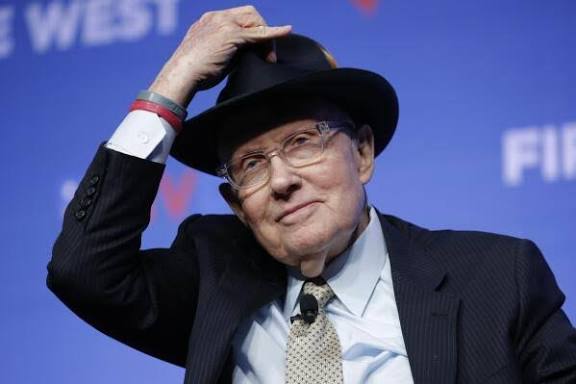
Harry Reid (1939–2021), Nevada’s longest-serving senator and former Senate Majority Leader (2007–2015), left a complex, enduring, and heavily debated legacy. Today we will discuss about Harry Reid : Senate Rule Upheaval, New Biography Surge, Legacy Debate
Harry Reid : Senate Rule Upheaval, New Biography Surge, Legacy Debate
Harry Mason Reid Jr. remains one of the most influential and controversial figures in modern American political history. Rising from a small mining town in Nevada to become one of the most powerful lawmakers in Washington, Reid’s career reshaped Senate rules, redefined partisan strategy, and left behind a legacy that continues to spark debate among historians, politicians, and the public alike.
From transforming the filibuster to guiding landmark legislation and inspiring a wave of new biographical interest, Harry Reid’s impact on American governance is both profound and polarizing.
Early Life: From Desert Hardship to Political Ambition
Born in 1939 in Searchlight, Nevada, a struggling mining town near the California border, Harry Reid grew up in a working-class household. His father worked in the mines, and his mother took on laundry and domestic work to support the family. Poverty and isolation shaped his early worldview, instilling discipline, resilience, and an unshakeable belief in upward mobility through education.
Reid often traveled long distances simply to attend school, an experience that built the grit and persistence that later defined his political career. He went on to study at Southern Utah University and Utah State University before earning a law degree in Washington, D.C. This transition from rural Nevada to the nation’s capital marked the beginning of a lifelong connection to public service.
Entry into Politics and Rise Through the Ranks
Reid’s political career began at the local level. He served as a city attorney and later as a member of the Nevada Assembly before becoming lieutenant governor. Though he lost early statewide and congressional races, these defeats sharpened his strategic instincts.
In the 1980s, Reid finally broke through, winning election to the U.S. House of Representatives and then to the U.S. Senate. Over the next three decades, he built a reputation as a disciplined legislator, skilled negotiator, and behind-the-scenes power broker.
His ascent within Democratic leadership culminated in his role as Senate Majority Leader, a position he held during some of the most turbulent years in modern American politics.
Legislative Power and National Influence
As Majority Leader, Reid oversaw a Senate confronting financial crisis, war, healthcare reform, and ideological polarization. He played a central role in passing major legislation, including economic stimulus measures following the 2008 financial collapse, sweeping healthcare reform, and regulatory changes aimed at stabilizing financial markets.
Reid’s leadership style was pragmatic and strategic rather than charismatic. He was known for his ability to count votes, manage internal party divisions, and maneuver complex procedural rules to advance Democratic priorities.
The Senate Rule Upheaval: The Filibuster Battle
The defining moment of Reid’s institutional legacy came in 2013 with his decision to fundamentally alter the Senate’s confirmation process.
For decades, the filibuster allowed a minority of senators to block judicial and executive nominations unless a 60-vote supermajority could end debate. Reid argued that unprecedented obstruction had turned the confirmation process into permanent gridlock, preventing the federal government and judiciary from functioning effectively.
In response, he invoked the so-called “nuclear option,” changing Senate rules to allow most nominations to be confirmed by a simple majority vote. This historic move shattered long-standing norms and permanently transformed the balance of power in the chamber.
Supporters: A Reformer Who Broke the Logjam
Supporters contend that Reid’s decision was a necessary modernization of an outdated system. They argue that the Senate had become paralyzed by partisan obstruction and that constitutional governance required the executive branch and courts to be properly staffed.
From this perspective, Reid’s rule change restored democratic accountability by ensuring that elected presidents could form their administrations and appoint judges without minority veto.
They also credit Reid with protecting voting rights, expanding healthcare access, strengthening environmental protections, and elevating Nevada’s national standing.
Critics: The Architect of Institutional Erosion
Critics, however, view the rule change as a turning point in the erosion of Senate tradition. They argue that by weakening the filibuster, Reid undermined the chamber’s role as a deliberative body designed to protect minority viewpoints.
Many believe his move paved the way for later majoritarian tactics, including the confirmation of Supreme Court justices by narrow party-line votes. In this interpretation, Reid’s legacy is tied not only to legislative success but also to the acceleration of partisan warfare and procedural brinkmanship.
The Biography Boom and Historical Reassessment
In recent years, interest in Reid’s life has surged, with new biographies and political histories reassessing his influence. These works portray him as a complex figure: a man of humble origins who mastered the mechanics of power, a party loyalist who reshaped institutions, and a strategic realist who believed results mattered more than tradition.
Biographers highlight his personal discipline, quiet intensity, and long-term vision, as well as the controversies that followed his most consequential decisions.
This renewed scholarly focus reflects a broader effort to understand how individual leaders can alter the architecture of democratic institutions.
Nevada’s Champion
At home, Reid is remembered as one of the most powerful advocates Nevada has ever had in Washington. He secured federal investments, championed renewable energy development, expanded public lands protections, and promoted economic diversification beyond mining and tourism.
His influence was so enduring that the state’s primary international airport was renamed in his honor, symbolizing his lasting imprint on Nevada’s political and economic identity.
Personal Character and Leadership Style
Reid was not known for soaring speeches or theatrical performances. Instead, his power lay in discipline, loyalty, and tactical mastery. Colleagues often described him as intensely private, deeply strategic, and unwaveringly focused on outcomes.
Despite fierce political battles, he maintained personal relationships across party lines, even as institutional cooperation declined. His leadership reflected the transition of American politics from collegial negotiation to high-stakes partisan conflict.
Final Years and National Reflection
After retiring from the Senate, Reid remained a respected voice within the Democratic Party until his death in 2021 following a long illness. Tributes poured in from across the political spectrum, acknowledging both his historic achievements and the controversies that defined his career.
His passing prompted a broader national reflection on the transformation of the Senate itself — from a chamber governed by unwritten rules and traditions to one increasingly shaped by raw political power and procedural warfare.
Conclusion: A Legacy That Will Shape History
Harry Reid’s story is ultimately the story of modern American governance: the struggle between tradition and reform, minority rights and majority rule, consensus and confrontation.
To some, he will be remembered as the leader who broke through obstruction and delivered historic legislative victories. To others, he will remain the figure who opened the door to escalating procedural conflict and partisan dominance.
What is beyond dispute is that Harry Reid changed the United States Senate forever. His decisions reshaped how laws are passed, how judges are confirmed, and how power is exercised in Washington.
As new biographies continue to emerge and historians reassess the early 21st century, Harry Reid’s name will remain central to the debate over how democracy evolves — and what is gained or lost when its rules are rewritten.
How useful was this post?
Click on a star to rate it!
Average rating 0 / 5. Vote count: 0
No votes so far! Be the first to rate this post.
About the Author

usa5911.com
Administrator
Hi, I’m Gurdeep Singh, a professional content writer from India with over 3 years of experience in the field. I specialize in covering U.S. politics, delivering timely and engaging content tailored specifically for an American audience. Along with my dedicated team, we track and report on all the latest political trends, news, and in-depth analysis shaping the United States today. Our goal is to provide clear, factual, and compelling content that keeps readers informed and engaged with the ever-changing political landscape.