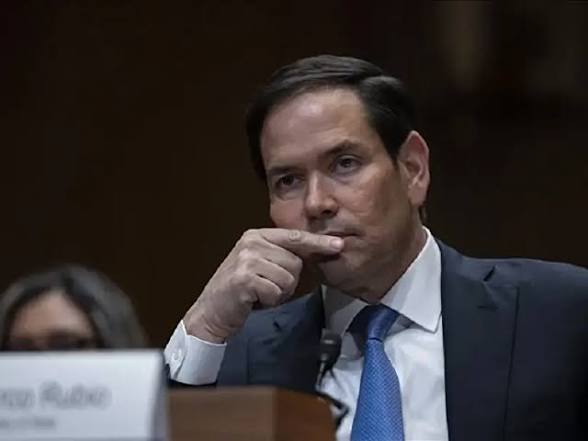
Jens Spahn: CDU/CSU leader pushes new pension reforms, internal revolt brews
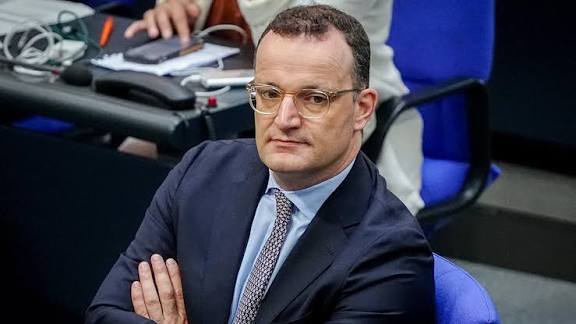
In December 2025, the coalition government of German Chancellor Friedrich Merz, with significant support from CDU/CSU parliamentary leader Jens Spahn. Today we will discuss about Jens Spahn: CDU/CSU leader pushes new pension reforms, internal revolt brews
Jens Spahn: CDU/CSU leader pushes new pension reforms, internal revolt brews
Jens Georg Spahn, one of Germany’s most prominent and controversial politicians, has once again thrust himself into the spotlight amid a turbulent debate over pension reform that could shape the country’s socio-economic landscape for decades. As leader of the CDU/CSU parliamentary group, Spahn is navigating a fractured political environment in Berlin — pushing bold pension proposals while confronting growing dissent within his own ranks.
From Young Parliamentarian to CDU/CSU Parliamentary Leader

Born on 16 May 1980 in Ahaus, North Rhine-Westphalia, Jens Spahn entered politics early. Joining the Junge Union at just 15 and the CDU by age 17, Spahn quickly built a reputation as a committed, ambitious politician. In 2002, he became one of the youngest ever directly elected members of the German Bundestag, a seat he has maintained ever since.
Spahn’s early political career was marked by a willingness to challenge established norms within his own conservative party. As a member of CDU’s national presidium and later parliamentary leadership, he earned attention as both a policy innovator and a divisive figure. His stances have ranged from advocating for same-sex marriage recognition to critiques of his party’s social and economic strategies.
In May 2025, Spahn achieved one of the pinnacles of his political career — he was elected leader of the CDU/CSU parliamentary group in the Bundestag, succeeding Friedrich Merz with overwhelming support from his caucus. This role places him at the core of legislative strategy for Germany’s largest centre-right bloc and positions him as a key influencer in national policy.
Why Pension Reform Matters in Germany
Germany, like many advanced economies, faces significant demographic change. A rapidly ageing population — coupled with decades of low birth rates — has strained the traditional pay-as-you-go pension system. With fewer workers supporting more retirees, concerns about long-term financial sustainability have become central in public policy debates.
Historically, the retirement age rose from 65 to 67, a reform completed by the early 2030s in response to demographic pressures. But even this adjustment may not be enough to ensure the long-term viability of pension financing.
Against this backdrop, Germany’s new governing coalition — composed of the CDU/CSU and the Social Democratic Party (SPD) — negotiated a complex pension reform package during protracted negotiations over the federal budget and social policy.
Spahn’s Pension Reform Agenda
As leader of the CDU/CSU parliamentary group, Spahn has been at the forefront of shaping and defending the coalition’s pension reform strategy.
Central to this agenda is the plan to lock the statutory pension replacement rate at 48% of average net income until at least 2031. This “pension floor” represents a commitment to protect retirees from downward pressures on benefits. It is intended to reassure older workers while maintaining inter-generational fairness.
Spahn has also publicly expressed his belief that the pension age may have to increase further in the long term, tied to improvements in life expectancy. The suggestion — that Germans might work beyond age 67 as longevity increases — has ignited debate about the balance between fairness and sustainability.
Additionally, the reform package includes measures such as:
“Active Pension” incentives, allowing retirees to earn up to €2,000 per month tax-free while remaining in the workforce, encouraging extended employment among older workers.
Extension of “Mütterrente” (Mother’s Pension) benefits, aimed at compensating women for childrearing years, a policy strongly supported within the CSU.
Collectively, these reforms reflect Spahn’s attempt to forge a balanced approach — protecting current and near-retirement generations while gradually preparing for the fiscal challenges ahead.
Internal Revolt Within the CDU/CSU
Despite strong leadership credentials, Spahn’s pension strategy has not been universally embraced within his own camp.
A vocal contingent of younger CDU/CSU lawmakers, particularly from the Junge Union (the party’s youth wing), has openly challenged the pension package. These dissidents argue that extending generous benefits and maintaining high replacement rates without sufficient sustainability mechanisms shifts an undue financial burden onto future generations. They are especially critical of the absence of meaningful structural reforms after 2031, when the current pension floor expires.
At one point, 18 lawmakers threatened to withhold support for the reform in the Bundestag, potentially jeopardising its passage given the slim coalition majority. This internal revolt underscored a significant fissure within the CDU/CSU — between party elders aligned with Merz and Spahn’s more pragmatic centre, and younger conservatives advocating deeper systemic changes.
Media reports also surfaced suggesting disputes over the tone and pressure exerted during internal negotiations, with critics asserting that party leadership leaned hard on younger MPs to accept the compromise. Spahn and his team denied accusations of threats, characterising discussions as standard intra-party deliberations.
The rebellion reverberated beyond internal party dynamics: SPD leaders warned that continued discord could threaten coalition stability if the reform failed to garner parliamentary support, highlighting the broader political stakes of this issue.
Navigating Political Minefields
Spahn’s handling of the pension debate illustrates his broader political style — assertive, unapologetic, and willing to confront controversy. He has built a reputation for bold policy positions, including calls for more stringent social welfare rules and sharper public spending oversight.
However, not all of Spahn’s bold stances have been uncontroversial. Like many politicians with long public careers, he has faced scrutiny over past decisions — including criticism linked to procurement practices during the COVID-19 pandemic, an episode that remains a point of contention among political rivals and commentators.
In navigating the pension issue, Spahn appears acutely aware that political success will depend not just on policy substance, but on coalition cohesion and public messaging. With Germany’s federal elections on the horizon and broader debates over social welfare dominating public discourse, the outcome of this reform effort could substantially influence his political capital and future prospects.
Balancing Political Priorities and Public Expectations
Public reaction to pension reform has been mixed. Older voters, for whom secure retirement benefits are a priority, largely back measures that protect pension income. But younger workers, already facing economic pressures and housing affordability challenges, are more sceptical about reforms that might saddle them with higher social-security contributions or delayed retirement ages.
This demographic divergence reflects a broader generational debate in many Western democracies: how to balance dignity and security for older citizens while preserving opportunities and fairness for younger cohorts.
As pension reform legislation progresses through final parliamentary votes, Spahn’s leadership will be tested on several fronts:
Can he persuade disaffected younger MPs to fall in line?
Will SPD and coalition partners agree to further compromises?
How will voters judge the political trade-offs inherent in pension reform when measured against economic realities?
The Road Ahead
Germany’s pension reform effort, with its blend of cautious optimism and deep controversy, underscores a defining challenge of 21st-century governance: how to adapt social systems to demographic change without fracturing political consensus.
Jens Spahn’s role in this saga — as strategist, negotiator, and party leader — reveals both his influence and the limits of political authority in a pluralistic democracy. Whether he ultimately emerges as a unifying force who delivers substantive reform, or whether internal divisions weaken his leadership, remains uncertain.
What is clear is that pension reform will remain central to German political discourse for years to come, shaping not only the welfare state but also the broader contours of generational equity and social solidarity.
How useful was this post?
Click on a star to rate it!
Average rating 0 / 5. Vote count: 0
No votes so far! Be the first to rate this post.
About the Author

usa5911.com
Administrator
Hi, I’m Gurdeep Singh, a professional content writer from India with over 3 years of experience in the field. I specialize in covering U.S. politics, delivering timely and engaging content tailored specifically for an American audience. Along with my dedicated team, we track and report on all the latest political trends, news, and in-depth analysis shaping the United States today. Our goal is to provide clear, factual, and compelling content that keeps readers informed and engaged with the ever-changing political landscape.