Luigi Mangione : defense challenges key evidence, back in federal court
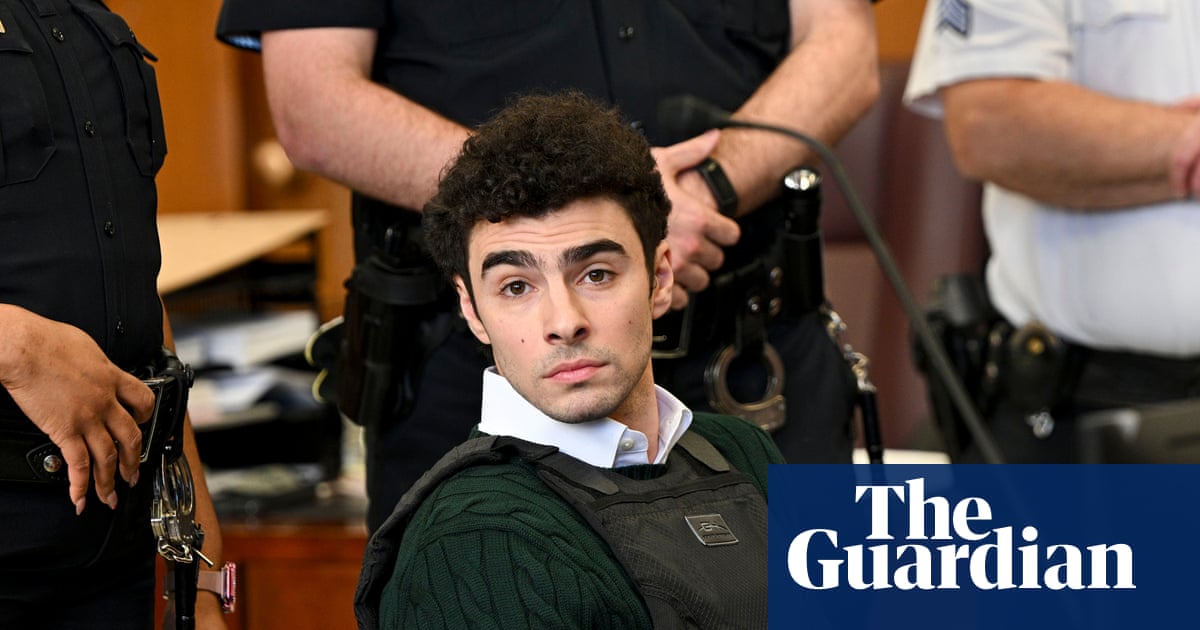
Mangione’s defense also wants key evidence removed from her federal case, arguing that items were illegally confiscated from her bag during her arrest. Today we will discuss about Luigi Mangione : defense challenges key evidence, back in federal court
Luigi Mangione : defense challenges key evidence, back in federal court
In the sprawling and controversial criminal case against Luigi Mangione, the 27‑year‑old accused of murdering UnitedHealthcare CEO Brian Thompson, the battlefield has shifted — at least temporarily — from questions of guilt to questions of legal procedure, constitutional rights, and the very foundations of the U.S. justice system.
As Mangione faces both federal and state prosecution, his legal team is mounting a sweeping challenge to critical evidence and the government’s pursuit of the death penalty, transforming what could have been a straightforward murder trial into a high-stakes pretrial legal drama with wide ramifications.
The Case So Far: Who Is Luigi Mangione?

Luigi Mangione first came to national public attention in December 2024 when authorities accused him of shooting and killing Brian Thompson, the CEO of UnitedHealthcare, outside a Manhattan hotel as Thompson arrived for a corporate investor conference.
According to prosecutors, Mangione, an Ivy League-educated Maryland native, stalked Thompson and fired a shot from behind using a handgun. Surveillance footage purportedly shows a masked gunman drawing a 9mm firearm and shooting Thompson in public, shocking witnesses and triggering a nationwide manhunt.
Mangione was arrested five days later in Altoona, Pennsylvania, at a McDonald’s after an alert patron recognized him from widely circulated images.
Charges Across Jurisdictions
By the end of 2024 and into early 2025, Mangione was charged in multiple legal venues:
Federal indictment for murder with use of a firearm, stalking, and related offenses, including potential death penalty exposure.
New York state charges, including murder and weapons counts.
Pennsylvania charges related to weapons violations at the scene of his arrest.
In all cases, Mangione pleaded not guilty.
From State Terrorism to Federal Death Penalty: A Shifting Legal Landscape
Initially, prosecutors in New York sought terrorism enhancements alongside murder charges; a state judge ultimately dismissed those terrorism counts, ruling that the evidence did not meet the legal threshold for terrorism under New York law.
However, in federal court, the Justice Department announced its intent to seek the death penalty if Mangione is convicted of certain counts, framing the killing as a “premeditated, cold-blooded assassination” that might qualify for capital punishment.
Seeking the death penalty in a federal murder case is unusual, particularly given the political and public scrutiny such cases attract. But prosecutors argued that a federal law on murders committed with firearms as part of other “crimes of violence” allowed them to pursue capital punishment.
As the federal proceedings unfolded through 2025 and into early 2026, Mangione’s defense did not take these developments quietly — and that sets the stage for his current legal strategy.
Defense Strategy: Challenging the Evidence and the Death Penalty
Rather than merely waiting for trial, Mangione’s legal team has aggressively challenged the government on multiple fronts, including the admissibility of key evidence and the very legitimacy of seeking a death sentence.
1. Suppression of Evidence
A central pillar of the defense’s argument in both state and federal contexts has been that crucial evidence was obtained illegally, violating Mangione’s constitutional rights.
The defense contends that law enforcement officers conducted a warrantless search of Mangione’s backpack at the McDonald’s where he was arrested. Inside, prosecutors say, they found a pistol, a handgun magazine, a handmade silencer, a notebook containing entries allegedly indicating hostility toward insurance executives, and other incriminating items.
Mangione’s lawyers argue that this search violated the Fourth Amendment’s protection against unreasonable searches and seizures. They also challenge the admissibility of Mangione’s statements to law enforcement, asserting possible violations of Miranda rights if proper warnings were not given before questioning.
In court hearings, defense attorneys have highlighted body-camera video and testimony suggesting officers debated whether they had the legal authority or exigent circumstances to search the backpack before securing a warrant — a debate that could prove pivotal if judged to reflect procedural errors.
2. Contesting Statements by Prosecutors and Officials
The defense has also taken aim at public statements made by officials in the run-up to the federal prosecution. They argue that announcements to seek the death penalty — accompanied by media attention — created unfair prejudice against Mangione, potentially tainting jurors and jeopardizing his right to a fair trial.
In motions filed with the court, Mangione’s attorneys have alleged that such statements, along with highly publicized events like his initial “perp walk,” have compromised the integrity of the judicial process and undermined fundamental due process protections.
3. Due Process and Other Constitutional Claims
Beyond the Fourth Amendment and public statements, Mangione’s team has advanced broader constitutional claims, contending that government actions have prejudiced his case in ways that go beyond ordinary pretrial publicity.
These claims include arguments that the government has linked Mangione unjustly to unrelated violent events or extremist narratives in public discourse, further inflaming public sentiment against him — a factor his lawyers say could influence jurors even before trial begins.
The Federal Court Hearing: A High-Stakes Engagement
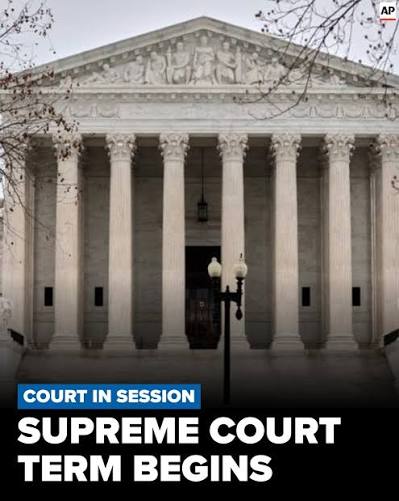
As of January 2026, Mangione is back in federal court for hearings that could determine whether key evidence is excluded and whether he will continue to face federal charges eligible for the death penalty.
Mangione appeared before a federal judge to argue that the government’s handling of his arrest and prosecution violated his rights — and that these violations should bar the death penalty count from moving forward.
Prosecutors, on the other hand, have argued that Mangione’s charges are legally sound and that any potential bias caused by public statements can be mitigated through traditional jury selection processes.
One upcoming decision may focus on whether Mangione’s federal murder charge remains viable with the death penalty enhancement. Should a judge rule for the defense on that issue, it could substantially reshape the government’s case.
Public Reaction and Cultural Reverberation
Unusual for a high-profile murder case, Mangione has drawn significant and often polarized public attention. Some supporters view him as a symbol of resistance against the perceived injustices of America’s health insurance system — even dubbing him a sort of anti-hero — while others condemn his actions as cold-blooded violence.
This dual narrative — criminal defendant versus symbolic figure — has fueled fundraising efforts, social media campaigns, and community discussion far beyond typical criminal cases.
However, courts have repeatedly emphasized that public sentiment — whether supportive or condemnatory — cannot substitute for evidence and legal standards. This is why defense claims about prejudice and media influence are central to the legal strategy now unfolding.
What Happens Next?
With pretrial hearings ongoing, multiple possibilities lie ahead:
A ruling on evidence suppression could determine whether key physical items and statements can be used at trial.
A decision on the death penalty enhancement could narrow the federal charges or alter the potential sentencing exposure.
Trial dates in both federal and state cases remain uncertain, as both sides prepare for complex legal maneuvering.
Given the complexity of the charges and the constitutional issues raised, legal observers expect continued litigation through 2026 and possibly beyond.
Conclusion: A Case That Challenges Legal Norms
The criminal case against Luigi Mangione is more than a prosecution of a single defendant. It has become a litmus test for constitutional protections, evidentiary standards, media influence on trials, and the role of the federal death penalty in modern jurisprudence.
For Mangione, what began as an arrest and prosecution for murder has transformed into a broader legal battle over how justice is administered in America — and whether procedural safeguards can withstand the pressures of public opinion and political rhetoric.
As the federal court continues to weigh defense challenges to key evidence and the government’s pursuit of the death penalty, observers and participants alike will be watching closely. Whatever the outcome, the proceedings are likely to leave a lasting imprint on criminal procedure and the intersection of media, politics, and the law.
How useful was this post?
Click on a star to rate it!
Average rating 0 / 5. Vote count: 0
No votes so far! Be the first to rate this post.
About the Author

usa5911.com
Administrator
Hi, I’m Gurdeep Singh, a professional content writer from India with over 3 years of experience in the field. I specialize in covering U.S. politics, delivering timely and engaging content tailored specifically for an American audience. Along with my dedicated team, we track and report on all the latest political trends, news, and in-depth analysis shaping the United States today. Our goal is to provide clear, factual, and compelling content that keeps readers informed and engaged with the ever-changing political landscape.