Mamdani WOKE Agenda : NYC bankruptcy risk, GOP strategist warning, financial panic
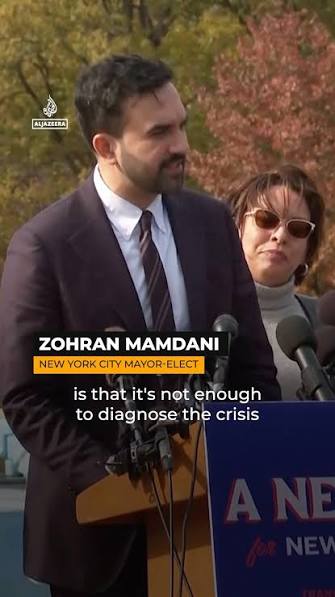
Zoharan Mamdani’s opponents, including Andrew Cuomo, thought that his socialist politics and his positions on Israel would sink his candidacy. Today we will discuss about Mamdani WOKE Agenda : NYC bankruptcy risk, GOP strategist warning, financial panic
Mamdani WOKE Agenda : NYC bankruptcy risk, GOP strategist warning, financial panic
On January 1, 2026, Zohran Mamdani was officially sworn in as the mayor of New York City, becoming the city’s first Muslim mayor and one of the most unabashedly progressive Democratic leaders in recent U.S. history. His inauguration — surrounded by progressive icons like Bernie Sanders and Alexandria Ocasio-Cortez — marked a turning point in urban governance debates. Mamdani’s rise crystallized a new political force within the Democratic Party: a blend of democratic socialism, affordability reforms, and ambitious public spending that has ignited both fervent support and sharp criticism.
At the heart of the controversy lies what critics on the right label the “Mamdani WOKE Agenda” — a sweeping suite of policies they argue will fundamentally reshape New York’s economic and social structures. Supporters see it as desperately needed action to tackle inequality and the cost of living. Detractors warn of fiscal instability, capital flight, and even bankruptcy risk for one of the world’s largest cities.
This article explores what Mamdani intends to do, the GOP and business community’s warnings, the debate over fiscal feasibility, and the broader political implications of his agenda.
1. What Is Mamdani’s Agenda? The Core Policy Vision
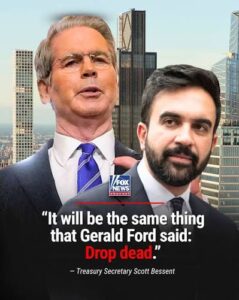
Rather than a handful of minor changes, Mamdani’s agenda is expansive and unapologetically progressive. It includes a combination of social programs, economic reforms, and redistributive measures intended to address New York’s chronic affordability and inequality problems.
• Free Childcare and Transit Services
Mamdani has pledged free citywide childcare for families with young children, arguing it will empower working parents and ease economic strain.
He also proposes free public bus service, framing transportation as a civic right rather than a user fee, particularly important for low-income commuters.
• Rent Freeze for Rent-Stabilized Households
One of Mamdani’s most talked-about economic initiatives is a rent freeze for approximately one million rent-stabilized households. By halting rent increases, he aims to protect residents from escalating housing costs in a city where rents have long outpaced wages.
• City-Run Grocery Stores
In a uniquely municipal twist, Mamdani wants the city to operate grocery stores in high-price neighborhoods, attempting to reduce food costs and expand access in food deserts.
• Taxing the Wealthy and Corporations
To pay for these and other programs, Mamdani has called for higher taxes on the wealthy and corporations:
A 2% surcharge on incomes over $1 million.
Raising the corporate tax rate to about 11.5%, aligning with neighboring New Jersey.
He frames these measures not as punitive but as investments in the long-term economic health of the city.
2. Political Branding: “WOKE Agenda” and Broader Narratives
Opponents, especially on the right and among more centrist voices, have labeled Mamdani’s agenda as radical and “woke.” The term “woke” is often used pejoratively to imply excessive identity politics or radical leftism, and in Mamdani’s case it is wielded to signal policies that critics argue are economically irresponsible.
Critics include conservative commentators, GOP strategists, and some Republican politicians who argue Mamdani represents a threat to traditional economic orthodoxy. This framing has been amplified in certain media environments, tying his agenda to broader national cultural conflicts over governance, capitalism, and American values.
However, supporters argue this label oversimplifies his policies — which they see as pragmatic attempts to fix glaring inequalities in one of the world’s most expensive cities.
3. GOP Strategists and Financial Warnings: Is NYC at Risk?
One of the most forceful critiques of Mamdani comes from Republican strategists warning that his agenda could trigger financial panic and jeopardize New York’s fiscal stability.
• GOP Warning: Financial Panic and Competitive Risks
A notable GOP strategist recently argued that Mamdani’s economic policies could fail the city’s economic apparatus, undermining its role as a global financial capital and leading to broader economic instability. Critics argue that tax hikes, combined with rapid expansion of public services, could scare off business investment and high-income residents, eroding the tax base that funds city services.
This view has been echoed by some conservative commentators who tie the term “woke agenda” to fears of government overreach and fiscal irresponsibility.
• Business Community and Wall Street Reactions
Beyond political rhetoricians, some segments of the business community express economic caution rather than outright panic. While not universally opposed to steps like tax increases, many financial and corporate leaders warn against measures that significantly raise the cost of doing business in New York.
Some fear that higher taxes on corporations and wealthy individuals might prompt capital flight — wealthy individuals relocating and businesses reconsidering New York as an investment destination.
4. Fiscal Feasibility: Can NYC Afford the Agenda?
One of the most debated questions is whether Mamdani’s financial planning rests on realistic assumptions about revenues and expenditures.
• Budget Shortfall and Credit Risks
Recent analyses point to potential fiscal stress scenarios for New York City:
Estimates suggest a possible $12.7–14.2 billion budget shortfall, around 11–12% of the city’s annual budget. If revenues decline, New York’s credit rating could be downgraded, making borrowing more expensive.
While New York has historically navigated financial crises without defaulting — even emerging from near-bond defaults in the 1970s — sustained revenue loss and aggressive spending could heighten pressure on city finances.
• Service Cuts and Federal/State Aid Risks
Under scenarios in which federal and state support shrinks — including potential cuts to education, healthcare, and transit funding — cities like New York may face tough choices about service reductions.
Such concerns form the backbone of warnings that the city could face structural budget stress, though current reporting does not indicate an imminent default or bankruptcy.
• Revenue Versus Expense Debate
Mamdani’s team argues that increased taxes on the wealthy and corporations will generate revenue to fund new programs. Supporters cite estimates indicating new tax measures could yield several billions annually, potentially enough to cover program expansions.
Critics, however, caution that projected revenues frequently fail to materialize if economic activity slows or taxpayers relocate. Municipal finance experts often stress that overly optimistic revenue assumptions can lead to shortfalls.
5. Political Backlash and Cultural Messaging
• National GOP Response
National right-wing figures are vocal in framing Mamdani’s policies as emblematic of broader left-wing dangers. Past warnings from GOP figures — beyond local strategists — have included dramatic claims about social and economic decline if his policies take root. These narratives often connect Mamdani’s platform to wider debates over capitalism, individualism, and national identity.
• Progressive Support and Broader Impact
Meanwhile, many progressives see his election as a watershed moment for the Democratic Party and urban governance, offering a model focused on affordability, worker protections, and inequality. Supporters argue that decades of incrementalism have failed to address the cost-of-living crisis and that bold action is overdue.
6. Broader Impacts: New York, the Democratic Party, and Beyond
Mamdani’s election has reverberated beyond New York City politics:
Within the Democratic Party, his rise highlights a growing schism between progressive and centrist visions.
Nationally, his policies are being watched as a test case for democratic socialist governance in a major metropolitan economy.
And internationally, observers are analyzing New York’s approach against global urban trends in inequality and affordability.
Supporters argue that if successful, his agenda could offer a template for cities confronting similar challenges. Critics argue that a mismanaged agenda could deepen economic stress and strain essential services.
7. Conclusion: Between Vision and Reality
The debate over what critics call the “Mamdani WOKE Agenda” isn’t just about semantics — it’s about how a global city should balance social equity with fiscal sustainability. Mamdani’s vision prioritizes tackling inequality, affordability, and daily economic burdens through bold public investment and redistributive taxation.
Opponents frame these same policies as excessive, risky, or economically naive, warning of financial panic and erosion of New York’s traditional economic strengths. Their concerns — while often amplified for political effect — tap into genuine debates over how cities should finance ambitious social goals without compromising fiscal health.
New York’s future under Mamdani will likely be scrutinized by economists, urban planners, politicians, and everyday residents alike. Whether his agenda results in economic transformation or structural strain remains to be seen — but what is certain is that this moment captures a powerful ideological crossroads in American urban governance.
How useful was this post?
Click on a star to rate it!
Average rating 0 / 5. Vote count: 0
No votes so far! Be the first to rate this post.
About the Author

usa5911.com
Administrator
Hi, I’m Gurdeep Singh, a professional content writer from India with over 3 years of experience in the field. I specialize in covering U.S. politics, delivering timely and engaging content tailored specifically for an American audience. Along with my dedicated team, we track and report on all the latest political trends, news, and in-depth analysis shaping the United States today. Our goal is to provide clear, factual, and compelling content that keeps readers informed and engaged with the ever-changing political landscape.