Ukraine War Update: US Support Tested, Global Stakes Rise, or Turning Point Near
Ukraine supports most of the US peace plan, but the Donbass region and the Zaporizhia nuclear plant remain unresolved. Today we will discuss about Ukraine War Update: US Support Tested, Global Stakes Rise, or Turning Point Near
Ukraine War Update: US Support Tested, Global Stakes Rise, or Turning Point Near
The war in Ukraine has entered a decisive and uncertain phase. After years of relentless fighting, shifting front lines, and mounting global consequences, the conflict now stands at a crossroads. As 2025 draws to a close, questions dominate international discourse: Is the war approaching a turning point? Can diplomacy finally silence the guns? Or is the world witnessing the beginning of a prolonged geopolitical stalemate?
The answers remain unclear. What is certain, however, is that the Ukraine war continues to test U.S. leadership, strain international alliances, and reshape the global order.
A War That Refuses to Cool Down
Despite intensified diplomatic engagement, the battlefield remains active and deadly. Russian missile and drone strikes have continued across Ukrainian cities, targeting energy grids, transportation hubs, and civilian infrastructure. Winter has only worsened the humanitarian situation, with power outages and heating shortages impacting millions.
Frontline fighting persists across eastern and southern regions, where gains and losses occur incrementally at enormous cost. Neither side has achieved a decisive breakthrough, reinforcing the sense of a grinding war of attrition. Casualty figures remain high, making Ukraine one of the world’s deadliest conflicts in recent history.
For civilians, the war is not an abstraction. Families remain displaced, entire neighborhoods lie in ruins, and the psychological toll deepens with every passing month. Reconstruction costs already stretch into the hundreds of billions, even before the war has ended.
Diplomacy Gains Momentum
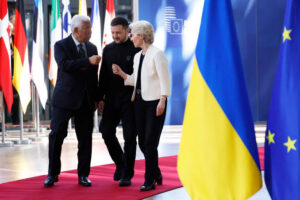
While fighting continues, diplomacy has re-emerged as a central focus. The United States has taken the lead in coordinating renewed peace efforts, working closely with European allies and Ukrainian leadership.
At the heart of these talks is a newly proposed peace framework presented by Ukraine. This comprehensive plan outlines steps toward a ceasefire, long-term security guarantees, reconstruction assistance, and mechanisms to prevent future aggression. The proposal reflects a pragmatic shift—seeking a balance between Ukrainian sovereignty and geopolitical realities.
However, negotiations remain fragile. Territorial disputes, particularly in eastern Ukraine and strategically critical zones, remain unresolved. Ukraine insists on preserving its independence and territorial integrity, while Russia continues to demand concessions that Kyiv views as unacceptable.
US Support Under Pressure
American support has been the backbone of Ukraine’s resistance. Military aid, intelligence sharing, financial assistance, and diplomatic backing from Washington have shaped the course of the war since its early days.
Yet by late 2025, that support faces growing strain. Domestic political divisions, rising costs, and war fatigue have sparked debate within the United States over the future direction of policy. Some officials argue that continued military escalation risks entrenching a permanent conflict, while others warn that reducing support could embolden aggression beyond Ukraine.
Reports of U.S. pressure on Ukraine to engage more actively in peace talks highlight this tension. While Washington remains committed to Ukraine’s security, it is also signaling that diplomatic solutions must be pursued seriously. This balancing act reflects a broader recalibration of U.S. global strategy in an increasingly multipolar world.
Europe Steps Forward
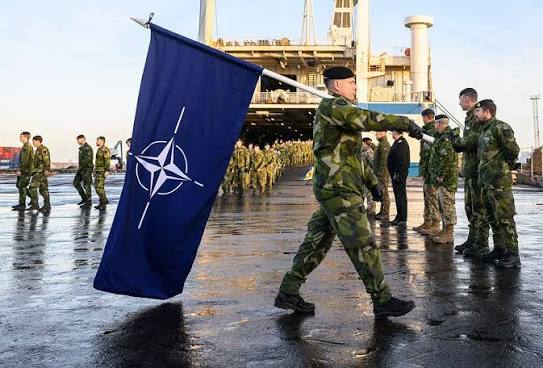
As U.S. debates intensify, European nations have expanded their role. The European Union and individual NATO members have increased financial assistance, defense cooperation, and reconstruction planning.
This shift underscores Europe’s recognition that Ukraine’s fate is inseparable from continental security. A prolonged or unresolved war threatens energy stability, economic growth, and political cohesion across the region.
European leaders have also been instrumental in shaping post-war security concepts, including multinational peacekeeping forces and long-term deterrence measures. These efforts aim to ensure that any settlement is durable, not merely a pause before renewed conflict.
The Global Stakes Are Rising
The Ukraine war extends far beyond Eastern Europe. It has become a defining test of international norms—sovereignty, territorial integrity, and the consequences of aggression.
Countries around the world are watching closely. For some, the conflict represents a struggle between democratic values and authoritarian power. For others, it is a cautionary tale about great-power rivalry and the risks of overdependence on global alliances.
The war has also exposed fractures in the international system. While many nations support Ukraine, others remain neutral or aligned with Russia, reflecting shifting power dynamics and competing strategic interests. This divergence complicates efforts to build unified global pressure for peace.
Security Guarantees: The Core Challenge
One of the most complex issues in negotiations is security guarantees for Ukraine. Kyiv seeks assurances strong enough to prevent future invasions, while avoiding arrangements that provoke further escalation.
Proposals include long-term military partnerships, defensive commitments from Western powers, and international monitoring mechanisms. Some concepts mirror collective defense principles without formal alliance membership, offering protection while navigating political sensitivities.
These discussions reflect a broader evolution in global security thinking—where rigid alliance structures may give way to flexible, tailored guarantees designed for specific conflicts.
Is a Turning Point Near?
Signs of potential change are visible. Diplomatic engagement is more intense than at any time in recent years. Reconstruction planning has begun in earnest. Security frameworks are being debated rather than dismissed.
Yet optimism is tempered by reality. Active combat continues. Deep mistrust between the warring sides persists. Domestic political pressures in key countries influence negotiation strategies. A single escalation or miscalculation could derail fragile progress.
The war now exists in a dual state: advancing toward diplomacy while simultaneously locked in violence.
Possible Paths Forward
Several scenarios could define the months ahead:
1. Negotiated Settlement
A successful diplomatic breakthrough could lead to a ceasefire followed by phased agreements on security, reconstruction, and economic normalization. This outcome would require compromises and sustained international engagement.
2. Prolonged Stalemate
If negotiations stall, the conflict may continue at a lower but persistent intensity. This scenario risks normalizing war, draining resources, and leaving Ukraine in a state of permanent insecurity.
3. Renewed Escalation
Although less likely, escalation remains possible. Expanded strikes, increased foreign involvement, or strategic misjudgments could widen the conflict and destabilize broader regions.
Each path carries profound consequences—not only for Ukraine and Russia, but for global stability.
What This War Means for the World
The Ukraine conflict has reshaped how nations think about defense, alliances, and deterrence. It has accelerated military modernization, altered energy policies, and forced governments to reconsider long-standing assumptions about peace in Europe.
It has also highlighted the limits of power. Military strength alone has not delivered decisive victory. Diplomacy, economics, and public opinion now play equally critical roles.
For future generations, Ukraine may serve as a defining lesson—about resilience, about the costs of war, and about the fragile balance between security and sovereignty.
Conclusion
As 2025 ends, the Ukraine war stands at a pivotal moment. U.S. support is being tested, global stakes are higher than ever, and diplomacy is once again at the forefront. Whether this moment becomes a turning point or simply another chapter in a prolonged struggle will depend on choices made in the coming months.
The path to peace is narrow and uncertain. But the alternative—a world where conflict becomes permanent and norms collapse—is far more dangerous. Ukraine’s future, and the stability of the international order, hang in the balance.
How useful was this post?
Click on a star to rate it!
Average rating 0 / 5. Vote count: 0
No votes so far! Be the first to rate this post.
About the Author

usa5911.com
Administrator
Hi, I’m Gurdeep Singh, a professional content writer from India with over 3 years of experience in the field. I specialize in covering U.S. politics, delivering timely and engaging content tailored specifically for an American audience. Along with my dedicated team, we track and report on all the latest political trends, news, and in-depth analysis shaping the United States today. Our goal is to provide clear, factual, and compelling content that keeps readers informed and engaged with the ever-changing political landscape.