Crime numbers drop : trust gap still wide
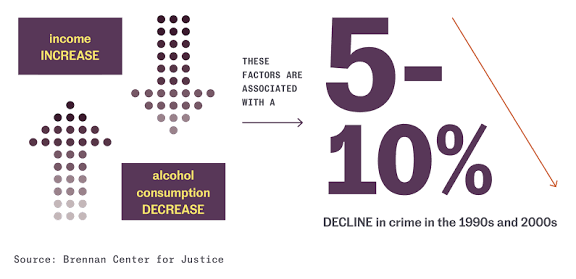
However, in 2023 and 2024, nearly half of the American public believed crime had increased, although police-recorded crime statistics show the opposite trend. Today we will discuss about Crime numbers drop : trust gap still wide
Crime numbers drop : trust gap still wide
Across cities, states, and nations, recent crime statistics tell a surprising story. After years of anxiety fueled by pandemic disruption, economic stress, and social unrest, official crime numbers are falling in many regions. Violent crime, property crime, and even homicide rates have declined across several major urban centers.
Yet for millions of people, daily life does not feel safer. Neighborhood conversations, social media posts, and political debates continue to reflect fear, anger, and mistrust. This contradiction highlights a growing concern: even as crime numbers drop, the trust gap between the public and institutions remains wide.
This article explores why crime is declining, why people still feel unsafe, and what must change to rebuild confidence alongside safer streets.
The Numbers Tell a Positive Story
In recent years, law enforcement agencies and independent data trackers have reported consistent declines in overall crime. Major categories such as homicide, robbery, burglary, and vehicle theft have all shown noticeable reductions in multiple cities.
Urban Crime Declines
Large metropolitan areas that once dominated headlines for violence have seen significant improvements. Police departments report fewer shootings, fewer murders, and fewer serious assaults compared to previous years. Property crimes — including theft and break-ins — have also declined in many areas.
Several mid-sized cities have reported double-digit percentage drops in violent crime, while even traditionally high-crime urban centers are seeing gradual but steady improvements. These reductions are not isolated incidents but part of a broader trend emerging after pandemic-era spikes.
International Trends Reflect Similar Patterns
The decline is not limited to one country. Multiple nations report reductions in serious crimes, including robbery, kidnapping, and violent assaults. In many regions, the justice system has processed fewer criminal cases than in prior years, signaling a real shift in crime volume rather than statistical noise.
Despite regional differences, the overall direction is clear: crime levels are trending downward in many parts of the world.
Why Is Crime Falling?
Crime reduction rarely has a single cause. Experts point to several overlapping factors contributing to the recent declines.
Smarter Policing Strategies
Modern law enforcement has shifted toward data-driven policing, targeted patrols, and focused deterrence strategies. Rather than broad sweeps, agencies increasingly concentrate on high-risk locations and repeat offenders.
Specialized units addressing gun violence, organized theft, and gang activity have helped disrupt criminal networks. Increased coordination between local, state, and federal authorities has also improved response times and intelligence sharing.
Post-Pandemic Stabilization
The years following the pandemic saw dramatic social and economic disruptions. As workplaces reopened, schools resumed normal operations, and mobility stabilized, some crime drivers naturally weakened.
Routine activities — such as commuting, structured schooling, and community engagement — tend to reduce opportunities for crime. As daily life normalized, crime patterns shifted accordingly.
Technology and Surveillance
Advancements in surveillance technology, license-plate readers, and digital forensics have made it harder for criminals to operate unnoticed. The presence of cameras and faster identification tools has increased deterrence and improved case resolution rates.
While technology raises privacy debates, its role in reducing certain crimes is difficult to ignore.
The Trust Gap: Why People Still Feel Unsafe
Despite positive trends, public confidence has not rebounded at the same pace. Surveys and social behavior suggest that many people believe crime is rising — even where official data shows the opposite.
Perception Often Beats Reality
Human perception is shaped more by emotional experience than statistics. A single violent incident shared repeatedly on social media can feel more real than a report showing thousands of crimes prevented.
People tend to judge safety based on:
Personal experiences or stories from friends
Viral videos and headlines
Visible disorder or homelessness
Political rhetoric and media framing
As a result, fear persists even in safer environments.
Media Amplification
Modern news cycles thrive on urgency and shock. Violent crimes attract attention, clicks, and engagement. Even when crime is declining overall, isolated incidents are often presented without context, reinforcing the idea that danger is everywhere.
Social media algorithms further amplify this effect, pushing dramatic content to wider audiences and reinforcing anxiety.
Historical Distrust of Institutions
In many communities, especially marginalized ones, trust in law enforcement has been eroded over decades. Past misconduct, discrimination, or lack of accountability has left lasting scars.
When authorities announce falling crime rates, some residents question:
Whether the data is accurate
Whether crimes are being underreported
Whether enforcement is fair
Without trust, numbers alone fail to reassure.
Underreporting Complicates the Picture
Another challenge is crime underreporting. When people distrust police or fear retaliation, they may choose not to report crimes at all. This can artificially lower official crime statistics while real harm continues unseen.
Underreporting is especially common for:
Domestic violence
Sexual assault
Hate crimes
Non-violent theft
This fuels skepticism and widens the trust gap further.
Political and Social Consequences of the Trust Gap
The disconnect between falling crime and rising fear has real consequences.
Policy Conflicts
Crime perception heavily influences elections and policy decisions. Political leaders may push harsher laws, increased incarceration, or aggressive enforcement even when crime is already declining.
This can divert resources from long-term solutions such as education, housing, and mental health services.
Reduced Community Cooperation
When trust is low, communities are less likely to:
Report suspicious activity
Serve as witnesses
Participate in neighborhood programs
This weakens crime prevention efforts and creates a cycle where distrust undermines progress.
Strain on Law Enforcement
Police officers working in environments where their efforts are doubted may experience lower morale and burnout. This can impact performance and further damage community relations.
Bridging the Gap: What Needs to Change
Reducing crime is only part of public safety. Restoring trust is equally critical.
1. Transparency in Crime Reporting
Authorities must clearly explain how crime data is collected, what it includes, and what it does not. Honest communication about limitations builds credibility.
Publishing raw data, methodology, and independent audits can help reassure skeptical audiences.
2. Community-Centered Policing
Building trust requires relationships, not just enforcement. Officers who engage regularly with residents — attending meetings, walking neighborhoods, and listening — humanize law enforcement and reduce fear.
Communities that feel heard are more likely to cooperate.
3. Accountability and Reform
Swift and visible accountability for misconduct is essential. When wrongdoing is ignored or minimized, trust collapses — regardless of crime trends.
Independent oversight, body cameras, and transparent disciplinary processes can help rebuild confidence.
4. Addressing Root Causes
Crime reduction is strongest when combined with:
Job opportunities
Quality education
Affordable housing
Mental health support
Public safety improves when people feel economically secure and socially supported.
5. Responsible Media Coverage
Media organizations play a crucial role in shaping perception. Balanced reporting that includes context and long-term trends can reduce unnecessary panic while still holding institutions accountable.
The Road Ahead
The current moment presents both opportunity and risk. Falling crime numbers offer proof that improvement is possible. But ignoring public fear risks undoing progress.
Safety is not just about statistics — it is about how safe people feel in their daily lives.
Governments, law enforcement, media, and communities must work together to align reality with perception. Data must be honest, communication must be clear, and trust must be earned — not demanded.
Conclusion
The headline is true: crime numbers are dropping. But the story is incomplete without addressing the widening trust gap.
Until people believe the institutions meant to protect them, declining crime statistics will feel hollow. True public safety requires more than fewer crimes — it requires confidence, fairness, transparency, and shared responsibility.
Only when trust rises alongside safety will societies fully reap the benefits of progress.
How useful was this post?
Click on a star to rate it!
Average rating 0 / 5. Vote count: 0
No votes so far! Be the first to rate this post.
About the Author

usa5911.com
Administrator
Hi, I’m Gurdeep Singh, a professional content writer from India with over 3 years of experience in the field. I specialize in covering U.S. politics, delivering timely and engaging content tailored specifically for an American audience. Along with my dedicated team, we track and report on all the latest political trends, news, and in-depth analysis shaping the United States today. Our goal is to provide clear, factual, and compelling content that keeps readers informed and engaged with the ever-changing political landscape.