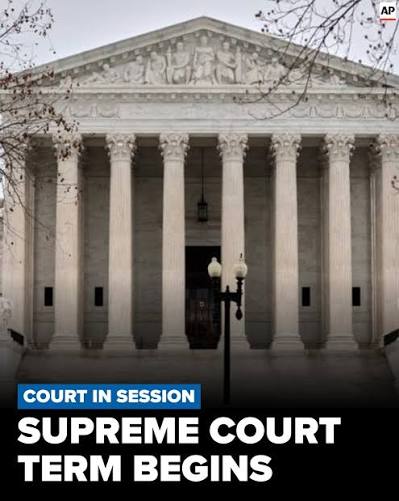
Border crisis heats up : states push back, feds respond
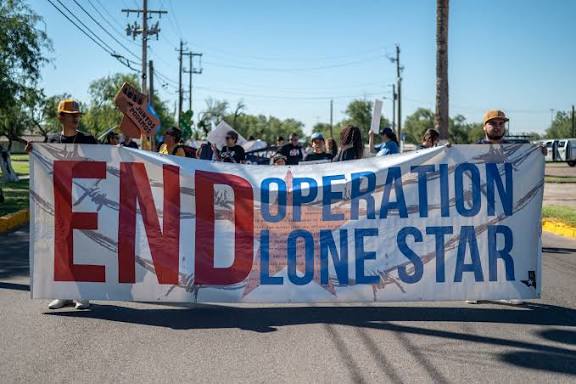
On President Biden’s first day in office, he halted nearly all deportations. He vowed to end the Trump administration’s harsh practices. Today we will discuss about Border crisis heats up : states push back, feds respond
Border crisis heats up : states push back, feds respond
The United States is once again confronting a deepening border crisis that has moved beyond immigration policy into a broader confrontation between state governments and federal authority. As migrant crossings fluctuate and enforcement strategies evolve, states—particularly those closest to the southern border—are taking unprecedented steps to assert control. In response, the federal government is pushing back with policy changes, legal challenges, and expanded enforcement operations.
This clash has turned the border into a battleground not only for migrants seeking opportunity or safety, but also for competing visions of governance, constitutional authority, and national identity.
1. Understanding the Current Border Crisis
The term “border crisis” encompasses more than just migration numbers. It reflects a convergence of pressures: asylum backlogs, strained border facilities, humanitarian concerns, public safety debates, and political polarization.
In recent years, changes in federal immigration policy have altered enforcement priorities and asylum procedures. These shifts coincided with global instability, economic downturns, and climate-related displacement, all contributing to migration toward the U.S. southern border. Border communities have felt the impact most acutely, facing overcrowded shelters, overwhelmed local services, and heightened political tension.
While federal agencies argue that new rules are restoring order, many state leaders claim Washington’s response remains inadequate.
2. Why States Are Pushing Back
Frustration among state governments has grown steadily. Border states argue that they shoulder the practical consequences of migration—housing, healthcare, education, law enforcement—while having limited authority to shape immigration policy.
As a result, several states have begun taking matters into their own hands, asserting that extraordinary circumstances require extraordinary action.
3. Texas at the Center of the Storm
Texas has emerged as the most assertive state in the border debate. State leaders have framed the situation as a crisis threatening public safety and state sovereignty.
Through large-scale state-funded border initiatives, Texas has deployed state police, National Guard units, and physical deterrents along the border. These efforts aim to deter unauthorized crossings, disrupt smuggling networks, and pressure the federal government into tougher enforcement.
Perhaps most controversially, Texas passed legislation allowing state authorities to arrest migrants for illegal entry and order their removal. Supporters argue the law fills a vacuum left by federal inaction. Critics counter that it violates constitutional principles by encroaching on federal authority over immigration.
Legal challenges quickly followed, turning Texas into the focal point of a nationwide debate over states’ rights versus federal supremacy.
4. Other States Take Different Approaches
Not all states have followed Texas’s aggressive model, but tensions are widespread.
Some states have resisted federal enforcement actions conducted without coordination, arguing that sudden raids destabilize communities and undermine trust in law enforcement. Others have rejected claims of a crisis altogether, accusing political leaders of exaggeration for electoral gain.
Northern states have also entered the conversation, disputing narratives that migration pressures threaten their borders. These disagreements highlight how immigration impacts regions differently, shaping varied political responses.
5. Federal Government Responds
Facing mounting pressure, the federal government has responded on several fronts: enforcement, policy reform, and the courts.
Expanded Enforcement Operations
Federal immigration agencies have increased arrests, detentions, and removals, particularly targeting migrants with criminal records or recent arrivals. Large-scale operations in major cities have signaled a renewed emphasis on enforcement, even as officials maintain that humanitarian protections remain in place.
The administration has also promoted voluntary departure programs, offering logistical and financial assistance to migrants willing to leave the country on their own. Officials argue this approach reduces strain on detention facilities and speeds up removals.
Policy Adjustments
At the policy level, federal authorities have tightened asylum rules, limiting eligibility for migrants who enter outside official ports of entry. New requirements emphasize legal pathways and faster processing, aiming to discourage irregular crossings while maintaining compliance with international obligations.
At the same time, investments in border technology, personnel, and processing capacity are intended to restore operational control.
Legal Pushback Against States
Perhaps the most consequential federal response has been legal. The Department of Justice has challenged state laws that attempt to independently enforce immigration rules, arguing that such measures conflict with federal law and constitutional precedent.
These lawsuits underscore a long-standing principle: while states may assist with enforcement, they cannot set immigration policy or conduct deportations on their own.
6. Constitutional Clash: Who Controls Immigration?
At the heart of the crisis lies a fundamental constitutional question.
The U.S. Constitution grants the federal government authority over immigration and foreign affairs. Courts have historically upheld this federal supremacy, limiting states’ ability to act independently.
However, state leaders argue that when federal enforcement failse fails, states have a duty to protect their citizens. Some frame mass migration as an emergency justifying extraordinary state action.
The courts now play a decisive role in defining where that line is drawn. Rulings on current legal challenges could reshape the balance of power between states and Washington for decades.
7. Public Reaction and Political Fallout
The border crisis has ignited public activism across the country.
Protests and Advocacy
Large demonstrations have erupted in response to federal enforcement raids and state-level crackdowns. Activists warn that aggressive enforcement harms families, encourages racial profiling, and violates civil rights.
Legal advocacy groups have filed lawsuits challenging both state and federal actions, focusing on due process, asylum access, and constitutional protections.
Deepening Polarization
Immigration has become one of the most polarizing issues in American politics. For some voters, border security symbolizes law and order. For others, it represents compassion, inclusion, and America’s immigrant heritage.
Political leaders increasingly use border policy as a campaign issue, hardening partisan divides and complicating efforts at compromise.
8. Economic and Community Impact
Beyond politics, the border crisis has tangible economic and social effects.
Labor markets: Enforcement crackdowns can disrupt industries that rely heavily on migrant labor, particularly agriculture, construction, and hospitality.
Local budgets: States and cities spend billions on shelters, healthcare, policing, and legal services related to migration.
Community trust: Fear of enforcement can discourage migrants from reporting crimes or seeking medical care, affecting public safety and health.
These consequences reinforce arguments that immigration policy must balance enforcement with economic and social realities.
9. The Human Dimension
Lost amid policy debates are the migrants themselves.
Many fleeing violence, poverty, or instability face dangerous journeys, exploitation, and uncertainty. Families are often separated, children endure prolonged detention or displacement, and asylum seekers wait years for legal resolution.
Humanitarian organizations warn that deterrence-focused policies alone cannot address the root causes driving migration.
10. What Lies Ahead
The border crisis is far from resolved. Key developments to watch include:
Court decisions that will define limits on state action
Federal policy changes responding to political pressure and migration trends
State elections that may bring new leadership and strategies
International cooperation addressing root causes of migration
Without comprehensive reform, experts warn that cycles of crisis and confrontation will continue.
Conclusion
The escalating border crisis reveals a nation grappling with competing priorities: security and humanity, federal authority and state autonomy, enforcement and reform.
As states push back and the federal government responds, the struggle over the border has become a defining test of American governance. The outcome will shape immigration policy, constitutional law, and national identity long after the current crisis fades from headlines.
One thing is clear: the border is no longer just a line on a map—it is a mirror reflecting America’s deepest political and moral divides.
How useful was this post?
Click on a star to rate it!
Average rating 0 / 5. Vote count: 0
No votes so far! Be the first to rate this post.
About the Author

usa5911.com
Administrator
Hi, I’m Gurdeep Singh, a professional content writer from India with over 3 years of experience in the field. I specialize in covering U.S. politics, delivering timely and engaging content tailored specifically for an American audience. Along with my dedicated team, we track and report on all the latest political trends, news, and in-depth analysis shaping the United States today. Our goal is to provide clear, factual, and compelling content that keeps readers informed and engaged with the ever-changing political landscape.