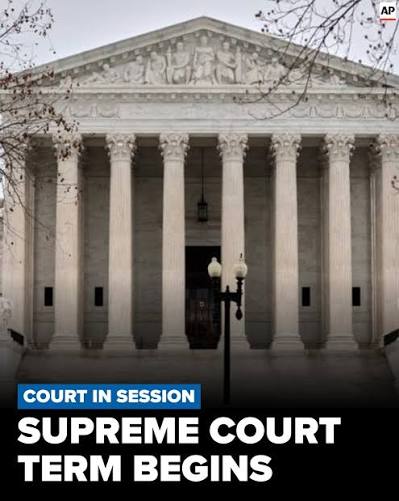
Epstein Case Backfire : Missing Names , Washington in Panic Mode
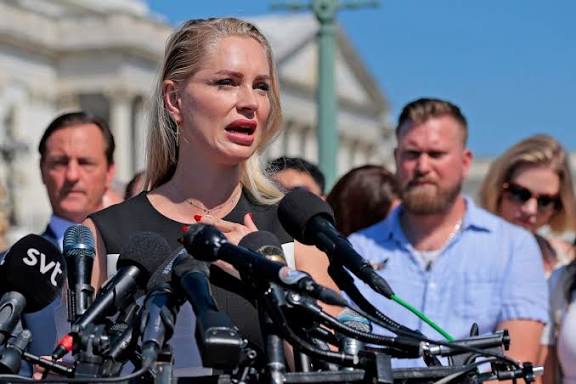
Former Treasury Secretary Larry Summers (left), former White House counsel Katherine Rumler (center) and journalist Michael Wolff. Today we will discuss about Epstein Case Backfire : Missing Names , Washington in Panic Mode
Epstein Case Backfire : Missing Names , Washington in Panic Mode
The Jeffrey Epstein case, long shrouded in secrecy, speculation, and outrage, has entered one of its most controversial phases yet. What was supposed to be a landmark moment of transparency has instead ignited political chaos, public distrust, and bipartisan anger across Washington. The partial release of Epstein-related files has backfired dramatically, leaving critical names missing, records incomplete, and the U.S. political establishment scrambling to contain the fallout.
Rather than closing the chapter on one of the darkest scandals in modern American history, the latest disclosures have reopened wounds, deepened suspicion, and pushed Washington into what many insiders now describe as “panic mode.”
A Promised Reckoning That Never Fully Arrived
For years, pressure had been building on the federal government to release all unclassified materials connected to Jeffrey Epstein. Lawmakers, activists, and the public demanded answers: Who enabled him? Who protected him? And who else might have been involved?
In response, Congress passed legislation mandating the disclosure of Epstein-related records held by the Department of Justice and federal agencies. The goal was clear — sunlight would finally expose the truth and restore public confidence.
But when the deadline arrived, the release fell far short of expectations.
Instead of a complete and transparent archive, the public received a fragmented collection of documents marked by heavy redactions, missing attachments, and entire categories of records absent altogether. The result was not closure, but confusion — and anger.
The Mystery of the Missing Names
The most explosive element of the release was not what it revealed, but what it failed to reveal.
The Elusive “Client List”
For years, public discourse surrounding Epstein revolved around the idea of a secret “client list” — a rumored roster of powerful individuals allegedly connected to his trafficking operation. Many believed that once the files were released, this list would finally come to light.
Instead, no such document appeared.
Federal officials reiterated their long-standing position that no verified “client list” exists in government records. According to investigators, Epstein kept extensive contact lists and flight logs, but none constituted a definitive list proving criminal involvement by others.
This explanation has done little to quell suspicion. To critics, the absence of names feels less like coincidence and more like concealment. The lack of definitive answers has fueled speculation, conspiracy theories, and accusations of institutional protection for elites.
Disappearing Files Raise Alarm
Adding to the controversy, observers noticed that several files initially accessible during the release later vanished from public databases without explanation. These missing materials reportedly included photographs, documents, and supplementary records that had been available, if only briefly.
The unexplained disappearance of files has become a lightning rod for criticism. Whether caused by legal review, technical error, or deliberate removal, the lack of transparency around their absence has amplified public mistrust.
For many Americans, the question is no longer whether names were redacted — but whether some records were never meant to be seen at all.
Key Internal Records Still Withheld
Perhaps most troubling to legal experts and historians is the continued absence of internal Justice Department and FBI records. These include investigative memos, prosecutorial deliberations, and interview summaries that could shed light on how Epstein was handled by the system — especially during his controversial plea deal years earlier.
Without these documents, the public is left with an incomplete narrative, unable to fully assess whether systemic failures, negligence, or favoritism played a role in Epstein’s ability to evade justice for so long.
Washington Reacts: Outrage, Blame, and Damage Control
The reaction inside Washington was swift and fierce — and notably bipartisan.
Lawmakers Turn on the DOJ
Members of Congress from both parties accused the Department of Justice of undermining the spirit of the law. Several lawmakers who supported the transparency measure expressed shock and frustration at what they described as “selective disclosure.”
Some have threatened subpoenas, contempt proceedings, or further legislative action to force fuller compliance. Others have openly suggested that senior officials should be held accountable for failing to deliver a complete release.
The rare bipartisan unity reflects just how politically toxic the Epstein issue has become. Few lawmakers want to appear complacent — or worse, complicit — in what voters increasingly see as a cover-up.
The Executive Branch on the Defensive
Justice Department officials have defended their actions by citing legal obligations, privacy protections, and the need to safeguard victims. According to DOJ statements, thousands of individuals connected to the case were victims whose identities must remain protected at all costs.
While victim protection is widely supported, critics argue that this justification has been applied too broadly, shielding not only victims but also potential wrongdoers from scrutiny.
The administration’s cautious messaging has done little to stem the backlash. In fact, the perception of evasiveness has intensified calls for independent oversight.
Public Reaction: Distrust Reaches a Boiling Point
Beyond Washington, the reaction has been even more visceral.
For many Americans, the Epstein case symbolizes a deeper fear — that justice operates differently for the powerful. The incomplete release reinforced long-held beliefs that elite networks can manipulate institutions to avoid accountability.
Social media platforms erupted with anger, speculation, and demands for further disclosure. Commentators across the political spectrum accused the government of betraying public trust.
Victim advocacy groups, while supportive of protecting survivor identities, also expressed frustration at the lack of clarity. Many argue that true justice requires full transparency about how Epstein was able to operate for decades with apparent impunity.
Why This Backfire Matters
The fallout from the Epstein files is not just about one criminal case. It exposes broader fault lines in American governance.
1. A Crisis of Transparency
When the government promises openness and delivers partial truth, the damage can be worse than silence. The Epstein release has reinforced skepticism about whether transparency laws are effective — or merely symbolic.
2. Political Weaponization of Uncertainty
The absence of names has become a political Rorschach test. Different factions project their own assumptions onto the gaps, accusing rivals of hiding allies or manipulating the process for advantage.
This weaponization of uncertainty has deepened polarization and turned an already sensitive issue into a political minefield.
3. A Broken Historical Record
For journalists, researchers, and future investigators, incomplete files pose a serious problem. History relies on documentation, and gaps in the record distort understanding.
Without full access to investigative materials, the Epstein case risks becoming a permanent mystery rather than a cautionary tale with clear lessons.
What Comes Next
Despite the backlash, the story is far from over.
Further Releases Expected
Officials have indicated that additional documents may still be released in phases. However, without firm timelines or guarantees, skepticism remains high.
Legal Challenges Ahead
Advocacy groups and legal organizations are preparing lawsuits aimed at forcing broader disclosure. These efforts may take months or years, but they signal that public pressure will not fade quietly.
Continued Investigative Scrutiny
Media outlets and independent investigators continue to analyze the released materials, cross-referencing them with existing records. Even without explicit names, patterns and connections may still emerge.
Conclusion
The Epstein case was supposed to end with accountability and clarity. Instead, it has reignited fear, anger, and suspicion at the highest levels of American politics.
Missing names have become symbols — not just of redaction, but of unresolved injustice. Washington’s panic is not merely about political fallout; it reflects a deeper anxiety about credibility, trust, and the limits of institutional transparency.
Until the full truth is known — or convincingly proven unobtainable — the Epstein case will remain a shadow over American public life, a reminder that unanswered questions can be as powerful as confirmed facts.
How useful was this post?
Click on a star to rate it!
Average rating 0 / 5. Vote count: 0
No votes so far! Be the first to rate this post.
About the Author

usa5911.com
Administrator
Hi, I’m Gurdeep Singh, a professional content writer from India with over 3 years of experience in the field. I specialize in covering U.S. politics, delivering timely and engaging content tailored specifically for an American audience. Along with my dedicated team, we track and report on all the latest political trends, news, and in-depth analysis shaping the United States today. Our goal is to provide clear, factual, and compelling content that keeps readers informed and engaged with the ever-changing political landscape.