America on Edge : War , Politics , Economy Collide
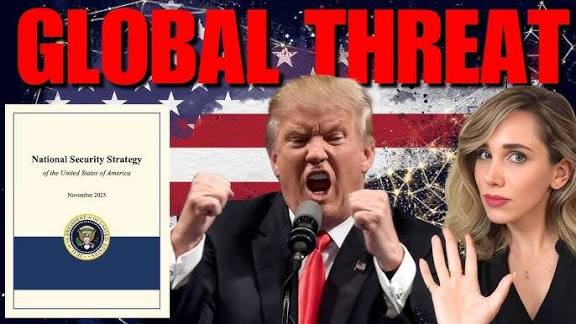
Today, American policymakers are challenged to recognize that fundamental change in world politics and utilize America’s unmatched military. Today we will discuss about America on Edge : War , Politics , Economy Collide
America on Edge : War , Politics , Economy Collide
The United States stands at a pivotal juncture in 2025. A confluence of geopolitical tensions, domestic political polarization, and economic headwinds is pushing the nation toward an era of uncertainty. As war zones flare abroad and political battles intensify at home — the economy feels the reverberations. This collision of forces has brought the U.S. to an unusual and potentially volatile moment in its history.
In this in‑depth analysis, we explore how war, politics, and economic conditions intersect to shape America’s present and future — and why the nation appears increasingly “on edge.”
1. Global Geopolitical Tensions: A New Era of Conflict
Multipolar Struggles and Rising Conflict Zones
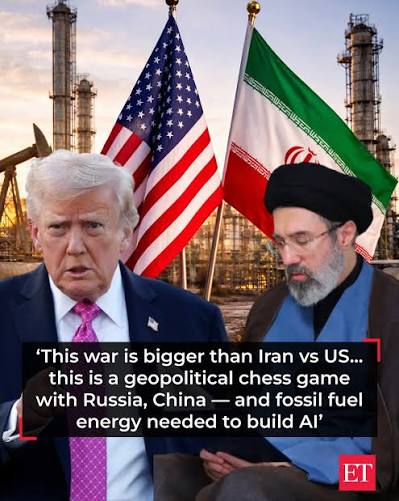
The global landscape is marked by sustained geopolitical instability. Multiple conflicts — from Russia’s ongoing invasion of Ukraine to conflicts in the Middle East — continue to strain diplomatic and economic systems around the world. These tensions aren’t remote problems; they directly impact U.S. foreign policy, trade, energy markets, and financial systems.
Recent surveys indicate that Middle East tensions are viewed as a greater risk to U.S. financial stability than inflation, with nearly half of respondents citing conflict escalation as a significant hazard to economic prospects. Disruptions in energy supplies, commodity prices, and financial markets are potential channels through which geopolitics could strain the U.S. economy.
Additionally, global power dynamics — especially U.S. relations with China — loom large. The so‑called “Thucydides Trap” suggests that war becomes more likely when an emerging power threatens an established hegemon. While scholarly opinion varies, the concept underscores the risks inherent in U.S.–China strategic competition.
U.S. Military Engagements and Strategic Posturing
Recent events reveal how military action continues to be a tool of American foreign policy. For instance, the U.S. military recently carried out a lethal strike on a vessel in the Pacific, causing casualties and signaling a hardline approach to regional security and anti‑terrorism measures.
Such actions, while tactical, have strategic implications: they can disrupt diplomatic channels, affect perceptions of American power, and impose costs on relations with other nations. In a world where conflict zones are interconnected and risk contagion, these decisions carry weight beyond their immediate theaters.
2. Political Fault Lines: Polarization and Governance Stress
Domestic Political Polarization Intensifies
America’s political landscape today is deeply fragmented. Ideological divisions have widened across cultural, economic, and institutional dimensions. Major decisions — from judicial appointments to economic policy — are being contested not just in Congress, but in the public square and media arenas.
Such polarization intensifies legislative gridlock. The U.S. Congress has struggled to produce stable, bipartisan outcomes on critical issues like funding, taxation, healthcare, and national security. Legislative impasses threaten effective governance and erode public trust — adding to the sense that the nation is politically unsteady.
Partisan Battles Over Economic Policy
Economic policy — once among the few areas of broad consensus — is now a battleground. Taxation, Federal Reserve oversight, and responses to inflation and unemployment have all become politically charged.
President Donald Trump and his administration have increasingly weighed in on Federal Reserve rate policy, urging deeper interest rate cuts amid economic slowdown pressures. Meanwhile, critics within the Federal Reserve and economists warn that monetary policy could be distorted by political influence.
Domestic politics also intersect sharply with foreign trade policy. For example, steep tariffs implemented on multiple trading partners, including India, have sparked diplomatic friction and economic disruption. In 2025, trade disputes escalated so sharply that U.S.–India relations entered a diplomatic and trade crisis, with tariffs reaching historically high levels.
These political decisions — rooted in ideology and electoral strategy — have economic consequences that ripple outward, affecting investors, markets, and everyday Americans.
3. Economic Headwinds: Slow Growth and High Risk
Employment and Inflation Trends
Despite some job growth, recent economic data paints a mixed picture. The U.S. unemployment rate has climbed to 4.6%, the highest in four years, signaling potential labor market softness. While private sector hiring continues in some sectors, losses in government jobs and demographic shifts (such as teenage unemployment increases) underscore underlying weaknesses.
Inflation — the persistent economic bogeyman of the post‑COVID era — remains above the Federal Reserve’s preferred target, despite easing from its pandemic peak. As of late 2025, inflation still outpaced expectations, challenging narratives of rapid price stabilization.
This inflation persistence coupled with rising unemployment creates a classic economic dilemma: stagflation risk — slow growth paired with persistent price pressures.
Trade Wars and Slow Growth Projections
Trade tensions with major partners, particularly China and India, have dampened economic sentiment. Economists warn that escalating tariffs may shave significant percentages off gross domestic product (GDP) growth, reduce export volumes, and cut into investment — slowing the broader economy and upping the odds of recession.
Trade wars also reshape global supply chains and labor markets. Research suggests that heightened tariffs lead to broad job losses both domestically and internationally, with low‑skill and informal workers bearing the brunt of these shifts.
Financial Markets on Alert
Markets reflect these strains. Heightened geopolitical risks — from ongoing wars to trade disputes — have increased volatility and uncertainty. While major equity indices remain relatively resilient, investors are beginning to price in geopolitical risk premiums that could destabilize capital flows.
This cautious market sentiment, combined with potential economic downturn pressures, contributes to a nervous economic environment, reinforcing the perception that the American economy is “on edge.”
4. The Intersections: How War, Politics and Economy Feed Each Other
Conflict and the Economy
Military engagements, geopolitical instability, and defense commitments have economic consequences. Countries in conflict zones often face disrupted trade, damaged infrastructure, and investor aversion — impacts that ripple into global commodity and financial markets.
For the U.S., higher defense spending and conflict‑related expenditures require fiscal trade‑offs. Long‑term military commitments can crowd out investments in critical domestic infrastructure and social programs. Questions of sustainability arise when war outlays divert attention and resources from long‑term economic challenges — like infrastructure decay or social safety nets.
Furthermore, geopolitical tensions can directly affect economic stability. Surveyed financial experts note that geopolitical risk — particularly heightened conflict in the Middle East — can pose near‑term risks to U.S. financial stability.
Politics Shapes Economic Reality
Political polarization affects investor confidence and policy credibility. Frequent battles over debt ceilings, budget priorities, and fiscal policy inject uncertainty into the economic environment. Disagreements over taxation, defense spending, and social investments can hamper timely policy responses when economic perturbations occur.
Political gridlock also undermines long‑term economic planning. When the legislative branch is unable to chart a clear direction, government agencies and private sector actors alike face heightened risk in decision‑making.
Economic Stress Influences Politics and Security
Economic distress within a population — including unemployment, inflation, and wage stagnation — fuels political discontent. In turn, that dissatisfaction can drive electoral outcomes, fracture traditional party alignments, and spur protest movements.
Moreover, economic decline or stagnation can limit the country’s ability to project power abroad. Nations with recessionary pressures or shrinking tax bases often struggle to sustain costly military operations or foreign aid commitments, feeding strategic vulnerabilities.
5. What Lies Ahead? Potential Scenarios
Given the complex interplay of war, politics, and economic pressure, several broad scenarios could unfold:
a. Managed Adaptation
In this scenario, America navigates geopolitical tensions judiciously, balancing military engagement with productive diplomacy. Domestic politics stabilize enough to forge consensus on economic policy. Inflation and unemployment gradually moderate, and trade relationships find a sustainable footing.
b. Escalation and Entrenchment
Here, geopolitical rivalries escalate, further destabilizing markets and global alliances. Domestic politics veer toward sharper polarization, breeding legislative paralysis. This combination may trigger prolonged economic stagnation — creating a feedback loop of instability.
c. Strategic Recalibration
In this path, the U.S. shifts strategy — investing in multilateral cooperation, rebalancing defense commitments, and prioritizing economic innovation (e.g., technology, infrastructure, workforce development). Such recalibration may restore confidence and reduce pressures from both domestic and global arenas.
Each scenario involves trade‑offs and depends on political leadership, institutional resilience, global conditions, and the ability of policymakers to respond to ongoing and emerging risks.
Conclusion: America’s Edge Is Multifaceted
The idea that America is “on edge” isn’t metaphorical; it reflects real pressures at the intersection of war, politics, and economy. From foreign battlefields to Washington’s corridors of power and Main Street’s economic pulse, uncertainty and tension are pervasive.
What makes this moment particularly acute is not just one of these pressures — but the way they collide. War abroad raises economic risk; political polarization weakens policy responses; economic stress fuels political tension — and the cycle continues.
Understanding these dynamics is essential to grasping not just where America is today, but where it might be heading — and how the world watches as its largest economy navigates the storm.
How useful was this post?
Click on a star to rate it!
Average rating 0 / 5. Vote count: 0
No votes so far! Be the first to rate this post.
About the Author

usa5911.com
Administrator
Hi, I’m Gurdeep Singh, a professional content writer from India with over 3 years of experience in the field. I specialize in covering U.S. politics, delivering timely and engaging content tailored specifically for an American audience. Along with my dedicated team, we track and report on all the latest political trends, news, and in-depth analysis shaping the United States today. Our goal is to provide clear, factual, and compelling content that keeps readers informed and engaged with the ever-changing political landscape.